




Construction Aluminum Profiles for Outdoor Structures
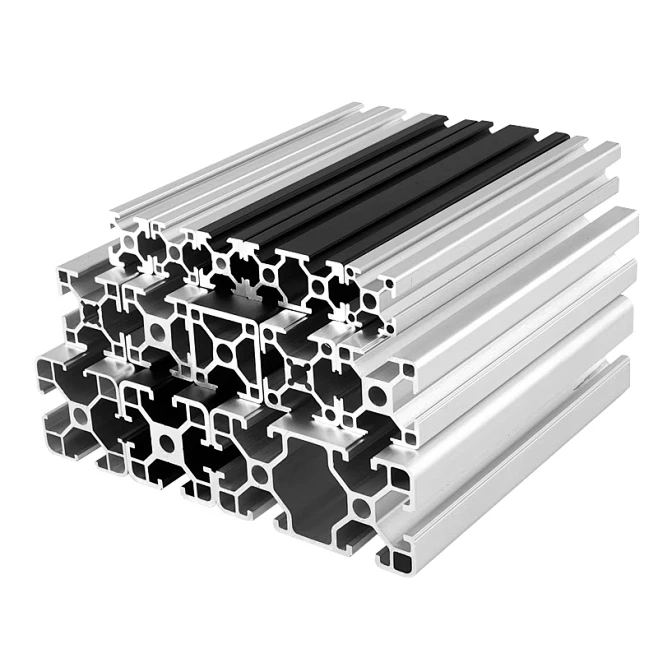
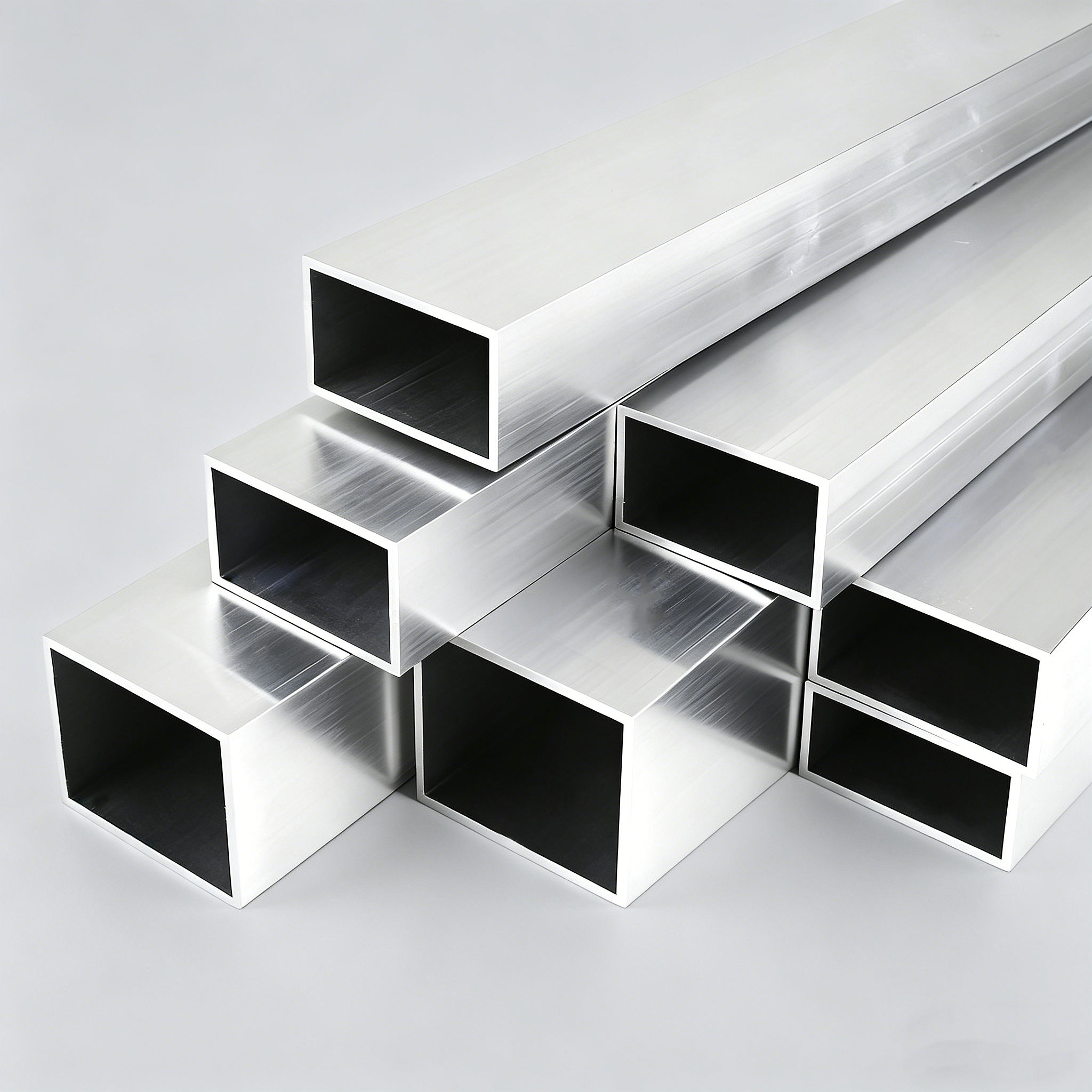
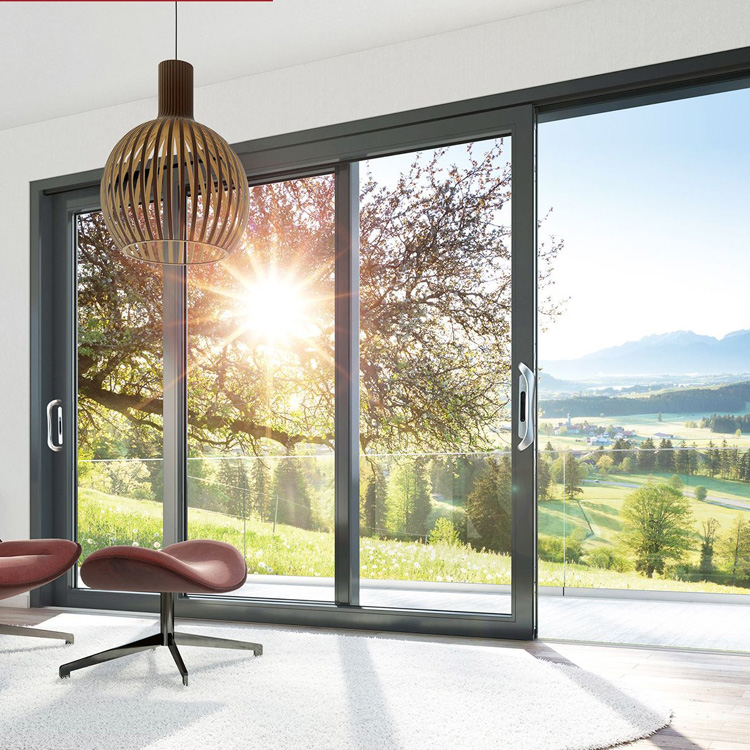
In the realm of modern architecture and infrastructure, the significance of aluminum profiles cannot be overstated. Specifically, construction aluminum profiles designed for outdoor structures have emerged as a cornerstone of engineering excellence. These profiles not only enhance the aesthetic appeal of buildings and outdoor installations but also provide unparalleled durability and functionality.
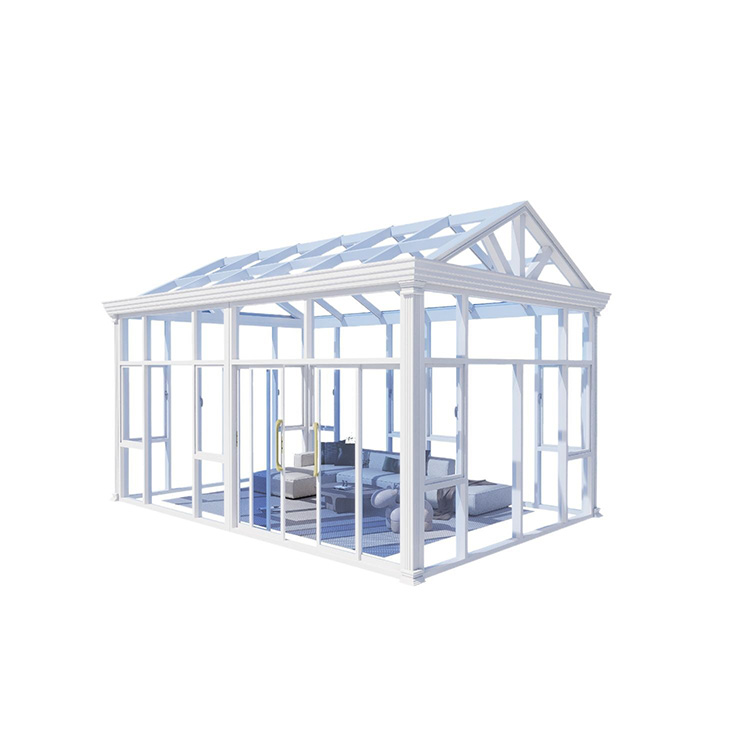
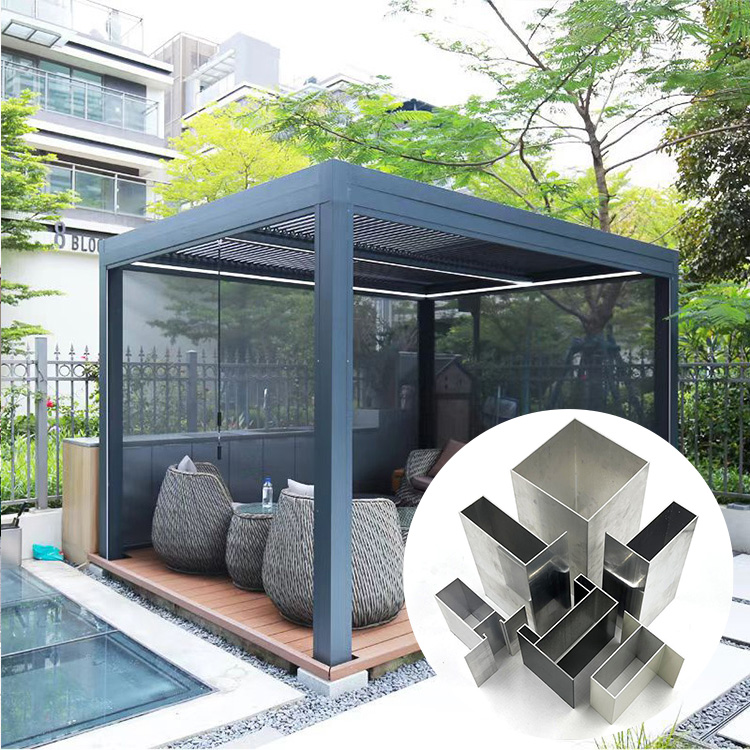
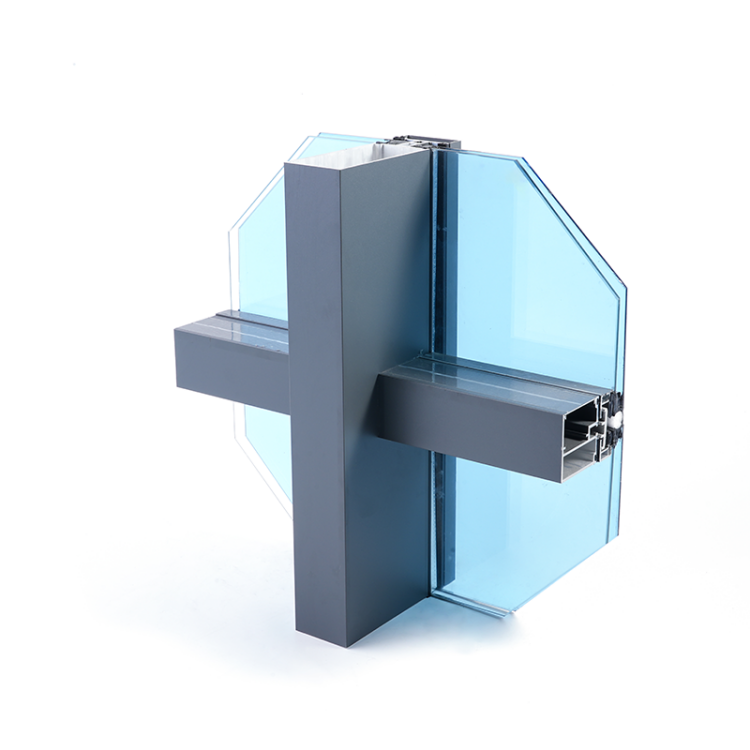
Aluminum profiles are lightweight yet robust, making them an ideal choice for various outdoor applications. From pergolas and canopies to railings and facades, these profiles offer versatility that meets the demands of contemporary design. Their resistance to corrosion ensures that outdoor structures maintain their integrity and appearance over time, even when exposed to harsh weather conditions.
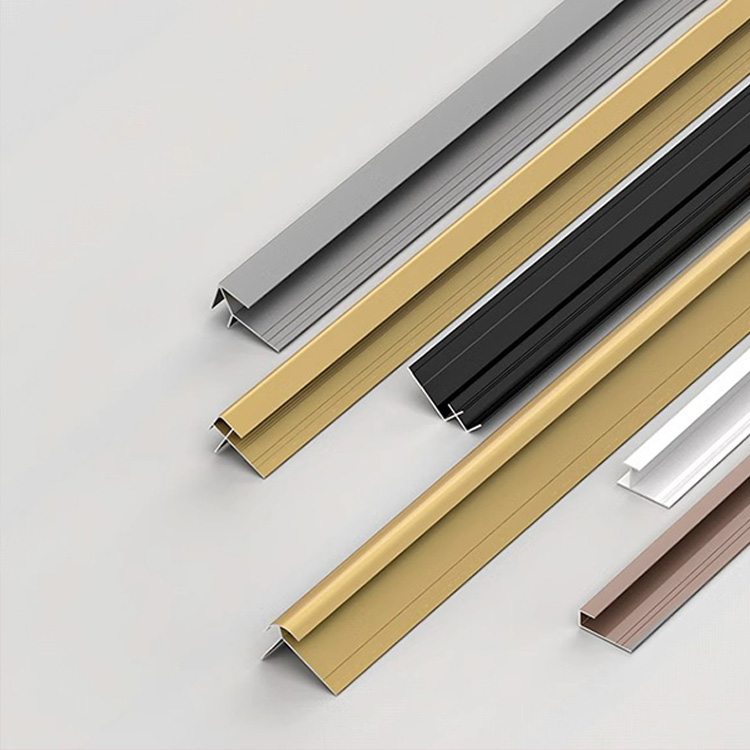
One of the standout features of aluminum profiles is their ability to be customized. Architects and engineers can tailor these profiles to fit specific design requirements, allowing for innovative solutions that push the boundaries of traditional construction. This adaptability is particularly beneficial in urban environments where space is limited, and creative design solutions are essential.
Moreover, the sustainability aspect of aluminum cannot be overlooked. As a recyclable material, aluminum profiles contribute to environmentally friendly construction practices. By choosing aluminum for outdoor structures, builders can reduce their carbon footprint while still achieving high-performance results.
In conclusion, construction aluminum profiles for outdoor structures represent a fusion of engineering excellence and modern design. Their lightweight nature, durability, and customization options make them a preferred choice for architects and builders alike. As the demand for innovative and sustainable building solutions continues to grow, aluminum profiles will undoubtedly play a pivotal role in shaping the future of architecture and infrastructure. Embracing these materials not only enhances the functionality of outdoor spaces but also elevates the overall aesthetic of modern living environments.