Picking an aluminum profile extrusion supplier in 2026 isn’t just about scratching the surface with price comparisons. You’ve got to find a partner who actually proves they’re in control of their process, can deliver consistently, and cares about environmental responsibility. It’s about more than just a quote—it’s about trust.
Industry numbers really highlight why this matters. The US Geological Survey said that in 2024, the total global production of primary aluminum hit around 72 million metric tons. That’s a massive scale, which means plenty of opportunities, but also plenty of risks—like uneven quality or capacity hiccups. On the bright side, recycled aluminum is a big deal, using up to 95% less energy than primary aluminum, according to the International Aluminium Institute. So, paying attention to a supplier’s recycling practices, energy sources, and how they trace their scrap is actually pretty crucial.
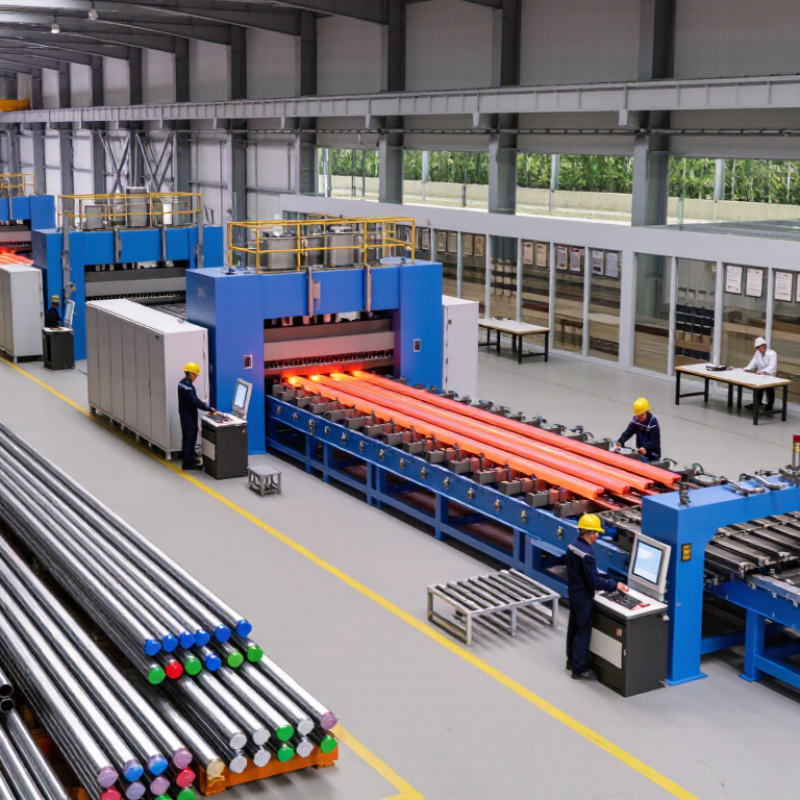
Look into their factory – it should tell a clear story. Is their billet storage properly labeled with different alloys? Do they have modern extrusion presses and controlled aging ovens? Check their inspection records, ideally right there on the production floor. Don’t just settle for a shiny showroom; ask for dimensional reports, surface finish standards, alloy certificates, and realistic delivery timelines. These details matter.
Also, it’s smart to compare the supplier’s claims with independent industry reports. Sources like Grand View Research or MarketsandMarkets often highlight how construction, transportation, electronics, and renewable energy are big drivers for aluminum demand. Each of these sectors has different requirements when it comes to tolerances, coatings, strength, and packaging. So, understanding these differences helps in choosing the right partner.
No supplier is perfect, though. Maybe one offers top-notch extrusion quality but struggles with communication or exports. Another might be quick on delivery but drop the ball on consistent anodizing. That’s where your experience as a buyer comes in—test a small batch first, review their corrective actions, and inspect how they package things before you commit long-term. The best choice in 2026 isn’t necessarily the cheapest. It’s about finding a partner who’s honest about their weaknesses, works on improving, and can deliver reliable profiles even when the heat is on. Trust me, that’s what really counts.
How to Choose Aluminum Profile Extrusion Suppliers in 2026?
A reliable supplier begins with a precise extrusion requirement, not a vague profile drawing. ASTM B221 covers extruded aluminum bars, rods, wire, profiles, and tubes. EN 755 provides related requirements for extruded products, including mechanical properties and dimensional tolerances. Your inquiry should state the alloy, temper, cross-section, length, surface condition, and intended application. Small details matter.
Ask suppliers to identify the exact ASTM B221 or EN 755 sections used for production and inspection. For EN 755, confirm the relevant parts for technical conditions, mechanical properties, and profile tolerances. Request mill test certificates, chemical analysis, tensile results, and dimensional inspection records. A competent supplier should explain sampling methods and test frequency clearly. Avoid accepting “meets standard” without supporting data.
Inspect sample profiles before approving regular production. Measure wall thickness, straightness, twist, corner radius, and cut length with calibrated equipment. Check whether the proposed tolerance suits your assembly process, because standard tolerances may still cause fitting problems. I have seen attractive samples fail after anodizing or machining. That risk deserves attention. Ask how the supplier controls die wear, heat treatment, and batch traceability. A certificate can look complete yet hide weak process control. Review the evidence, challenge unclear claims, and keep the specification practical. Perfect paperwork is not always perfect aluminum.
How to Choose Aluminum Profile Extrusion Suppliers in 2026?
Global aluminum demand is projected to reach 119.5 Mt by 2030, according to recent CRU market analysis. This forecast changes how buyers should evaluate an Aluminum Extrusion Profile supplier. A small plant may offer attractive prices, but capacity can collapse during construction, solar, and electric-vehicle demand peaks. Ask for monthly billet consumption, press tonnage, die inventory, and verified delivery records. Numbers matter more than polished presentations.
The International Aluminium Institute expects strong demand growth through 2030, especially in transport, renewable energy, and construction. A capable supplier should show how it manages these sectors without sacrificing alloy consistency. Check whether laboratory staff test tensile strength, hardness, and dimensional tolerance on every production batch. Request certificates linked to actual heat numbers. Walk through the billet yard if possible. It reveals storage discipline quickly.
Capacity alone is not enough. Inspect extrusion presses, aging ovens, cutting equipment, and surface-treatment lines. Review corrective-action reports, not only successful samples. In my experience, a supplier with clear failure records often controls risk better than one claiming perfection. That judgment is imperfect. Still, it deserves attention. Also compare backup dies, recycled-content controls, energy data, and realistic lead times. The supplier should explain what happens when orders exceed its normal weekly output.
A reliable supplier must prove more than production capacity. Ask for alloy certificates, temper records, and batch traceability before approving an Aluminium Profile Extrusion order. For example, 6063-T5 and 6063-T6 can show different strength and forming behavior. Confirm the required standard, chemical composition, hardness, and tensile results. A polished sample can mislead. Production consistency matters more than appearance.
Tips: Request a recent inspection report from the same alloy and temper. Check dimensional tolerance with calibrated calipers, gauges, or a coordinate measuring machine. Review wall thickness, straightness, twisting, and cut-length accuracy. Also inspect surface-finish controls. Anodized profiles should have defined coating thickness, color limits, gloss requirements, and adhesion tests. Powder-coated profiles need curing records and scratch or impact checks. Ask how operators handle visible marks after extrusion.
Do not accept vague promises such as “premium finish.” Require approved samples, inspection plans, and clear rejection criteria. Photos are useful, but they cannot replace physical testing.
One overlooked detail is packaging; thin separators can prevent scratches during transport. No supplier is perfect. The important question is how quickly defects are identified, documented, and corrected. Review nonconformance records, corrective actions, and the final inspection process before placing a large order.
How to Choose Aluminum Profile Extrusion Suppliers in 2026?
A supplier’s ISO 9001 certificate is only the entry point. The ISO Survey 2023 recorded 1,265,216 ISO 9001 certificates worldwide, yet certificates alone cannot prove stable extrusion performance. Ask to review the latest audit scope, process map, internal-audit findings, and management-review actions. Confirm that extrusion, heat treatment, cutting, and packaging are covered. An impressive certificate can still hide weak shop-floor controls.
Traceability should follow each profile from billet to shipment. During a factory visit, request one random batch record. It should show billet heat number, alloy, die number, press settings, aging cycle, operator, inspection results, and shipment date. The International Aluminium Institute reports that recycled aluminium can require about 95% less energy than primary aluminium. That makes scrap segregation and material-origin records increasingly important. Do not accept vague “recycled content” claims without documented evidence.
Testing records need more than pass-or-fail stamps. Check dimensional reports, hardness results, tensile data, surface inspections, and sampling plans. Compare them with the relevant ASTM or EN requirements. Corrective-action records reveal more than polished presentations. Look for root-cause analysis, containment, responsible owners, deadlines, and verification evidence. A repeated dent defect with three closed reports is not truly closed. I would also question my own audit. One factory visit can miss night-shift problems, subcontracted processes, or rushed production before shipment. Ask for recent rejected lots and customer complaints. Suppliers willing to show uncomfortable records often demonstrate stronger control.
| Audit Dimension | Verification Requirement | Supplier 1 | Supplier 2 | Supplier 3 | Recommended Acceptance Rule |
|---|---|---|---|---|---|
| ISO 9001 Quality System | Verify a current ISO 9001:2015 certificate, certification scope, issuing certification body, validity dates, and coverage of extrusion, finishing, inspection, and shipment activities. | Certificate covers aluminum extrusion and powder coating; validity and scope verified during document review. | Certificate provided, but coating and final inspection activities are outside the stated scope. | No current third-party certificate supplied; internal procedures are available. | Pass |
| Management of Documented Information | Confirm controlled procedures, revision history, approval records, retention periods, and protection against unintended use of obsolete documents. | Electronic document-control register includes revision, approver, effective date, and obsolete-document status. | Procedures are controlled, but shop-floor copies are not consistently linked to the master register. | Several work instructions lack revision dates and formal approval records. | Conditional |
| Billet and Alloy Traceability | Trace each production lot to billet heat or cast number, alloy/temper, supplier material certificate, production date, and finished-goods lot. | Heat number is recorded from receiving through extrusion, cutting, finishing, packing, and shipment documentation. | Lot traceability is maintained through extrusion but is not consistently carried onto finished-goods labels. | Traceability is based mainly on production date; billet heat linkage is incomplete. | Pass |
| Material Certificates | Review certificates for alloy, temper, chemical composition, mechanical properties, heat number, test method, and supplier authorization. | Material certificates include heat number, alloy designation, temper, chemical results, and mechanical test results. | Certificates contain alloy and heat information; mechanical-property results are available upon request. | Certificates are available for selected lots only; missing records were identified in the sample review. | Conditional |
| Dimensional Inspection | Check profile dimensions, wall thickness, straightness, twist, cut length, and critical tolerances against the approved drawing and applicable product specification. | First-piece and periodic inspection records cover all drawing-defined critical dimensions; calibrated gauges are listed. | Dimensional records cover major dimensions, but sampling frequency is not defined for every profile family. | Inspection records are primarily limited to cut length and visual checks. | Pass |
| Mechanical and Metallurgical Testing | Verify hardness and tensile testing where required by the specification, with test methods, equipment identification, results, and laboratory competence records. | Hardness testing is performed by lot; tensile testing is available through a qualified external laboratory. | Hardness records are maintained, but tensile testing is performed only when specifically requested. | No consistent lot-based mechanical-test records were presented. | Conditional |
| Surface-Finish Testing | Evaluate coating or anodizing thickness, appearance, adhesion, color or gloss where specified, and corrosion resistance when required by the purchase specification. | Coating-thickness and appearance records are maintained; adhesion and color checks are included in the inspection plan. | Thickness and visual checks are performed; corrosion-resistance testing is subcontracted without routine lot evidence. | Visual inspection is documented, but quantitative thickness records are incomplete. | Conditional |
| Calibration and Measurement Systems | Confirm calibration status, traceability to recognized measurement standards, calibration intervals, out-of-tolerance evaluation, and equipment identification. | Calibration register covers gauges, micrometers, hardness testers, and coating-thickness meters; overdue alerts are automated. | Most equipment is calibrated, but one coating-thickness meter lacked a recent calibration record. | Calibration labels are present, but calibration certificates and out-of-tolerance assessments are incomplete. | Pass |
| Nonconforming Output Control | Verify identification, segregation, disposition approval, rework control, concession authorization, and records for rejected or suspect material. | Rejected material is physically segregated and electronically blocked from shipment until disposition is approved. | Nonconforming material is identified, but segregation depends on designated floor locations. | Nonconformance forms exist, but disposition authority is not consistently documented. | Conditional |
| Corrective-Action Records | Review problem description, containment, root-cause analysis, corrective action, responsible owner, due date, effectiveness verification, and closure evidence. | Recent records use 8D or equivalent structure and include verified effectiveness checks after implementation. | Corrective actions include containment and root-cause sections, but effectiveness evidence is inconsistent. | Actions are recorded as immediate fixes; formal root-cause and effectiveness verification are limited. | Pass |
| Customer Complaint Response | Measure acknowledgement, containment, investigation, response, and closure timing; retain communication and supporting inspection evidence. | Complaint log records dates, assigned owners, containment, response status, and closure approval. | Complaint responses are tracked by email, but a consolidated trend dashboard is not maintained. | Responses are handled by production staff without a standardized escalation timeline. | Conditional |
| Process Capability and Stability | Assess control plans, process parameters, first-article approval, statistical monitoring where appropriate, and reaction plans for drift or out-of-control conditions. | Critical dimensions have defined reaction plans; extrusion temperature and speed records are retained by production lot. | Process parameters are recorded, but statistical monitoring is limited to selected high-volume profiles. | Parameters are monitored manually; documented reaction plans are not available for all critical characteristics. | Conditional |
| Packaging and Shipment Traceability | Confirm labels identify profile, alloy/temper, lot, quantity, inspection status, packing date, and customer order or purchase-order reference. | Bundle labels link finished goods to the production lot, inspection release, quantity, and shipment documents. | Labels include profile and quantity; production-lot linkage is available in the packing list. | Labels identify profile and quantity, but inspection status and lot information are inconsistent. | Pass |
| Audit Score | Use a documented scoring method: Pass = 2, Conditional = 1, Fail = 0. Require closure of critical gaps before production approval. | 22 / 24 | 16 / 24 | 8 / 24 | Select ≥ 18 with no critical failure |
When choosing Aluminium Extrusion Profile suppliers in 2026, examine their recycling practices as closely as their product tolerances. Recycled aluminum generally requires only about 5% of the energy used for primary production. That creates a potential 95% energy saving. The result can mean lower production emissions and a smaller environmental footprint.
Ask suppliers how they separate post-consumer and post-industrial scrap. Visit the facility if possible. Look for labeled bins, covered storage, and clear material records. A reliable supplier should provide recycled-content data, energy figures, and independent environmental documentation. An Environmental Product Declaration can support these claims, but it should match the actual extrusion process. Check whether the data covers billet production, heating, extrusion, and finishing.
Do not accept attractive percentages without evidence. A spreadsheet alone is not proof. Request batch records and explanations for material losses during cutting and machining. Supplier audits can reveal practical details, such as mixed scrap beside an open loading area. Small observations matter. Recycling also has limits. Contaminated alloys may require additional processing, and transport can reduce some benefits. I have found that suppliers often communicate energy savings more clearly than recovery rates. That gap deserves attention. Compare suppliers using the same boundaries, dates, and measurement methods. A technically strong profile with weak environmental traceability may create problems for future reporting. Ask difficult questions early. That is where credible sustainability begins.
A reliable supplier should quote tooling, lead times, minimum orders, and delivered cost separately. For a 6063 Aluminium Extrusion Profile, ask for die steel, die correction, sampling, and storage charges. Standard tooling often costs several hundred to several thousand dollars, depending on section size and complexity. Request a written replacement-die policy. A low tooling quote can hide expensive revisions.
Lead time needs evidence. Ask for production capacity, extrusion schedules, anodizing slots, inspection time, and shipping days. Separate “ready to extrude” from “ready to deliver.” The Drewry World Container Index shows that ocean freight prices can change sharply between booking and arrival. Therefore, compare delivered-cost scenarios, not one attractive freight estimate. Include packaging, customs clearance, duties, inland transport, and possible demurrage. I still underweight packaging costs sometimes. That mistake is expensive.
Tips: Build a landed-cost worksheet for 100 kg, 500 kg, and one-ton orders. Compare the supplier’s MOQ against your actual demand. European Aluminium reports that recycled aluminium can require about 95% less energy than primary aluminium, so ask for recycled-content evidence and verification records. Also request dimensional inspection data, surface-finish samples, and corrective-action history. Industry experience suggests smaller batches may carry higher unit prices, but oversized inventory can cost more through storage, cash flow, and design changes. A careful supplier should explain every assumption. Fancy spreadsheets do not replace factory evidence.
Choosing an aluminum profile extrusion supplier in 2026 requires evidence, not polished presentations. Request production samples before commercial approval. Measure wall thickness, straightness, alloy condition, surface finish, and cut length. Record results against your drawing and inspection plan. A sample that passes visually may still fail after anodizing or assembly. Keep one approved reference piece, sealed and dated, for future comparisons.
Use a risk score with practical weights: quality, capacity, financial stability, logistics, sustainability, and communication. Score each supplier from one to five, then multiply by business impact. The International Aluminium Institute reports that recycled aluminum uses roughly 5% of the energy required for primary aluminum. Ask for verifiable recycled-content and energy data, not vague environmental claims. The World Bank’s Logistics Performance Index 2023 shows meaningful differences in customs, infrastructure, and shipment reliability across markets. Build those differences into delivery risk. My scoring model is useful, but imperfect. Human judgment still matters.
Contracts should define alloy, temper, tolerances, packaging, inspection rights, corrective-action deadlines, and rejection procedures. Require written approval before changes to dies, mills, coatings, subcontractors, or raw materials. Include batch traceability from billet to shipment. Set payment milestones around sample approval and inspection records. Clarify warranty remedies, late-delivery responsibilities, tooling ownership, and documented force-majeure limits. ISO 9001 certification can support confidence, but it cannot replace factory audits or test reports. Visit the line when possible. Look closely at storage, furnace logs, calibration labels, and unfinished profiles. Small omissions become expensive later.
Supplier evaluation scorecard using sample approval, risk scoring, and contract safeguards
The scorecard assigns a 100-point evaluation weight to the most important procurement controls. Product quality and approved samples receive the highest priority, followed by delivery capability, risk management, traceability, and contractual protection. Suppliers should be approved only after meeting the minimum requirements in every critical category.
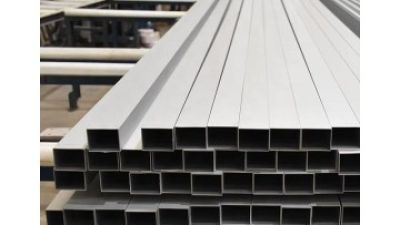
Multi-finish aluminum rectangular tubes offer a practical combination of modern appearance, structural performance, and fabrication flexibility. Extruded from high-grade 6063-T5 aluminum alloy, they are available in raw silver, matte black, wood grain, champagne gold, and grey powder-coated finishes. These options make it easier to coordinate frames, trims, partitions, screens, railings, display structures, and other architectural details with different design styles. The rectangular profile provides clean lines, while precise extrusion maintains consistent wall thickness and smooth, flat surfaces.
For outdoor or demanding environments, coated finishes help improve scratch resistance and long-term protection against corrosion. At the same time, the lightweight aluminum construction reduces handling and installation effort without sacrificing bending rigidity. The tubes are suitable for decorative architectural projects as well as industrial supports, equipment frames, machine guards, and fabricated assemblies. When selecting a size, consider the required span, load, connection method, appearance, and wall thickness. Stocked sizes support efficient project planning, while custom cutting, CNC drilling, tapping, and deep machining allow closer adaptation to specific designs. The material can also be assembled, welded, and further processed, making it suitable for both simple installations and more complex structural applications.
Recycled aluminum usually needs about 5% of primary production energy. That represents potential energy savings near 95%. Lower energy use can reduce production emissions. The claim still needs evidence.
Request recycled-content percentages, energy data, batch records, and independent environmental documents. Ask whether figures include billet production, heating, extrusion, and finishing. A spreadsheet alone is not proof.
Visit the facility when possible. Look for labeled bins, covered storage, and organized material records. Check whether post-consumer and post-industrial scrap remain separated. Small details matter.
Yes. Contaminated alloys may require extra processing. Long-distance transport can also reduce environmental benefits. Recovery rates deserve attention, not only energy savings.
Ask for die steel, die correction, sampling, and storage charges. Tooling may cost several hundred to several thousand dollars. Request a written replacement-die policy. Cheap tooling can hide costly revisions.
Separate extrusion, anodizing, inspection, and shipping schedules. Ask about production capacity and available finishing slots. “Ready to extrude” does not mean “ready to deliver.” Timing can slip.
Build scenarios for 100 kilograms, 500 kilograms, and one ton. Include packaging, duties, customs clearance, inland transport, freight, and possible demurrage. Freight prices can change sharply before arrival.
Not always. Smaller batches may have higher unit prices. Large inventories can create storage costs, tied-up cash, and outdated designs. Compare the minimum order with actual demand.
Request dimensional inspection data, surface-finish samples, and corrective-action history. Ask how cutting and machining losses are recorded. A technically strong profile needs traceability too.
Do not compare attractive percentages using different dates or measurement boundaries. I sometimes underestimate packaging costs. That error can distort the final quote. Factory evidence beats polished spreadsheets.
Choosing the right Aluminum Profile Extrusion supplier in 2026 requires a structured evaluation of technical capability, quality systems, sustainability, and commercial reliability. Start by defining your requirements according to ASTM B221 and EN 755, including alloy, temper, dimensions, tolerances, and surface finish. Then assess whether the supplier has sufficient production capacity to support growing demand, with global aluminum demand projected to reach 119.5 million tonnes by 2030. Verify process controls through inspection reports, material certificates, testing procedures, and consistent quality records.
A strong supplier should maintain an effective ISO 9001 system, full material traceability, and documented corrective actions. Sustainability should also be considered, as recycled aluminum can require approximately 95% less energy than primary production. Finally, compare tooling costs, lead times, minimum order quantities, packaging, logistics, and total delivered cost. Before signing a contract, approve production samples, apply a clear risk-scoring method, and establish safeguards covering quality, delivery, nonconformities, and corrective responsibilities.