Buying aluminium frame profiles isn’t just about comparing prices—there’s a lot more beneath the surface. Sure, a cheaper quote might seem tempting, but it could hide issues like thinner walls, inconsistent tolerances, poor finishes, or even high shipping costs. The International Aluminium Institute points out that buildings and construction are major users of aluminium, making up roughly a quarter of global demand. That’s a huge market, which means plenty of options—but it also means lots of confusion. When you’re shopping around, what really matters isn’t just a glossy picture online. You need solid proof and detailed info.
This guide’ll walk you through ten handy tips for evaluating suppliers, alloys, sizes, surface treatments, and delivery terms. Start by looking at your project’s specific needs. For example, a seaside window frame will need better salt resistance, whereas an indoor partition might only require basic protection. Always check the alloy and temper—like 6063-T5—before comparing prices. Ask about dimensional tolerances, coating details, test results, and whether they can trace batches. Little details can make a big difference—trust me, a two-millimeter mismatch can hold up your installation.
Don’t forget to consider energy and recycling efforts too. The U.S. Department of Energy points out that recycling aluminium takes about 95% less energy than making new primary aluminium. But just because a product claims to be recycled doesn’t automatically mean it’s of top quality or right for your project. Request proof of recycled content and any supporting documentation. European Aluminium also promotes stronger circular economy practices in the building industry. These things are important, but always remember—don’t take claims at face value. Do your homework.
From experience, I can tell you that the cheapest profil isn’t always the best deal. I’ve seen projects get bogged down because of scratches, bad packaging, or unclear lead times. Truth is, no checklist can replace good engineering judgment. Sometimes specs are incomplete, or site conditions change unexpectedly. That's why it's so important to review samples, inspect key areas, and test communications before you commit to a big order. In the end, making a reliable choice comes down to comparing the facts you can measure with the practical know-how gained from experience. Trust your instincts, and don’t just go for the lowest price—think long-term.
Understand the Basic Types and Uses of Aluminium Frame Profiles
10 Tips for Buying Aluminium Frames Profiles
Understand the Basic Types and Uses of Aluminium Frame Profiles
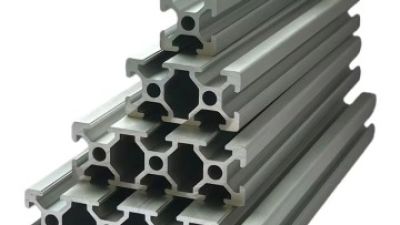
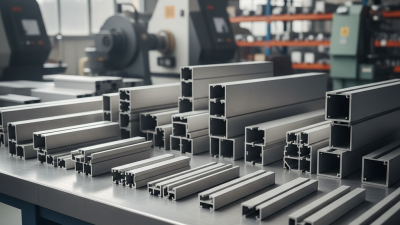
Aluminium frame profiles are shaped extrusions designed to build light, rigid structures. The profile shape determines its strength, flexibility, and best application. T-slot profiles use grooves for sliding nuts and bolts. They suit machine guards, workbenches, display frames, and adjustable enclosures. Square and rectangular tubes offer clean lines and good resistance to bending. They often support cabinets, partitions, and furniture structures.
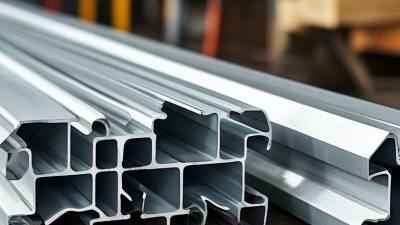
U-channels protect edges or hold panels in place. Angle profiles join two surfaces at a right angle. Flat bars work well for trims, brackets, and reinforcement, but they are not ideal for long unsupported spans. Check the wall thickness carefully. Two profiles with identical outer dimensions may carry very different loads.
I once selected a narrow profile because it looked sufficient on paper. The finished frame flexed when a heavy panel was installed. That mistake taught me to measure the actual load, span, connection method, and surrounding support. Profile selection is not only about appearance. Ask for technical data, including alloy, temper, dimensions, tolerance, and load information. A supplier’s drawing should match the delivered section. Small differences can affect fasteners and alignment.
Consider the working environment too. Moisture, dust, heat, and frequent movement may influence the finish and joint design. Anodized surfaces can improve appearance and surface durability, but they do not remove the need for proper maintenance. Keep cutting accuracy in mind. Poorly squared ends create visible gaps. Test one assembled corner before ordering large quantities.
Define the Required Dimensions, Load Capacity, and Frame Structure
Before buying aluminium frames profiles, define every required dimension on a simple drawing. Measure the overall width, height, depth, and usable opening. Include the space needed for brackets, fasteners, cables, and moving parts. A two-millimetre mistake can affect the entire assembly. Aluminium Tube Profiles may look interchangeable, but their outer size and wall thickness can differ significantly. Check the profile slot size, cut-length tolerance, and connection method. Leave only a small adjustment allowance.
Load capacity needs more than a single weight figure. Identify whether the load is static, moving, suspended, or exposed to vibration. Record where the force acts and how long the span is. A long horizontal member may bend even when the total load seems modest. Calculate deflection, not only maximum strength. In workshop checks, I have found that uneven loading often causes trouble before material failure. Use a sensible safety margin. Do not guess it.
The frame structure should match the direction of the forces. Add cross-bracing where racking may occur, especially on tall frames. Corner joints should resist twisting, not merely hold the profiles together. My early designs used too few supports and felt flexible during testing. That was a useful mistake. Prototype one corner and one full-length section before placing a larger order. Check squareness, joint movement, surface damage, and access for tools. A clear cutting list also reduces waste and installation errors.
Compare Aluminium Grades, Strength, and Surface Finishes
10 Tips for Buying Aluminium Frames Profiles
Start with the alloy and temper, not the shine. Aluminium Association data lists 6061-T6 with a minimum yield strength near 241 MPa. By comparison, 6063-T5 is commonly listed near 145 MPa. These figures explain why 6061 suits demanding structural parts, while 6063 often supports slimmer architectural profiles and cleaner extrusion detail.
Strength is only one measure. A thick 6063 profile may resist bending better than a thin 6061 profile. The calculation depends on wall thickness, span, fasteners, and load direction. ASTM B221 requires mechanical properties for extruded aluminium products, but real performance still depends on production control.
I have seen buyers choose a stronger alloy and overlook poor joint design. That decision can still produce movement and noise.
Surface finish needs equal attention. AAMA 611 specifications distinguish anodized coating classes, with typical minimum average thicknesses of about 10 microns for Class II and 18 microns for Class I. Thicker anodizing usually offers better resistance in harsh exposure, though color consistency can vary between batches.
Powder coating standards such as AAMA 2604 and 2605 evaluate weathering and coating performance. Ask for coating thickness, pretreatment details, and test records. Do not judge quality by color alone.
Even a beautiful finish can hide weak adhesion or careless handling damage. Check corners, cut ends, and drainage paths before ordering.
Check Profile Compatibility with Connectors and Accessories
Buying aluminium profiles is not only about wall thickness, finish, or price. The real test begins when the frame meets its connectors and accessories. A technically sound profile may still fail if its slot width, channel depth, or corner geometry differs. Before ordering, measure the profile drawing against the connector’s published dimensions. Do not trust appearance alone. I have seen clean-looking joints loosen because a fastener reached only the edge of the channel.
Check the profile series, slot size, and internal clearance. Then verify whether corner brackets, T-nuts, hinges, end caps, and leveling feet fit without forcing. For sliding structures, inspect the track width and roller position. For guards or workstations, confirm that panel holders match the slot orientation. Aluminium Sill Profiles need special attention around seals, drainage paths, and threshold connectors. A sill accessory that blocks drainage can create standing water after heavy rain. Ask for tolerance data, not just nominal sizes. A one-millimeter difference matters.
Use a short sample assembly before committing to a large order. Install the connector by hand, then check alignment with a square and feeler gauge. The joint should seat fully without hammering, twisting, or excessive gaps. Also check whether dissimilar metals could cause corrosion in damp environments. Record the screw length and tightening torque. I once skipped this small trial and had to rework several cut profiles. That mistake was avoidable. Keep the drawings, batch details, and test photos with the purchase record.
Evaluate Manufacturing Quality, Tolerances, and Corrosion Resistance
When buying Window Profiles Aluminium, inspect the extrusion surface under angled light. Fine die lines may be normal; deep grooves often signal poor tooling or handling. Ask for the alloy grade and temper, then match them with the project’s load and exposure requirements. A polished sample proves little. Request production records, including billet source, extrusion temperature, and dimensional inspection results. This is where confidence begins.
Measure wall thickness at several points, not only at the visible edge. Tolerances affect seals, corner joints, hardware fit, and frame alignment. A difference of a few tenths of a millimetre can create installation trouble. Use calibrated calipers and record readings from random bundles. Check straightness, twist, and cut length as well. I would also inspect a finished corner assembly, because attractive loose profiles can hide weak connections. Small details matter.
Corrosion resistance depends on alloy, surface preparation, coating thickness, and drainage design. Ask whether anodizing or powder coating was tested for thickness, adhesion, and salt exposure. Review the test method and date, rather than accepting a vague “weather resistant” claim. Look for sealed anodized pores and an even coating around corners. White powder, bare cut ends, or bubbling deserve questions. No supplier is flawless. A missing record may be accidental, but repeated gaps should change your purchasing decision. For coastal projects, specify extra protection and inspect samples after cutting, drilling, and assembly.
Review Suppliers, Pricing, Certifications, and Delivery Conditions
Buying aluminium frame profiles requires more than comparing a quoted price. The International Aluminium Institute reported 70.6 million tonnes of primary aluminium production in 2023. Supply is large, yet extrusion capacity, alloy selection, and energy costs still vary by region. Review at least three suppliers, checking their extrusion experience, tooling control, and quality records. Ask for recent customer references, not only polished brochures.
Pricing needs a clear breakdown. Compare billet cost, extrusion charges, surface treatment, tooling, packaging, and freight separately. The World Bank Commodity Markets data provides useful aluminium price benchmarks, but it does not represent your finished profile cost. Request a validity period for every quotation. Prices can move quickly. A low offer may hide high minimum quantities or expensive tooling. I have seen spreadsheets look precise while missing port charges.
Certifications should match the application. Request alloy and temper certificates, dimensional inspection reports, and EN 10204 3.1 material documents. For Heat Sink Profiles Aluminium, confirm thermal performance, wall thickness, and tolerances under EN 755 or EN 12020, where applicable. ISO 9001 supports process control, but it does not prove every batch is perfect. Check the certificate number and issuing body. Delivery terms deserve equal attention. Confirm production lead time, inspection time, Incoterms, pallet protection, moisture control, and claims procedures. Put these details in the purchase contract. Mistakes often begin with an unclear delivery promise.
6063-T5 T-Slot Aluminum Profiles: Sourcing Trends from Grand View Research and Mordor Intelligence Reports
The global aluminum extrusion market is expanding as manufacturers seek lightweight, durable, and recyclable materials for industrial automation, construction, transportation, and modular equipment. Grand View Research estimated the market at approximately USD 78.1 billion in 2022 and projected a compound annual growth rate of about 7.5% from 2023 to 2030. Mordor Intelligence also forecasts continued growth through 2029, driven by demand for energy-efficient structures, automated production lines, and flexible modular systems. These trends are encouraging buyers to source standardized profiles that simplify assembly while reducing fabrication time.
Our premium 6063-T5 T-slot aluminum profiles are designed for these evolving requirements. Available in single-, double-, and triple-wide slot configurations, they use universal T-slots compatible with common assembly accessories. Precision extrusion provides consistent wall thickness and dependable load-bearing performance without welding. Silver matte, black, and red anodized finishes offer both functional protection and visual flexibility, while the oxidation-resistant, anti-scratch surface supports longer service life. Custom cutting lengths help reduce on-site processing, and the lightweight structure can be easily disassembled, reconfigured, and reused for machine frames, workstations, guards, and other industrial installations.
FAQS
Use angled light to reveal fine die lines, deep grooves, and handling damage. Fine lines may be normal. Deep grooves need investigation.
Ask for the alloy grade, temper, billet source, extrusion temperature, and dimensional inspection records. A polished sample proves little.
Measure several points with calibrated calipers. Record readings from random bundles, not only visible edges. Small differences can affect seals and hardware fit.
Check straightness, twist, cut length, and frame alignment. Inspect a finished corner assembly too. Loose profiles can hide weak joints.
Review alloy selection, surface preparation, coating thickness, adhesion, and salt-exposure testing. Ask for the test method and date.
Look for uneven corners, white powder, bare cut ends, and bubbling. Sealed anodized pores matter. Repeated missing records should change your decision.
Request separate costs for billet, extrusion, tooling, treatment, packaging, and freight. Check minimum quantities and port charges. Low prices can mislead.
Request alloy and temper certificates, inspection reports, and material documents. Confirm lead time, inspection time, Incoterms, packaging, moisture control, and claims procedures.
Specify additional protection and inspect samples after cutting, drilling, and assembly. Salt air is unforgiving. I would not rely on vague weather-resistant claims.
Conclusion
Choosing the right Aluminium Frames Profiles requires more than comparing prices. Start by identifying the profile type and its intended application, then define the required dimensions, load capacity, and overall frame structure. Consider the aluminium grade, strength, and surface finish to ensure the profiles can meet both performance and appearance requirements. It is also important to confirm that the profiles are compatible with the necessary connectors, fasteners, panels, and other accessories, since mismatched components can affect assembly and stability.
Before purchasing, review manufacturing quality, dimensional tolerances, and corrosion resistance, especially for demanding environments. A reliable supplier should provide clear technical information, consistent quality, relevant certifications, and practical delivery conditions. Compare quotations carefully by considering material specifications, finishing options, packaging, lead times, and after-sales support rather than focusing only on the lowest price. A thorough evaluation will help ensure that the selected Aluminium Frames Profiles are safe, durable, easy to assemble, and suitable for the project’s long-term requirements.

 Contact WhatsApp
 Contact Phone
 Contact Email
 Wechat+8618029386470
 Whatsapp