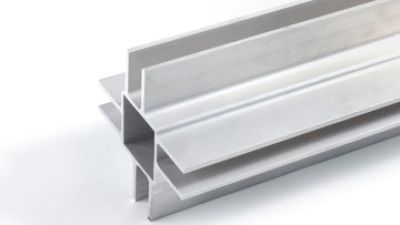
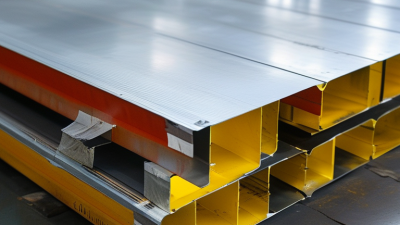
China has really become a key player when it comes to sourcing architectural aluminum extrusion, especially for things like Aluminum Pergola Profiles. If you look at data from the International Aluminium Institute, China consistently ranks among the top aluminum producers in the world. That kind of scale means they have the capacity to produce a ton of product — but, honestly, it doesn’t always mean the quality is consistent. You gotta be careful there.
Now, if you're trying to figure out who’s really active in this space, UN Comtrade data can be helpful for tracking aluminum flows and supplier activity. But—and here’s the catch—trade codes don’t always line up perfectly with pergola profiles specifically. So, just because a supplier looks experienced on paper doesn’t necessarily mean they’re experts in pergola extrusion. It’s always a smart move to dig a little deeper—check their factory records, see what their extrusion press capacity is, verify alloy control, and look for actual project references.
This guide focuses on the top China-based suppliers, and it’s all about practical, real-world evidence. You’ll want to look for things like certifications for 6063-T5 or T6 alloys, watch out for dimensional tolerances and wall thickness, and pay attention to drainage design and coating quality. If they’re doing powder coating, make sure it meets recognized standards such as Qualicoat or AAMA where relevant. ISO 9001 certification is great for showing they have good process controls, but let’s be honest — it’s not a guarantee that every product will be perfect.
And honestly, don’t overlook the details. Trusted suppliers should be willing to provide samples, detailed production drawings, inspection reports, and clear photos of packaging. When you’re dealing with a 6-meter profile, stability in straightness, protected corners, and dry storage before installation are non-negotiable. Always ask how they handle color consistency from batch to batch, and don’t forget to clarify their policies on replacements if issues come up.
Market reports can give you some helpful insights, but don’t take them as gospel. They often differ because researchers define pergolas differently, which adds some uncertainty. So, the real way to get a good sense of a supplier’s reliability is to combine published data with factory audits, testing, installation experience, and transparent communication. That way, you can compare not just price, but also the overall value and longevity of the product — because, at the end of the day, you want more than just the cheapest aluminum pergola profile out there.
What an Aluminum Pergola Profile Supplier Does
An aluminum pergola profile supplier does more than extrude metal. It turns design drawings into usable, repeatable structural components. A capable China-based supplier reviews span lengths, roof loads, drainage paths, and installation conditions before production. The team may question a beautiful detail if it weakens assembly. That conversation matters. Aluminum Profile selection often starts with alloy, temper, wall thickness, and section geometry. For outdoor pergolas, corrosion resistance and dimensional stability deserve practical attention, not optimistic claims.
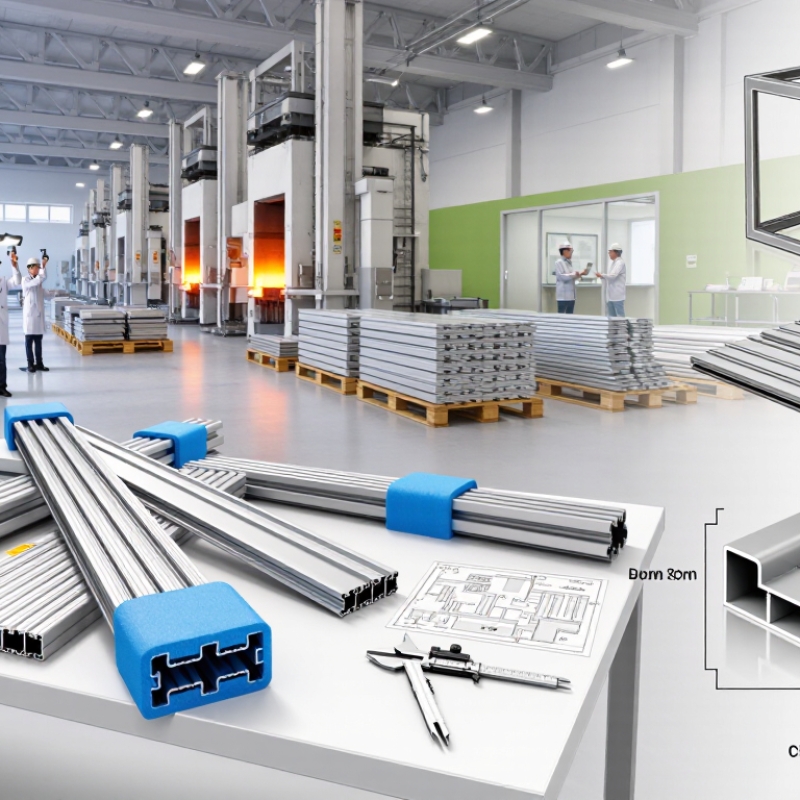
During production, technicians control extrusion temperature, die condition, straightening, cutting, and surface treatment. They inspect profiles with calipers and gauges, checking length, twist, holes, and visible marks. Powder coating requires clean pretreatment and consistent film coverage. Small defects become obvious under sunlight. A dependable supplier keeps samples, inspection records, packaging specifications, and traceable batch information. These records help installers identify problems before dozens of profiles reach a jobsite.
The supplier also supports prototyping, connection details, and installation feedback. It may provide cut lists, machining suggestions, and protective packaging for long profiles. Experience shows that shipping damage often begins with poor internal support, not rough handling alone. Still, no supplier gets every decision right. A revised drawing, failed sample, or delayed test can reveal overlooked assumptions. Honest communication helps correct them early. Buyers should request material certificates, coating data, tolerances, and sample approval before placing volume orders.
Key Aluminum Grades and Profile Specifications
China Top Aluminum Pergola Profile Supplier Guide
For pergola frames, 6063-T5 remains a practical extrusion grade because it offers clean surfaces and reliable formability. The Aluminum Association identifies 6063 as an architectural extrusion alloy. T5 temper suits standard beams, posts, and louvers. Use 6061-T6 where higher strength matters, such as long spans or heavily loaded connections. It is stronger, but machining and surface finishing can become less forgiving.
Specify wall thickness beside the alloy grade. A common range is 1.5–2.5 mm for moderate residential members, while larger beams may need thicker walls or internal reinforcement. These figures are starting points, not structural approval. Check deflection, wind pressure, span, and fastener loads through project calculations. EN 755-9 and ASTM B221 provide useful extrusion tolerance references. Powder coating should also state the required performance class, coating thickness, and testing method. A beautiful finish cannot correct an undersized profile.
The International Aluminium Institute reported about 70.6 million tonnes of primary aluminium production in 2023. Its lifecycle studies also indicate that recycled aluminium requires roughly 5% of the energy used for primary production. Ask suppliers for alloy certificates, temper records, dimensional inspection data, and recycled-content evidence. Small gaps often appear here. They matter. A supplier may list “6063” without confirming T5 temper or chemical limits. That is an avoidable weakness.
How Pergola Profiles Are Designed and Manufactured
Designing pergola profiles begins with climate, span, and drainage requirements. A reliable manufacturer checks wind exposure, roof weight, and installation conditions before choosing an alloy. Profile Aluminum sections are commonly shaped through extrusion, forcing heated billets through precision dies. This creates consistent channels for beams, louvers, fasteners, and concealed wiring.
The process needs careful control. Engineers inspect die dimensions, wall thickness, and straightness after extrusion. A slight distortion can affect corner alignment. Cut lengths are measured with calibrated equipment, then deburred to protect installers’ hands. Surface treatment usually includes cleaning, pretreatment, powder coating, and curing at controlled temperatures. The finish should resist moisture, sunlight, and ordinary cleaning chemicals.
Manufacturing should not end at appearance. Samples require checks for coating adhesion, color consistency, drainage performance, and connection strength. Assemblies may be tested under repeated loading and simulated rain. Small details matter, such as a hidden slope that guides water toward the outlet. Yet no design is flawless. Poor site measurements or blocked drainage can still cause trouble. Experienced suppliers review these risks with drawings, inspection records, and installation feedback. That practical loop often improves the next production batch.
How to Evaluate a China-Based Supplier
Choosing a China-based aluminum pergola profile supplier requires more than comparing prices. Check whether the supplier understands your drawings, alloy requirements, surface finish, and installation conditions. Ask for recent production samples, not only polished catalog images. Measure profile dimensions, coating thickness, color consistency, and visible scratches under natural light.
Request factory evidence with practical detail. A live video tour can reveal extrusion lines, aging ovens, cutting equipment, and packing areas. Review quality records, material certificates, inspection procedures, and documented tolerance limits. If the pergola will face strong wind or heavy rain, ask for test data and engineering support. Do not accept vague claims.
Communication is another reliability test. Send one clear drawing and observe the response. Does the technical team identify missing dimensions? Can they explain tooling fees, minimum order quantities, lead times, and replacement procedures? A written sample approval protects both sides. Yet paperwork is not enough. Check whether production staff follow the approved sample.
Be careful with unusually low quotations. They may exclude tooling, packaging, testing, or inland transport. One overlooked detail can delay an entire installation. No supplier is perfect. A factory may have excellent equipment but weak project coordination. Another may communicate well but lack stable finishing control. Evaluate both strengths and weaknesses, then record every concern before placing a trial order.
Customization, Pricing, and Minimum Order Considerations
China Top Aluminum Pergola Profile Supplier Guide: Customization, Pricing, and Minimum Order Considerations
China’s aluminum supply chain offers broad choices for pergola projects. The International Aluminium Institute reported global primary aluminum production above 70 million tonnes in 2023. That scale supports competitive sourcing, but raw material prices still change monthly. A supplier quotation should separate aluminum, machining, coating, packaging, and shipping costs. Do not compare only the price per kilogram.
Customization affects both price and minimum order quantity. For a U Profile Aluminum component, confirm wall thickness, alloy grade, length tolerance, drainage holes, and surface finish. Powder coating, wood-effect finishes, and anodizing require different preparation. Custom dies may cost extra. Ask whether tooling fees are refundable after production volume reaches an agreed level. Small trial orders can expose color variation or profile distortion. They are useful, though not always economical.
Industry reports from Grand View Research indicate continued growth in the global aluminum market, driven partly by construction demand. That does not guarantee lower pergola prices. Request a written specification, coating standard, sample approval, and inspection photos before paying a deposit. MOQs often rise with custom extrusion dies and special colors. A practical starting point may be one pallet or a small container, but each factory calculates differently. I have found that vague measurements create more cost than modestly higher material prices. The overlooked detail is packaging: long profiles need corner protection, moisture control, and clear bundle labels. Suppliers should also explain lead time honestly, including tooling and holiday delays.
Multi-Slot Industrial Aluminum Profiles for Smarter Equipment Frames and Protective Guards
Multi-slot industrial aluminum profiles provide a flexible foundation for smarter equipment frames, protective guards, workstations, and modular assembly lines. Their multiple mounting channels support quick installation of panels, sensors, brackets, conveyors, lighting, and safety barriers without extensive welding or permanent modification. This makes it easier to adjust layouts, expand production capacity, and reassemble equipment as manufacturing requirements change.
Aluminum profiles combine low weight with dependable structural strength, weighing about one-third as much as steel while meeting the needs of many industrial applications. Their natural corrosion resistance supports use in humid, clean, and frequently washed environments, including food processing, pharmaceutical production, and electronic assembly. The material is also easy to cut, drill, and configure into precise structures, helping manufacturers create customized frames with efficient installation and reduced maintenance.
Anodized or coated surfaces provide a clean, professional appearance and make routine cleaning more convenient. Smooth modular frames can support visual management while helping separate operators from moving equipment and work areas. With high recyclability and long service potential, aluminum profile systems also align with resource-conscious manufacturing. They can be combined with transparent panels, mesh, doors, and access components to form protective guards that improve visibility while allowing practical inspection and servicing.
Conclusion
Choosing the right China-based Aluminum Pergola Profile supplier requires more than comparing prices. A reliable supplier should understand pergola structure, recommend suitable aluminum grades and profile specifications, and provide precise design and manufacturing processes. Key factors include material strength, dimensional accuracy, corrosion resistance, surface treatment, drainage design, and compliance with relevant quality and safety expectations. Buyers should also review production capabilities, inspection procedures, customization options, minimum order quantities, tooling costs, and transparent quotations.
A professional supplier can support various project requirements, including different colors, dimensions, connection methods, and installation conditions. Clear communication is essential from drawing confirmation through production, packaging, and shipment. Buyers should also evaluate lead times, export packaging, installation guidance, replacement parts, and after-sales service. By assessing technical expertise, quality control, customization flexibility, total cost, and service reliability, customers can establish a stable supply relationship and obtain durable Aluminum Pergola Profile solutions for residential, commercial, and outdoor architectural applications.

 Contact WhatsApp
 Contact Phone
 Contact Email
 Wechat+8618029386470
 Whatsapp