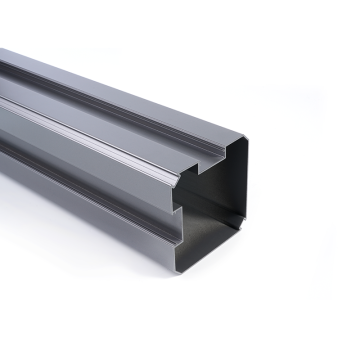
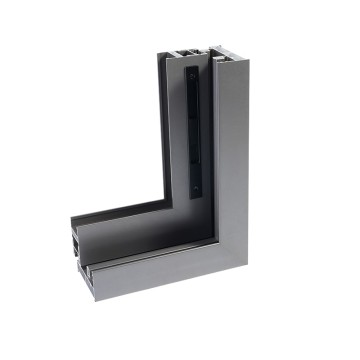
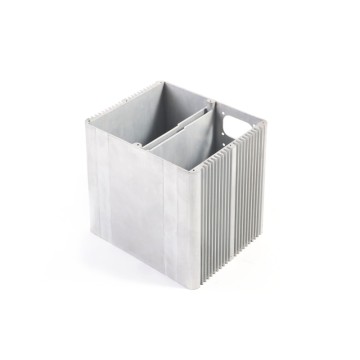
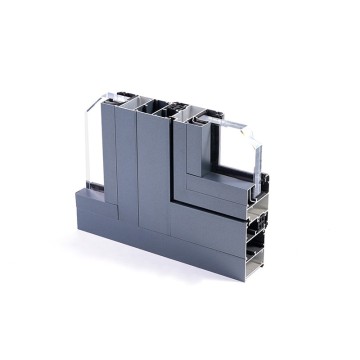
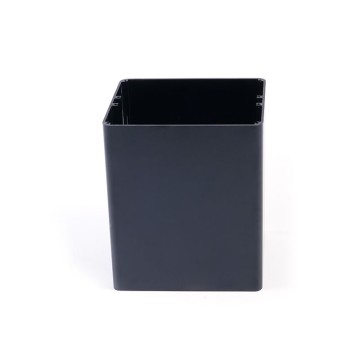
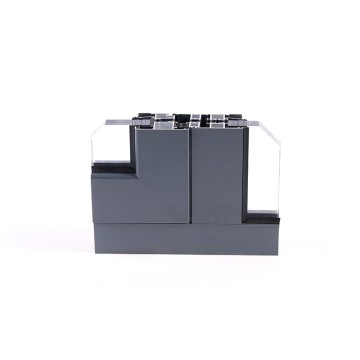
The Japanese market for aluminium door profiles is characterized by its uncompromising demand for precision, extreme durability, and adherence to rigorous national standards such as the JIS (Japanese Industrial Standards). In the commercial and industrial sectors across metropolises like Tokyo, Osaka, and Nagoya, aluminium extrusions are the backbone of modern architectural frameworks. The unique geographical and climatic conditions of Japan—ranging from frequent seismic activity to typhoons and varying temperature extremes—require construction materials to be exceptionally resilient.
Commercially, the focus has shifted heavily towards high-strength, lightweight aluminium profiles that reduce the overall dead load of high-rise buildings, thereby enhancing earthquake resistance. Industrially, automated manufacturing facilities and cleanrooms in Japan's advanced electronics and automotive sectors heavily rely on customized modular framing solutions. These profiles must offer flawless surface treatments, superior corrosion resistance (especially in coastal industrial zones), and exact dimensional tolerances.
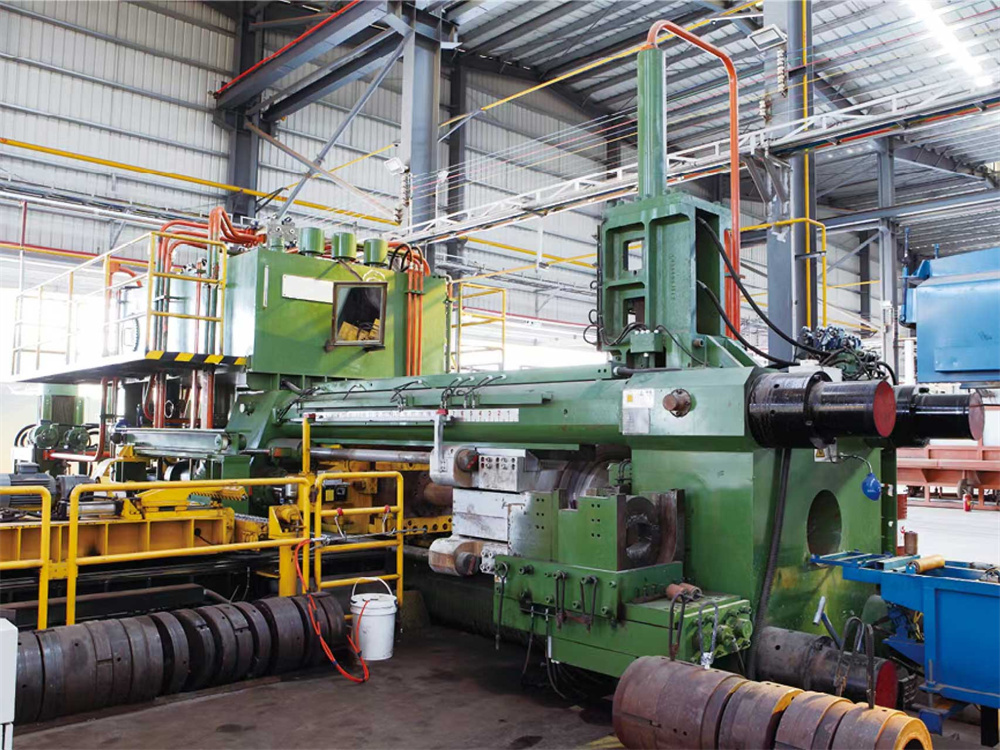
As a leading wholesale manufacturer, we understand that entering the Japanese market means surpassing standard expectations. Our extrusion equipment, ranging from 900 tons to 2000 tons, ensures that every profile meets the structural integrity required by Japanese engineers and architects, supporting the nation's push towards safer, more resilient urban infrastructure.
Japan is actively pursuing Carbon Neutrality by 2050. This has drastically shifted the aluminium door and window industry towards thermal break technology. Traditional aluminium is highly conductive, leading to energy loss. By integrating polyamide strips within the aluminium profiles, we create a thermal barrier that prevents heat transfer. This is particularly crucial for regions like Hokkaido, where harsh winters demand superior insulation to maintain energy-efficient heating. Our customized thermal break profiles are specifically engineered to meet Japan's stringent ZEH (Net Zero Energy House) standards.
Modern Japanese architecture beautifully marries traditional "Wabi-Sabi" (the appreciation of clean, natural, and imperfect beauty) with contemporary minimalism. Consequently, there is a massive trend towards ultra-narrow frame aluminium sliding doors. These "invisible frame" designs maximize natural light and blur the boundaries between indoor and outdoor spaces (such as the Engawa). Our premium sliding door profiles are designed to offer maximum glass area with minimal visible aluminium, coated in matte or wood-grain finishes to suit local aesthetic preferences.
The aging population in Japan has accelerated the adoption of smart home technologies. Aluminium door profiles are no longer just structural elements; they are being redesigned to house automated opening mechanisms, biometric locks, and IoT sensors. Our R&D integrates hidden wiring channels and reinforced sections within the extrusion process to perfectly accommodate these smart components without compromising the structural integrity or aesthetic appeal of the door.
Given Japan's island geography, corrosion from salty sea air is a constant threat to buildings. The trend has moved towards highly durable surface treatments. We utilize advanced Anodizing, Electrophoretic Coating, and PVDF (Fluorocarbon) coatings. These treatments not only provide a sleek, modern finish but also ensure the aluminium profiles can withstand decades of exposure to coastal climates without degrading.
Our wholesale aluminium profiles are tailored for a variety of specific applications within the Japanese market:
In historic cities like Kyoto and Kanazawa, renovating traditional wooden Machiya is a growing trend. Architects require materials that respect the historic aesthetic while providing modern insulation and security. Our wood-grain finished aluminium profiles offer the perfect solution—mimicking traditional timber while providing the fire resistance, durability, and thermal insulation of modern metal.
In Tokyo and Osaka, space is at a premium. Our slim-line sliding door profiles are extensively used in interior partitions and balcony doors in modern Japanese "Mansions" (condominiums). They save space, operate silently on high-quality tracks, and provide excellent acoustic insulation against city noise.
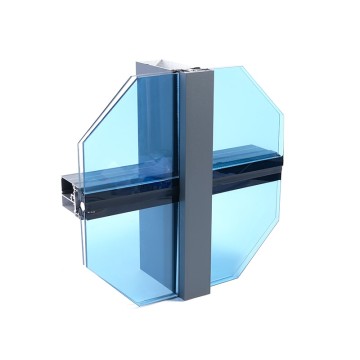
For retail spaces in commercial hubs like Ginza or Shinjuku, visual appeal is paramount. Our aluminium profiles for curtain walls with invisible horizontal frame designs allow for expansive glass facades. These robust profiles withstand high wind loads (crucial during typhoon season) while offering a sleek, uninterrupted glass exterior that attracts consumers.
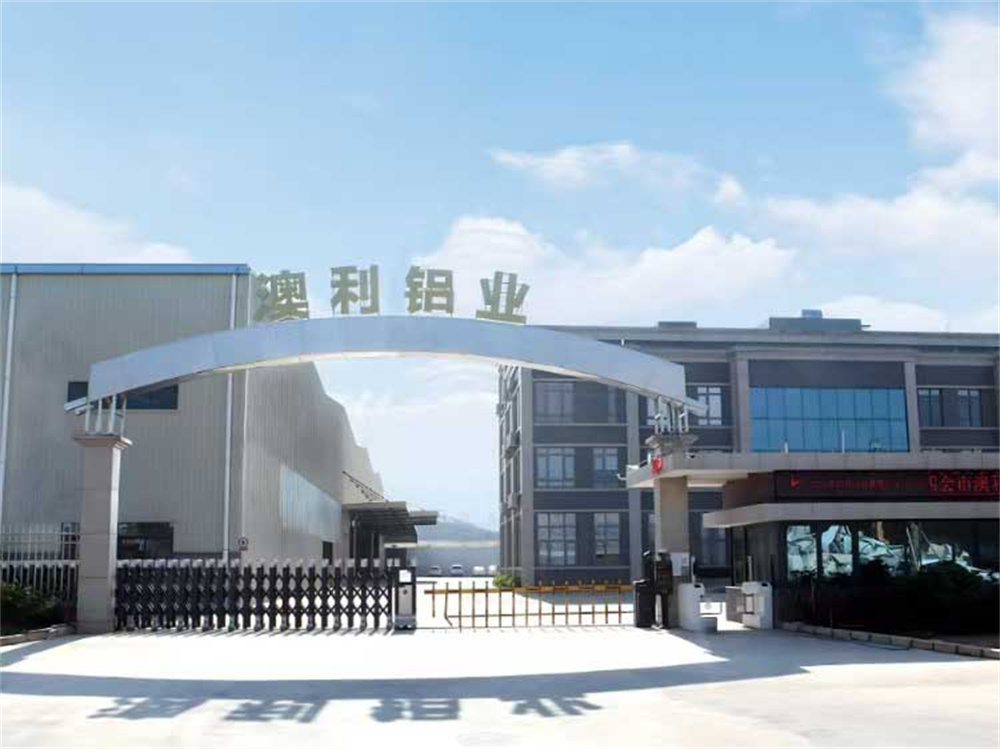
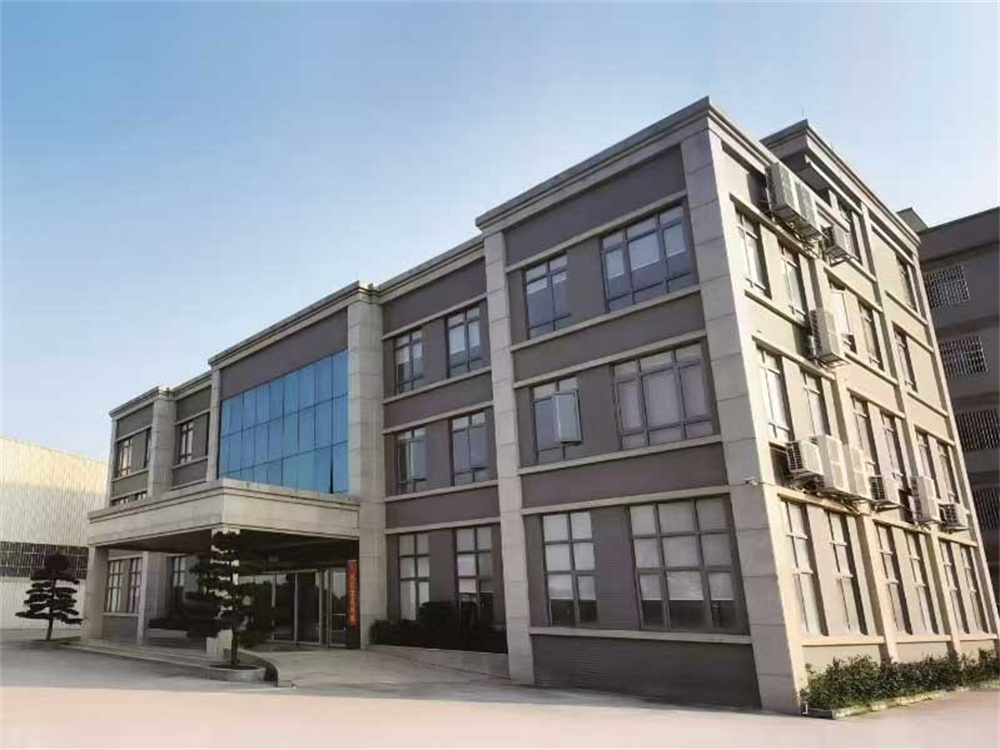
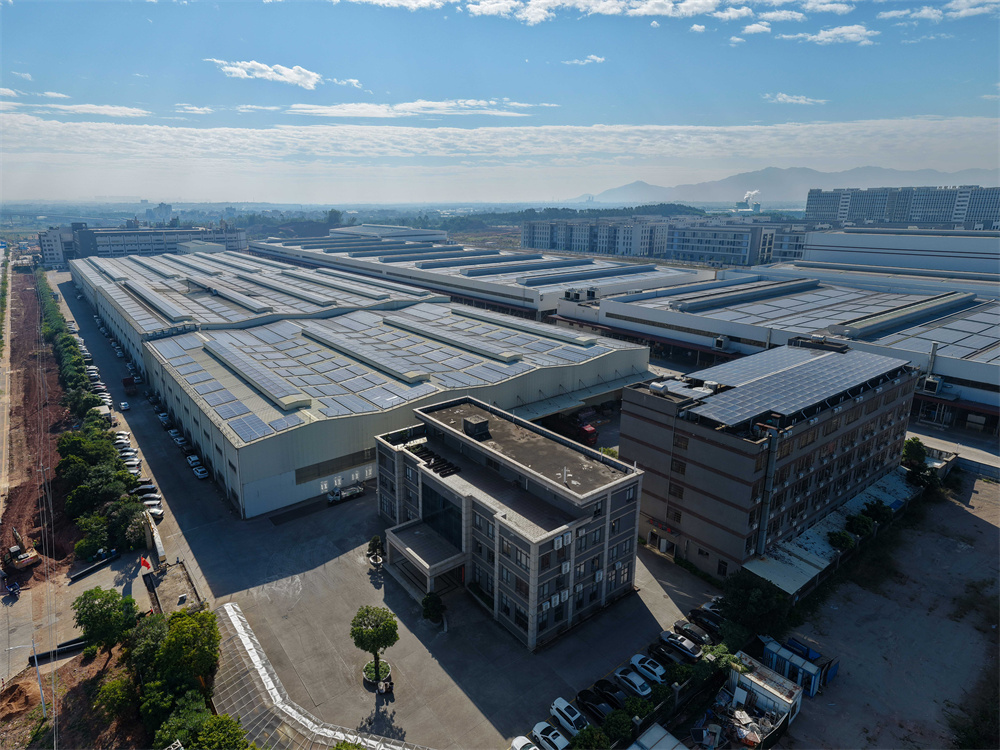
Aoli Aluminum was established in 2009 and is a manufacturer that integrates research and development, production, and sales. We specialize in the manufacturing of aluminum alloy profiles for construction, decoration, and industry. Our headquarters are located in Sihui, Guangdong, with branch offices in Foshan, Guangdong, and a comprehensive ISO quality management system has been established.
"Our mission is building sustainable cities for the world. Committed to achieving a win-win situation for employees, customers, and society has always been our business vision."
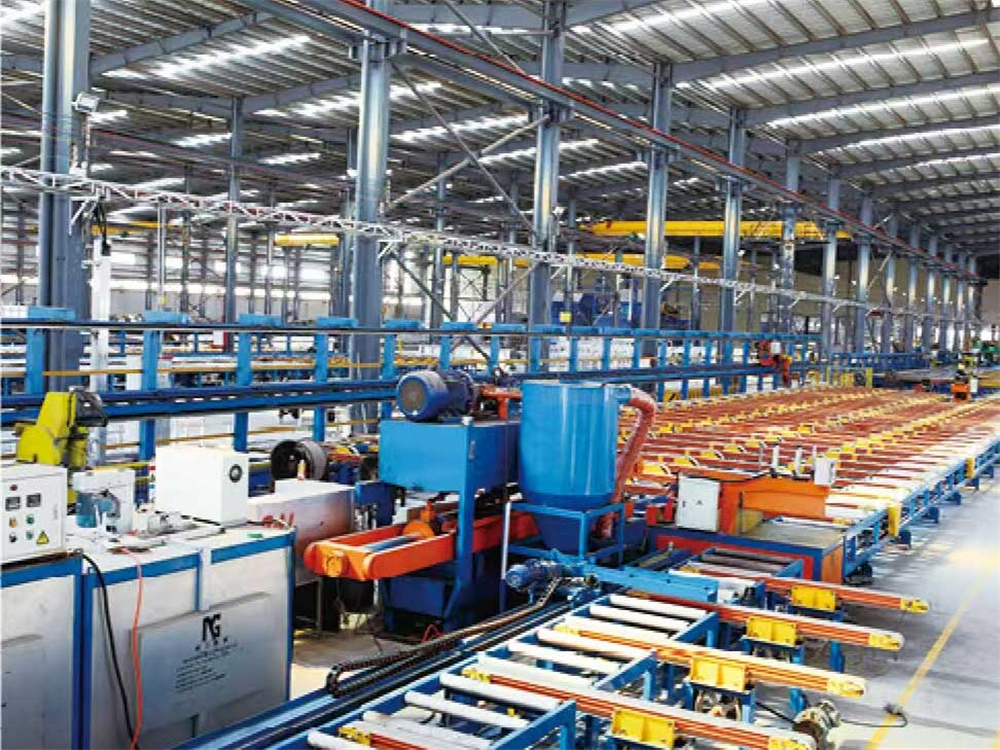
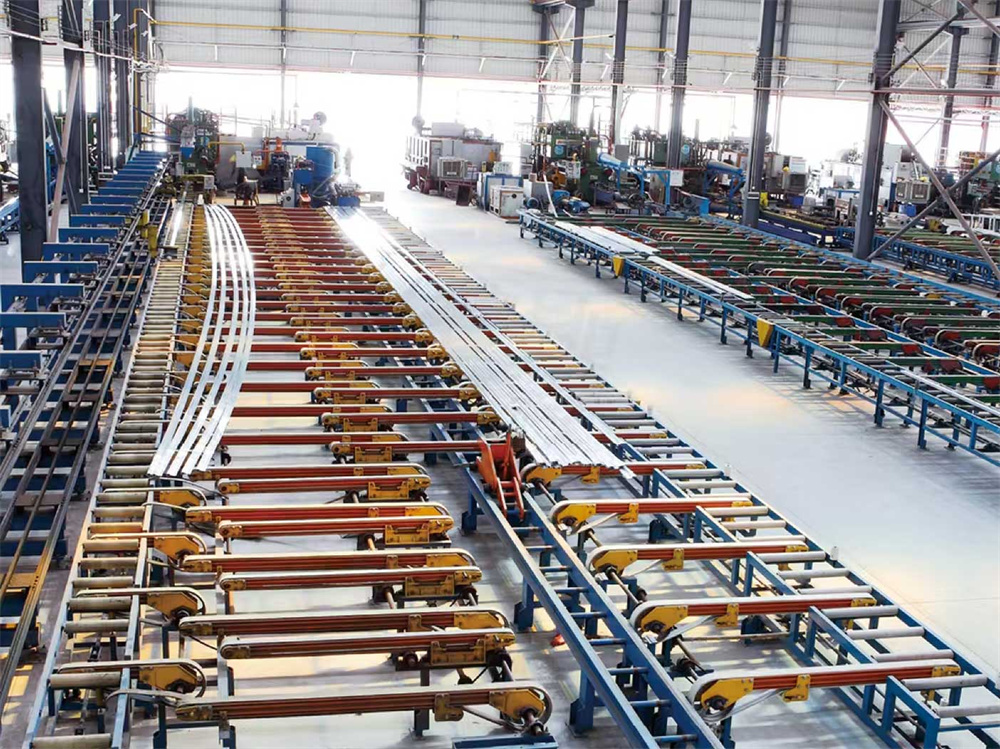
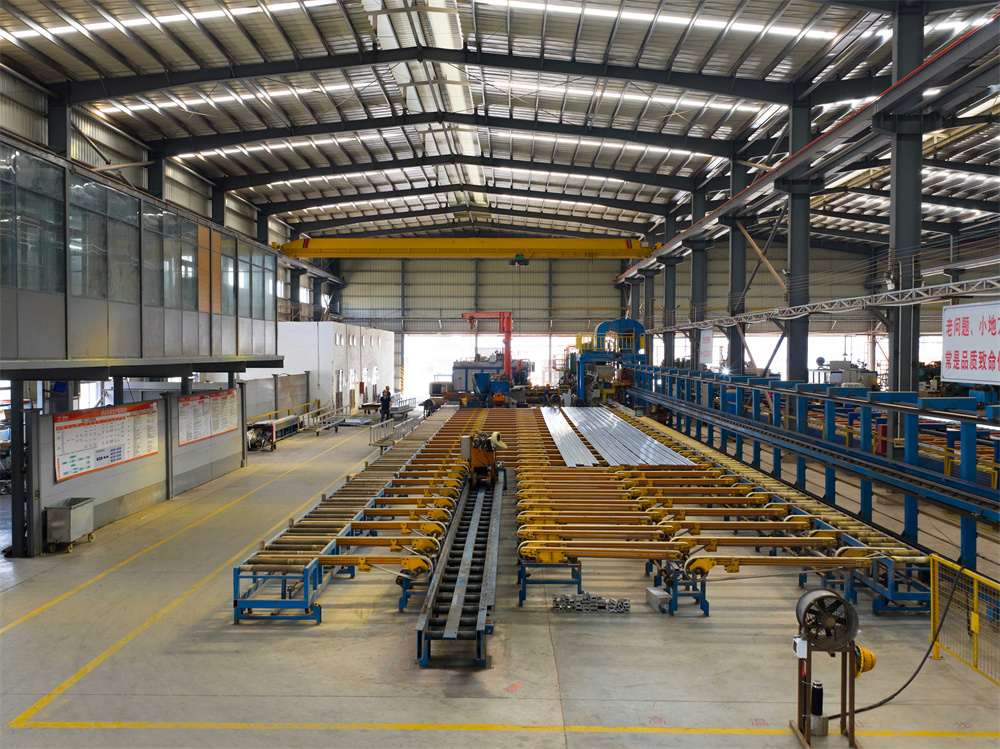
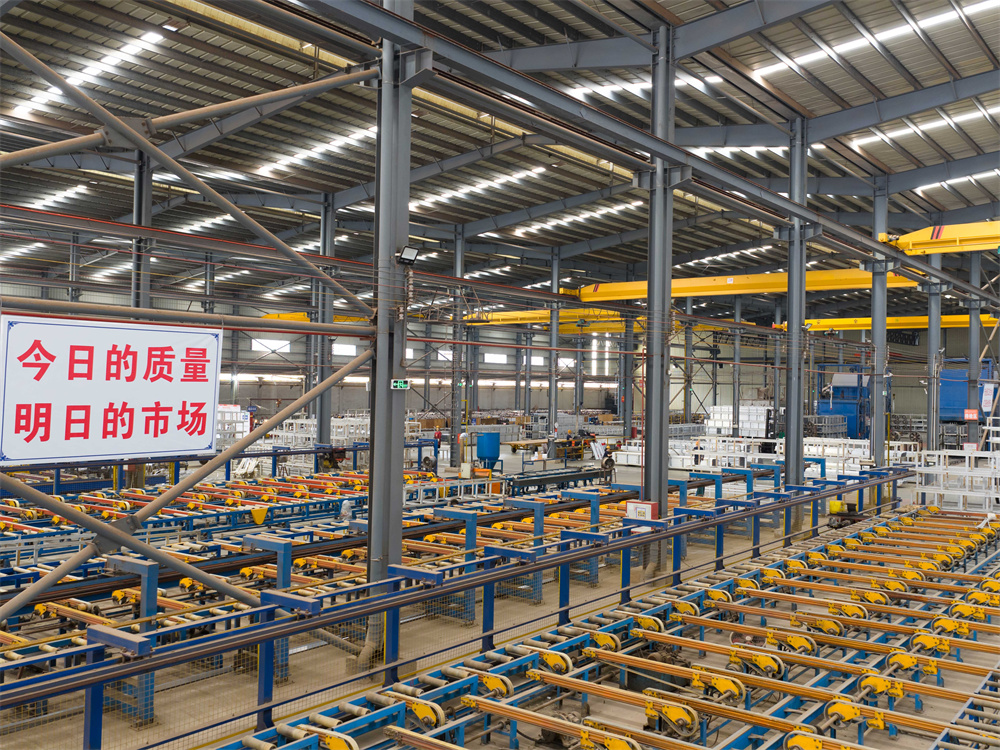
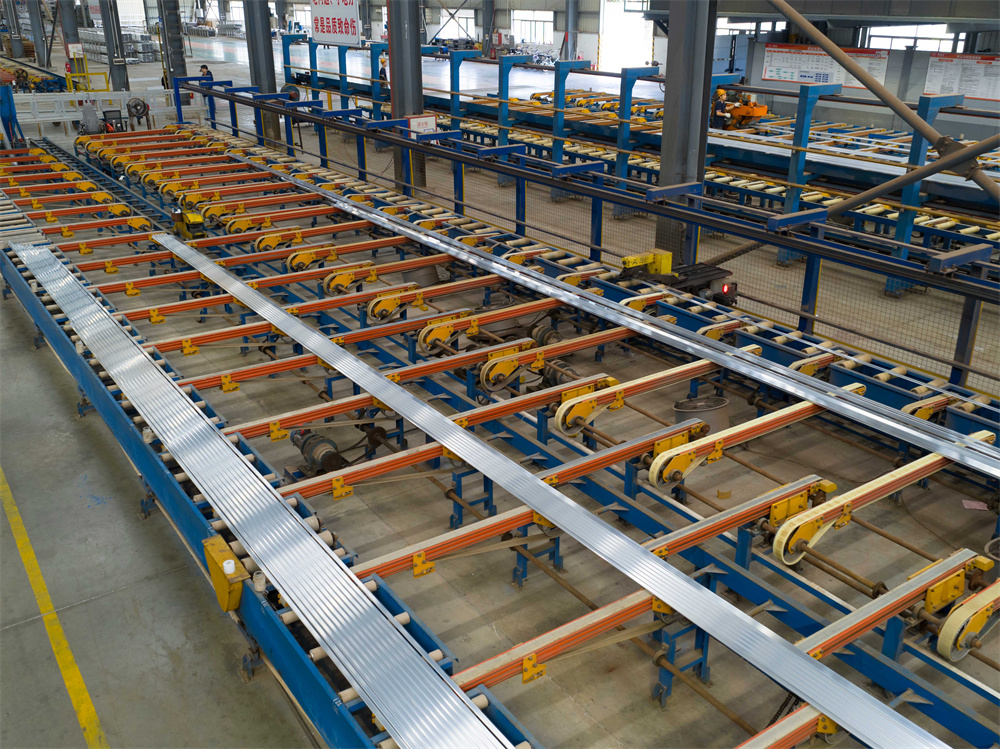
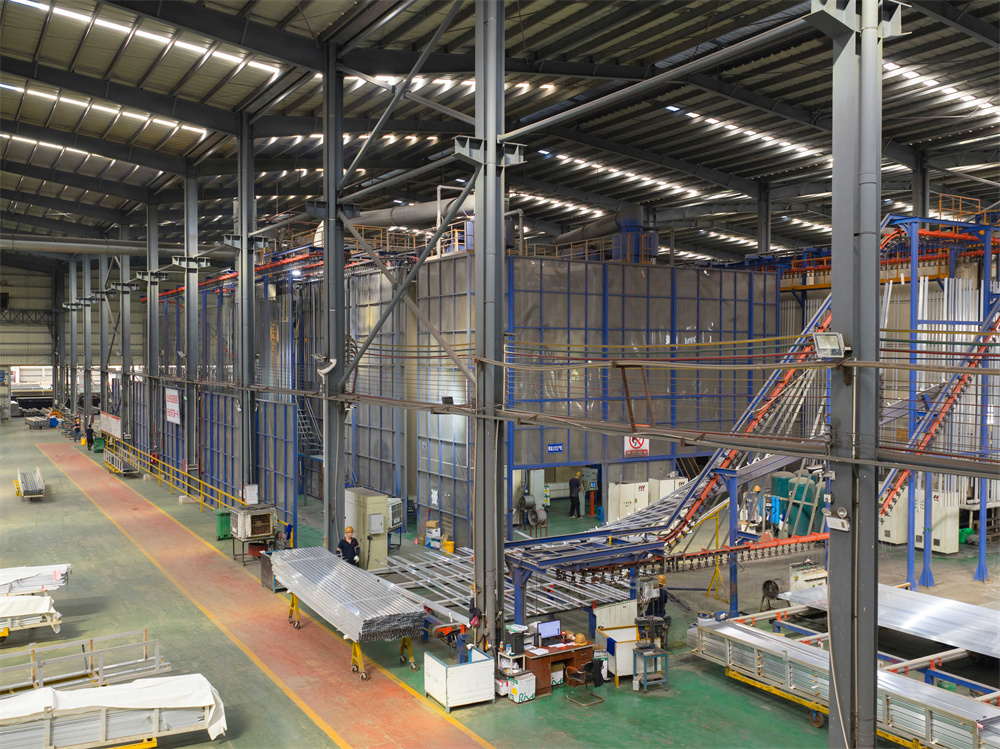
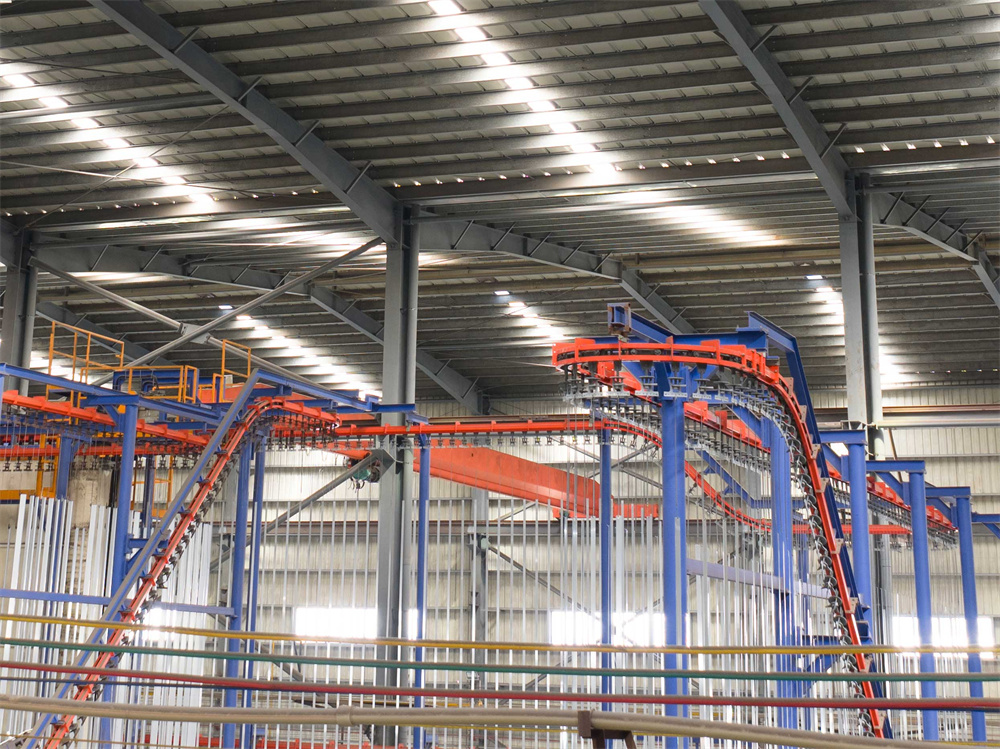
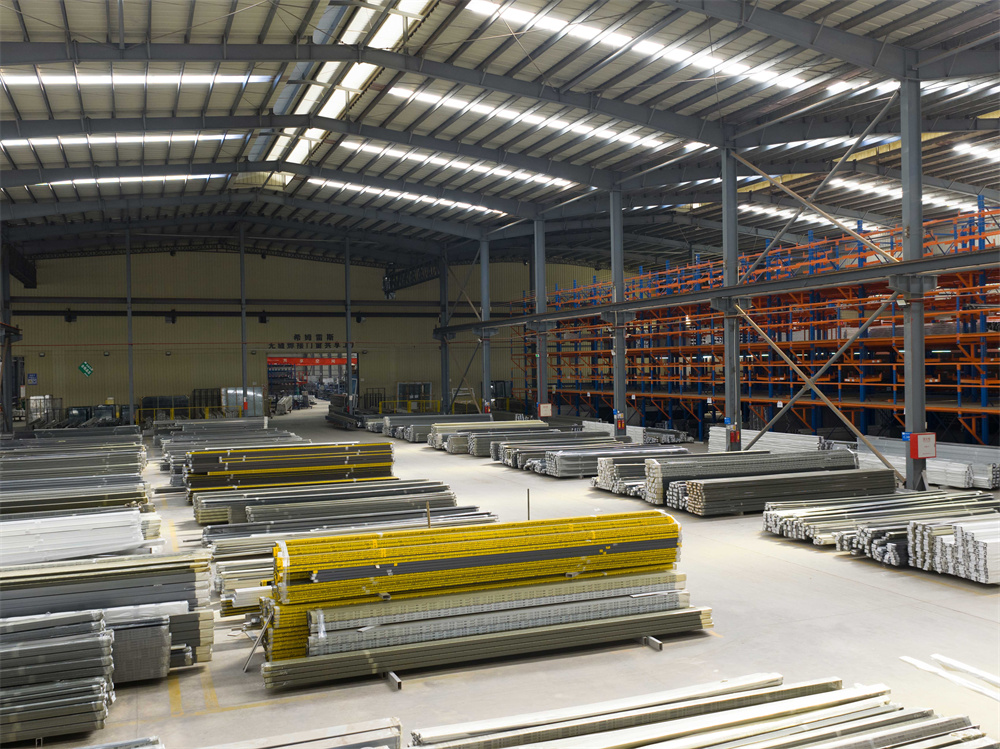
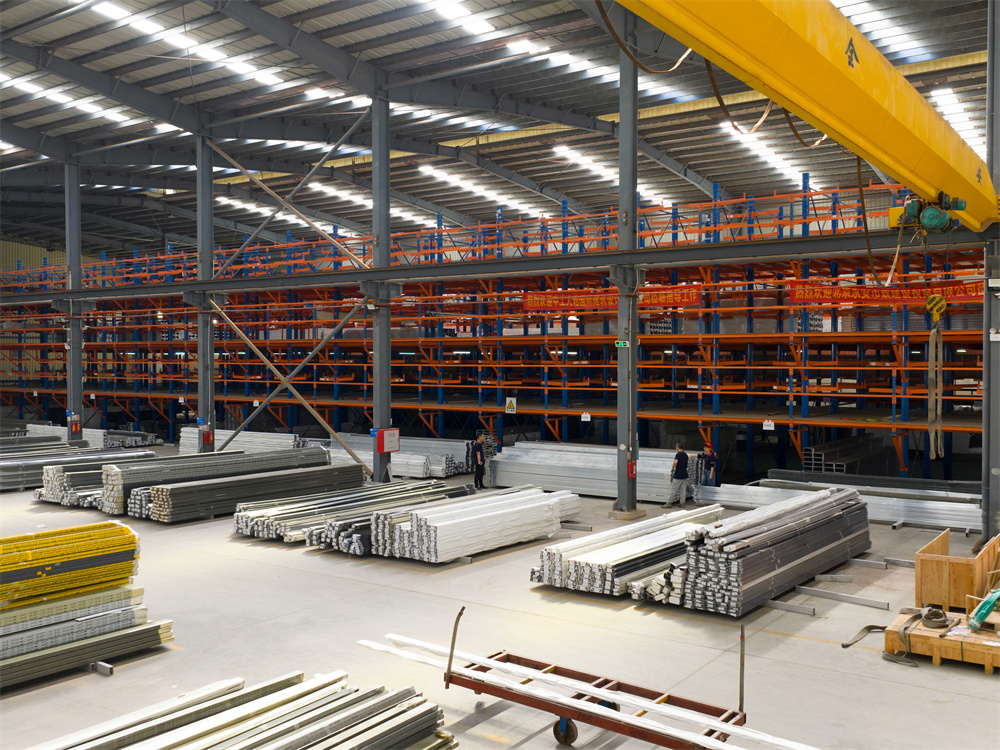
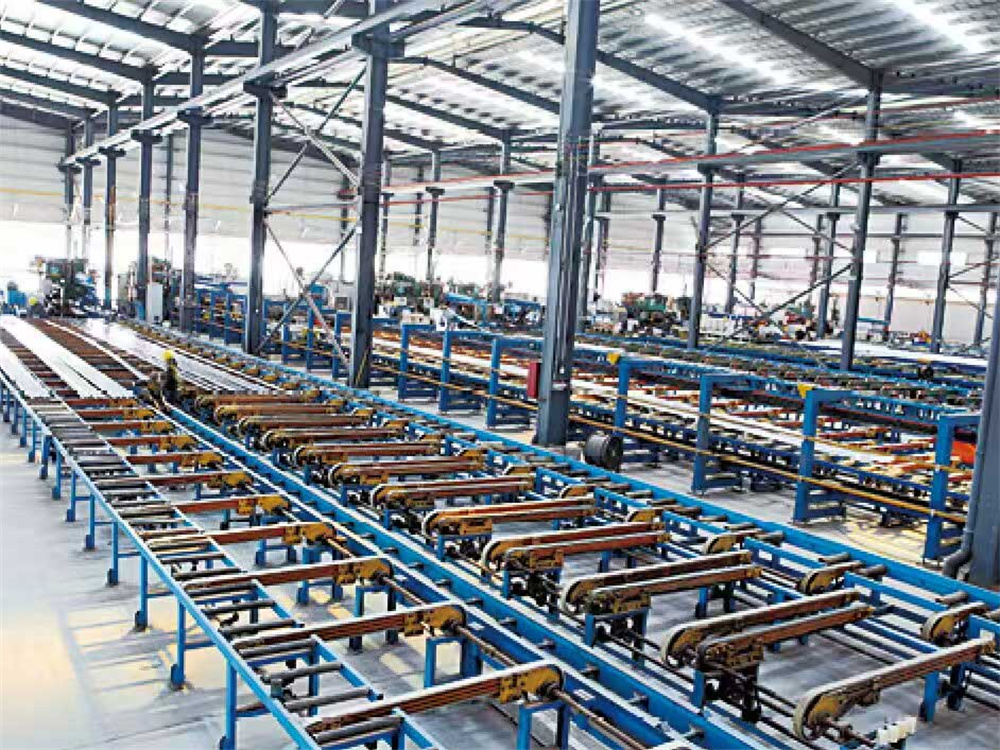
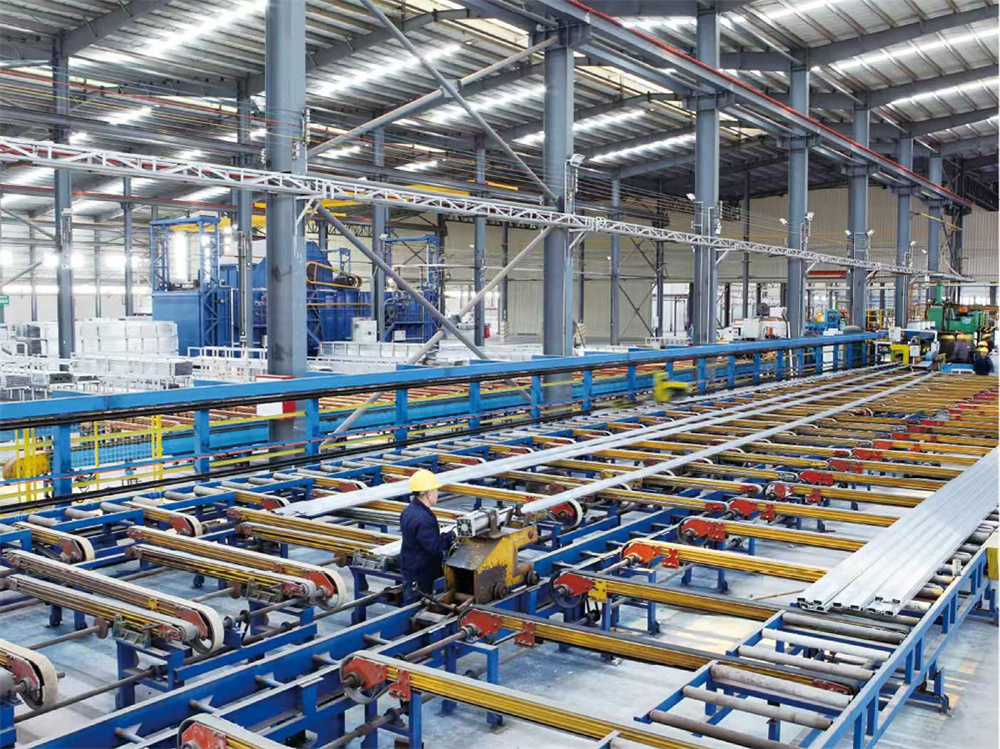
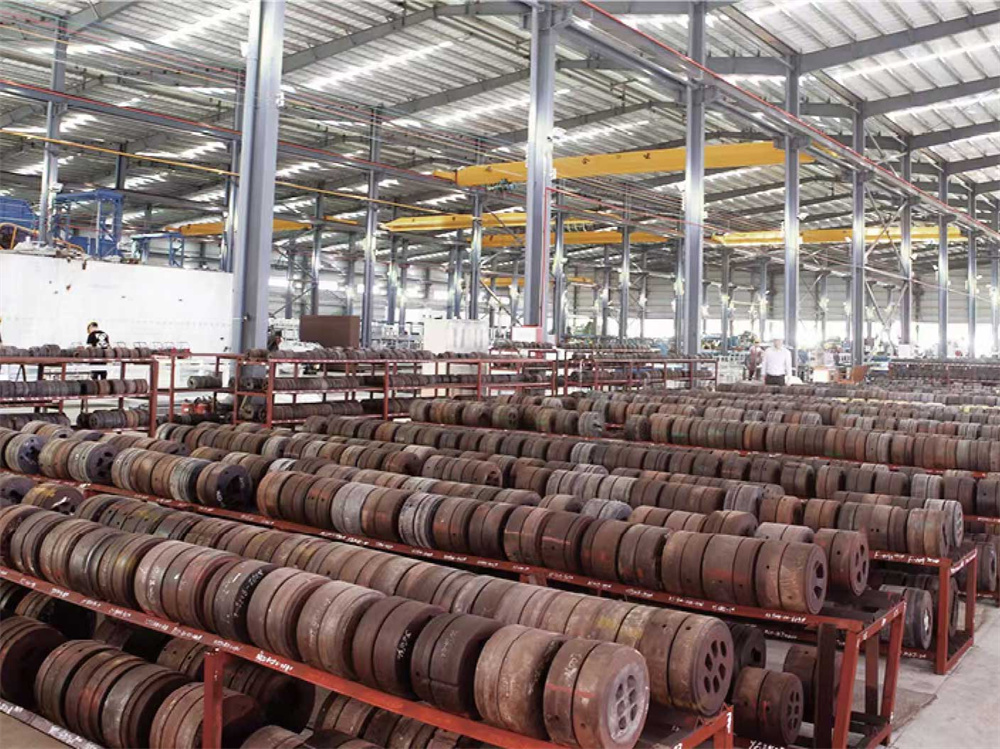
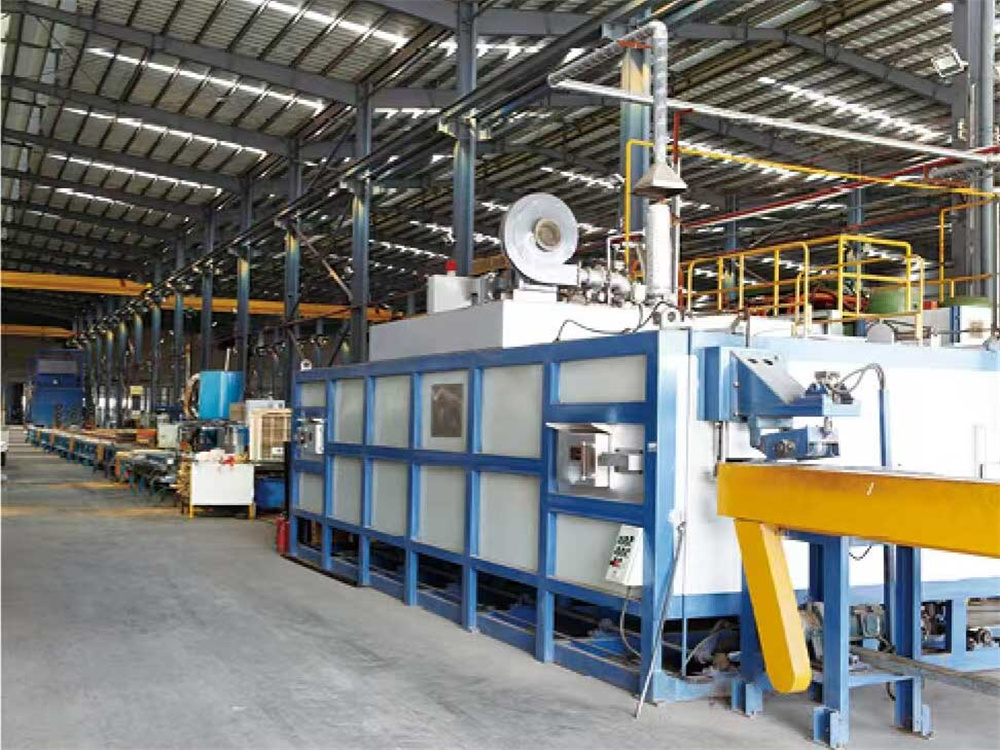
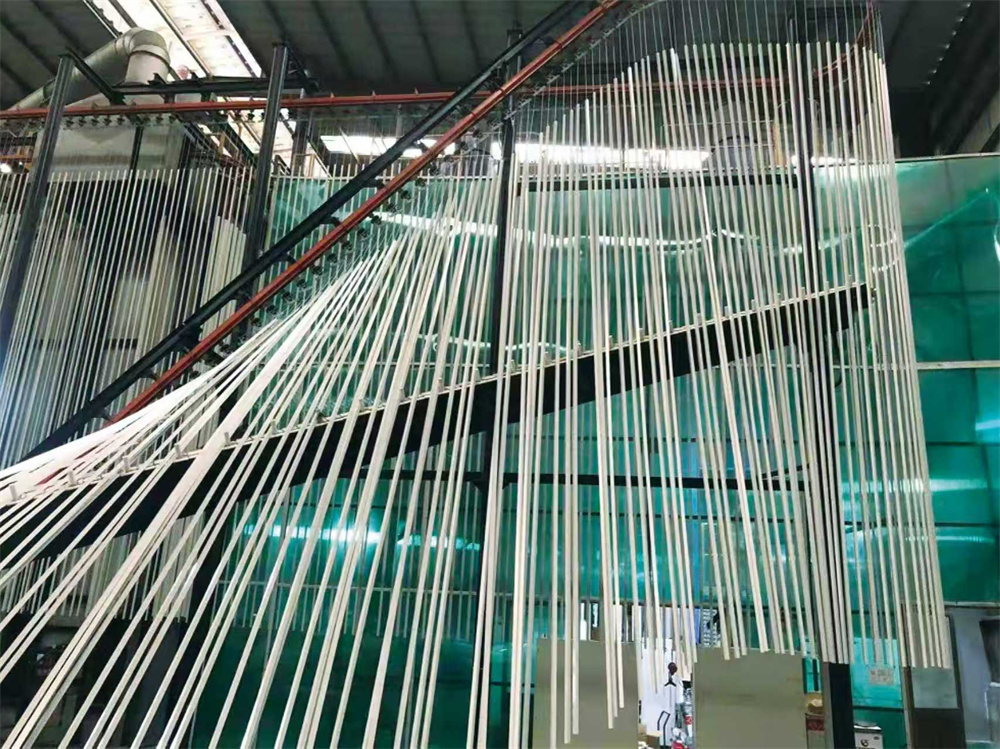
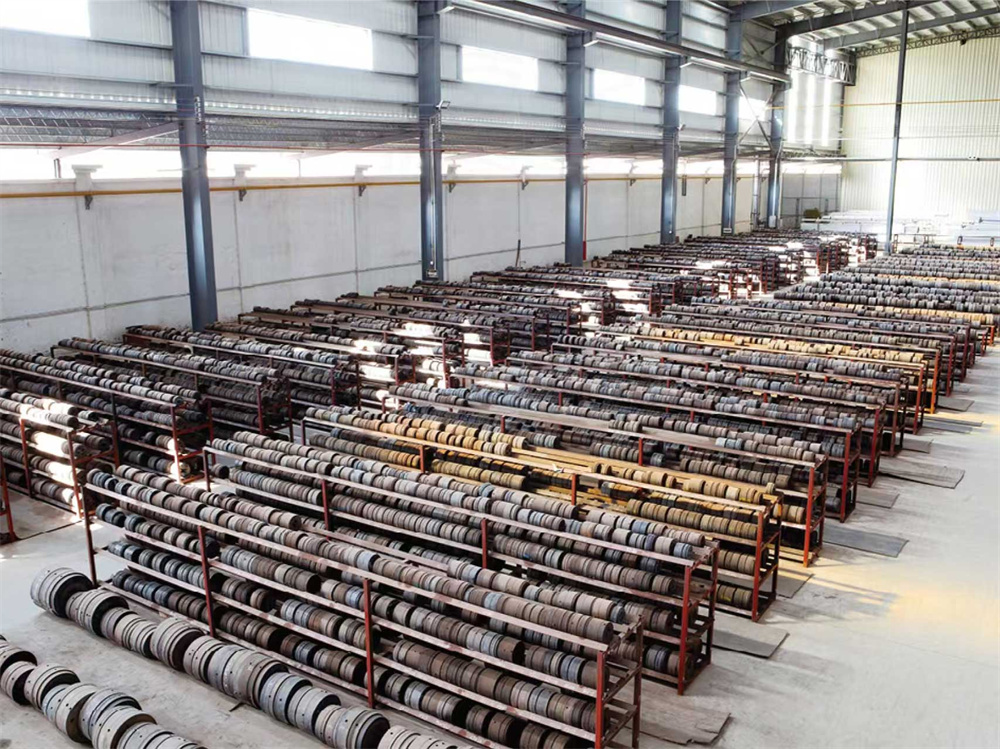
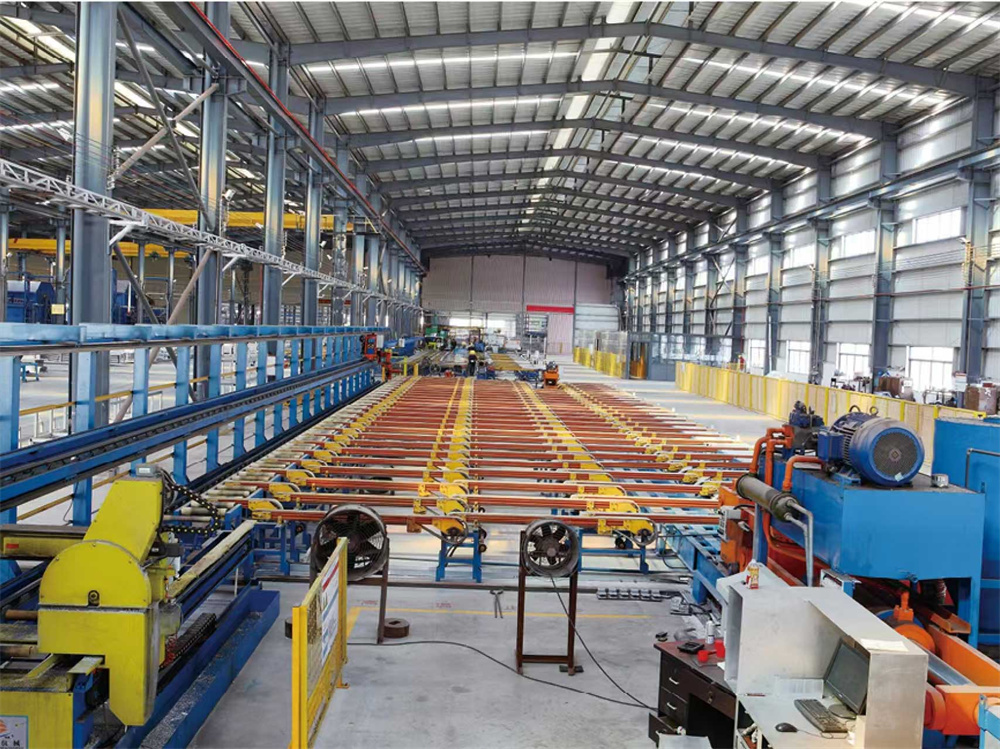
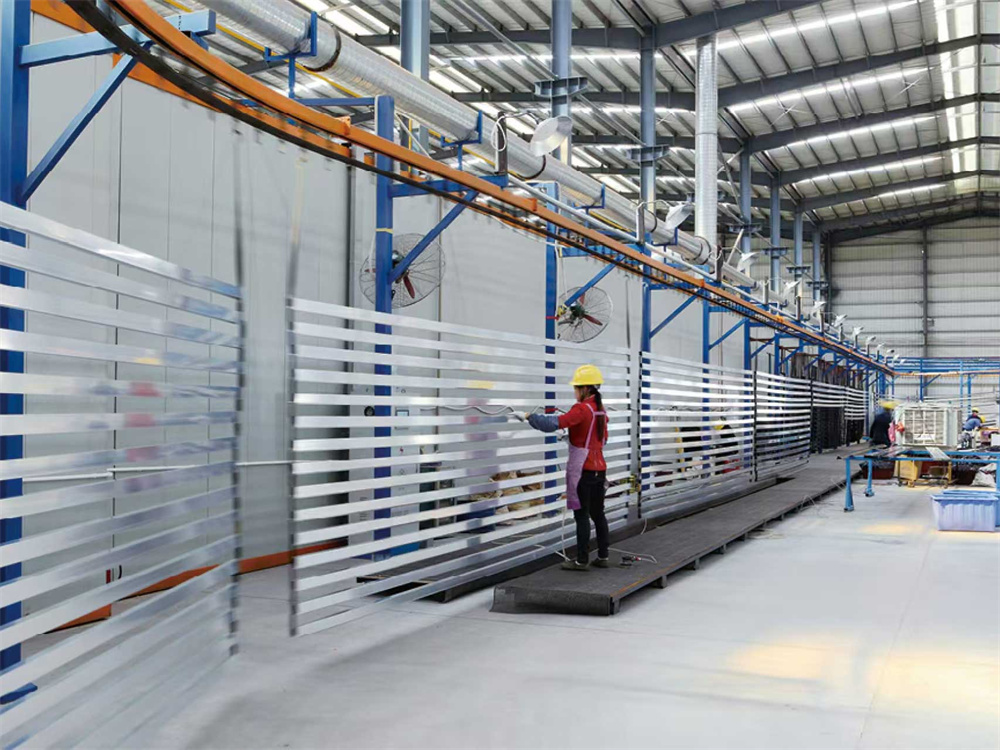
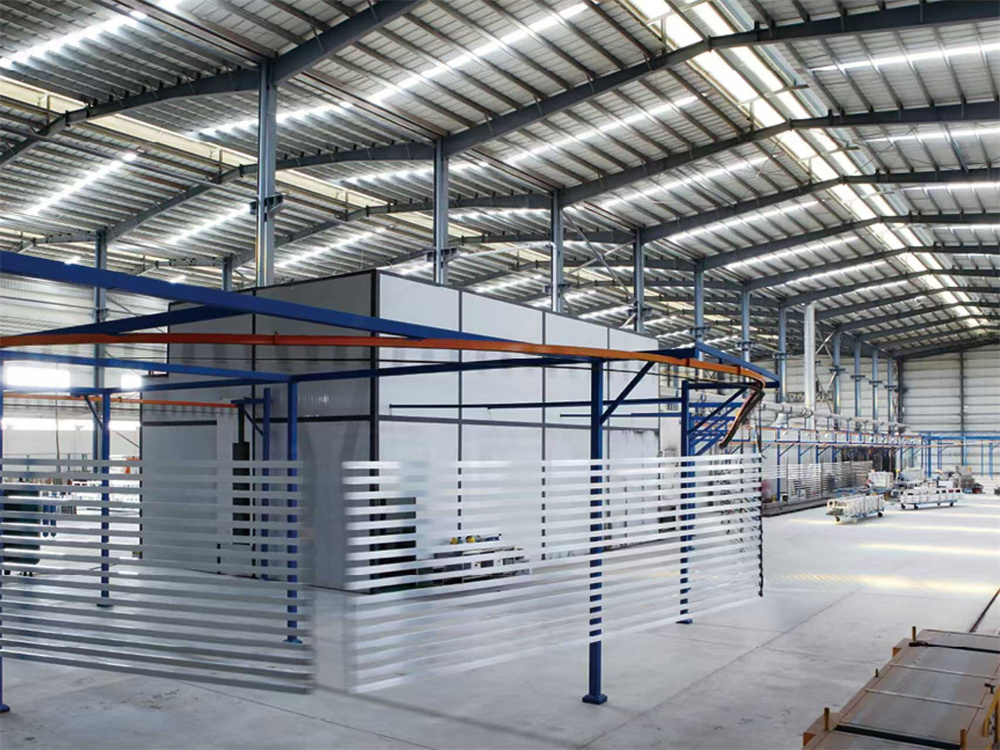
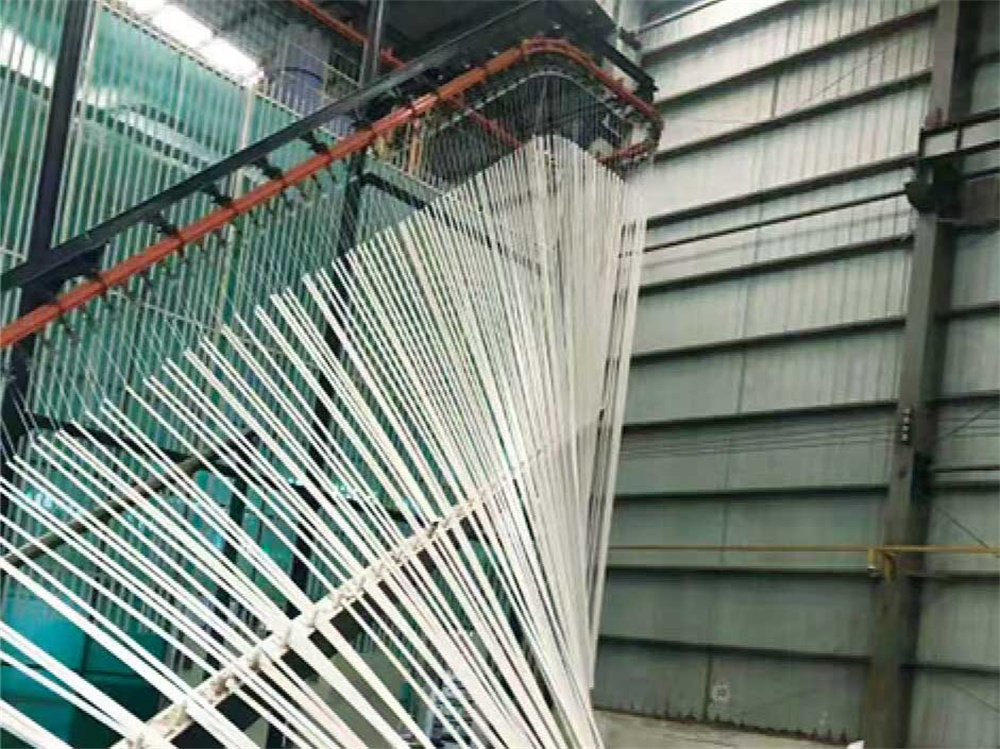
Our brand is "Aolijie", which owns 4 production bases and is equipped with advanced production lines, including extrusion equipment ranging from 900 tons to 2000 tons, surface treatment production lines for power coating, Anodizing, Electrophoretic Coating, PVDF coating, wood grain, die production and CNC deep processing equipment. We also have a dedicated production base for aluminum doors and windows.
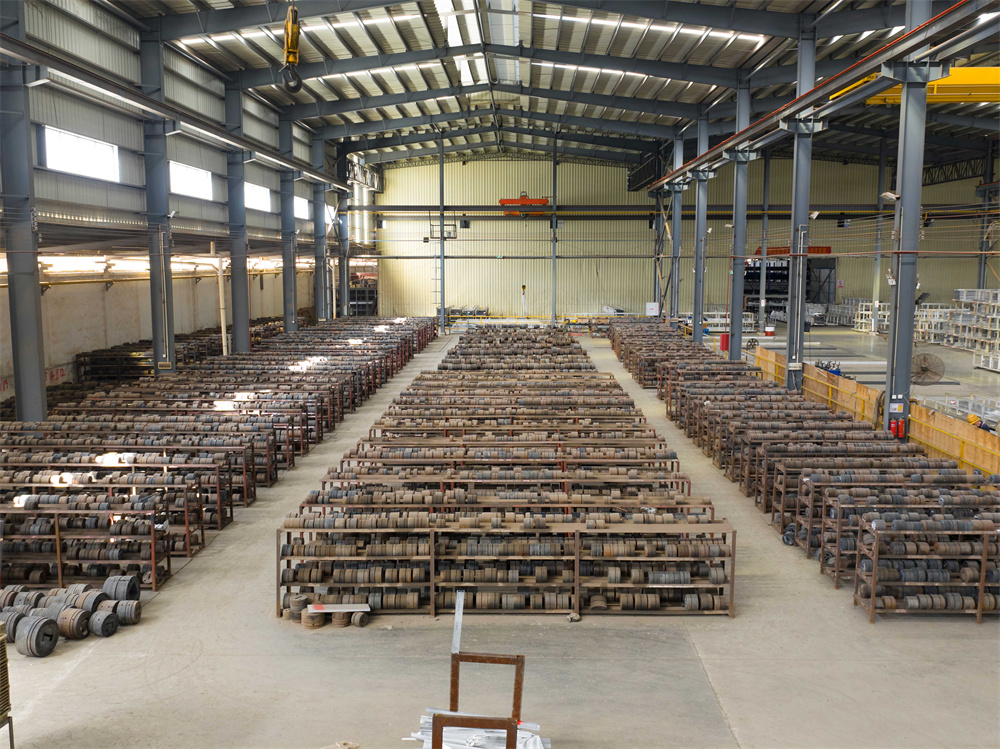
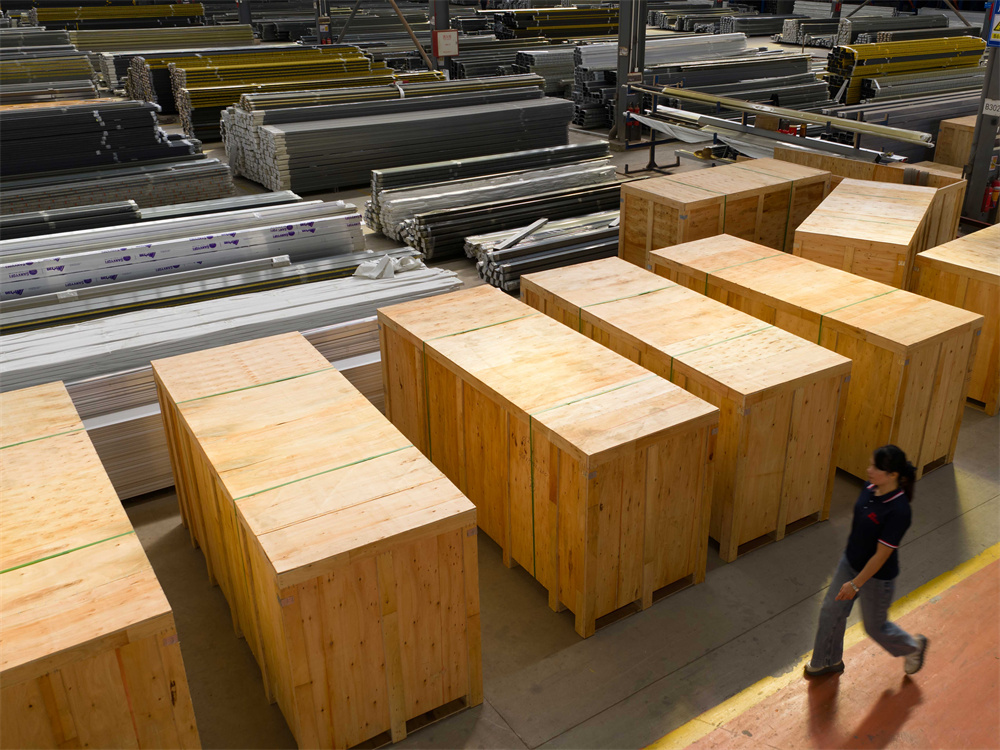
Our annual production capacity is 100,000 tons, with over 100,000 sets of our own molds. Our product covers more than 100 series and over 1,000 specifications. In order to meet the unique needs of customers and develop customized products, we have adopted internationally advanced technology in thermal break aluminum profiles and precision inspections. Our products have been successfully sold to countries and regions such as the Middle East, South America, Africa, Southeast Asia, and are now fully optimized for the demanding Japanese market.
Advanced production lines ensuring the highest quality standards for the Japanese market.


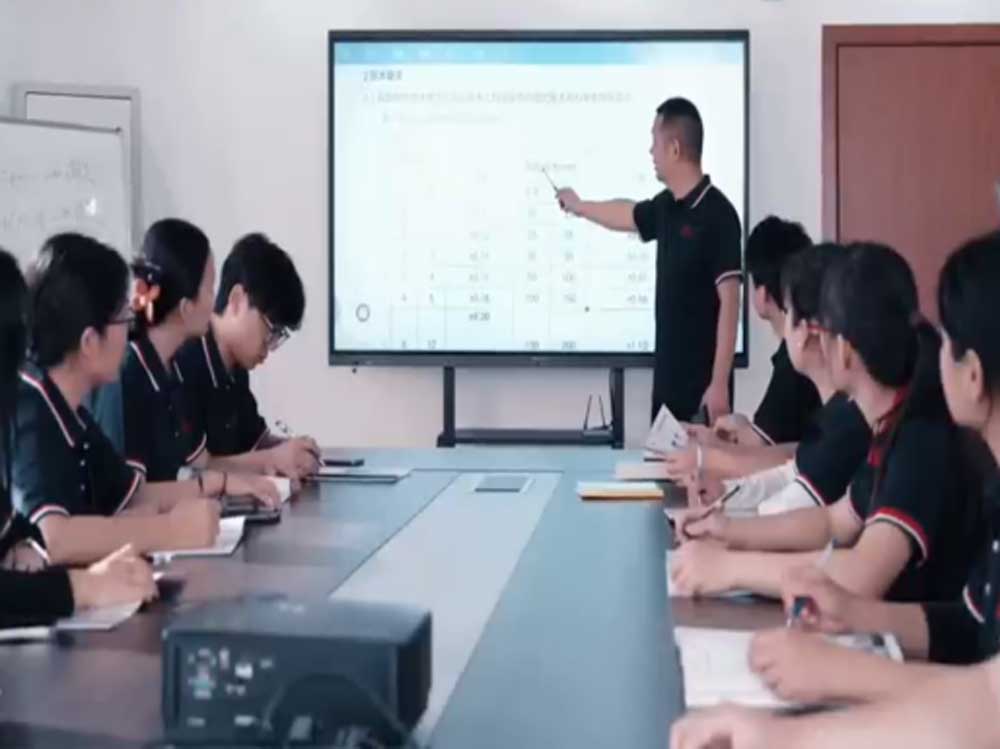
Our dedicated international team is ready to provide tailored extrusion solutions, OEM/ODM services, and technical support to meet the exacting standards of Japanese architecture and industry.