+86 18029386403
Japan's aluminum industry stands as a cornerstone of the nation's manufacturing excellence, with slim profile aluminum products playing an increasingly vital role across multiple sectors. The Japanese market for aluminum profiles has experienced consistent growth, driven by the country's commitment to sustainable construction, advanced automotive manufacturing, and cutting-edge electronics production.
The demand for slim profile aluminum in Japan is particularly strong in urban centers like Tokyo, Osaka, and Nagoya, where space optimization and weight reduction are critical factors. Japanese manufacturers have embraced slim profile technology to meet stringent building codes, enhance energy efficiency, and support the nation's carbon neutrality goals by 2050.
With over 17 years of industry experience, our manufacturing capabilities align perfectly with Japan's quality standards and precision requirements. The Japanese market's preference for high-performance, lightweight materials has created substantial opportunities for slim profile aluminum applications in residential construction, commercial buildings, transportation infrastructure, and industrial automation systems.
All our slim profile aluminum products meet Japanese Industrial Standards (JIS), ensuring compatibility with local construction regulations and building codes throughout Japan.
Engineered specifically for Japan's seismic requirements, our slim profiles offer superior strength-to-weight ratios, crucial for earthquake-resistant construction standards.
Supporting Japan's environmental initiatives with 100% recyclable aluminum profiles and energy-efficient production processes aligned with the country's green building standards.
The Japanese aluminum profile industry is experiencing transformative changes driven by technological innovation, environmental consciousness, and evolving market demands. Several key trends are shaping the future of slim profile aluminum manufacturing and applications in Japan:
Japanese manufacturers are increasingly adopting Industry 4.0 technologies, incorporating IoT sensors, AI-driven quality control, and automated production lines. This digital revolution enables precise customization of slim profile aluminum products while maintaining the high quality standards Japan is renowned for. Smart factories in regions like Aichi and Hyogo prefectures are setting new benchmarks for efficiency and precision in aluminum extrusion.
Japan's automotive industry, led by major manufacturers in Toyota City and surrounding areas, is rapidly transitioning to electric vehicles. This shift has created unprecedented demand for lightweight slim profile aluminum components for battery housings, thermal management systems, and structural elements. The EV market in Japan is projected to grow by over 30% annually, directly benefiting aluminum profile manufacturers who can deliver high-performance, lightweight solutions.
With Japan's commitment to achieving carbon neutrality, the construction sector is prioritizing sustainable materials. Slim profile aluminum's recyclability, durability, and energy efficiency make it ideal for green building projects. Tokyo's urban redevelopment projects and Osaka's smart city initiatives extensively utilize aluminum profiles in curtain walls, window systems, and architectural features that maximize natural light while minimizing energy consumption.
Japanese manufacturers are pioneering new anodizing and coating technologies that enhance the corrosion resistance and aesthetic appeal of slim profile aluminum. These innovations are particularly valuable in coastal cities like Fukuoka and Sendai, where salt exposure demands superior protective finishes. Advanced treatments also enable customization for specific architectural visions while maintaining structural integrity.
Japan's electronics industry continues to demand increasingly compact and precise aluminum profiles for smartphones, laptops, and other consumer electronics. Manufacturers in technology hubs like Kawasaki and Hamamatsu are developing ultra-slim profiles with tolerances measured in microns, supporting Japan's position as a global leader in electronics manufacturing.
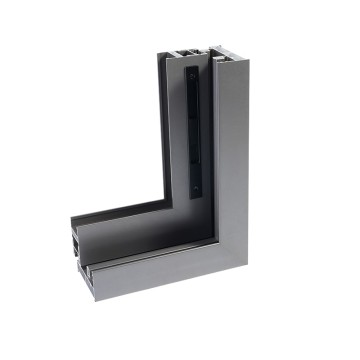
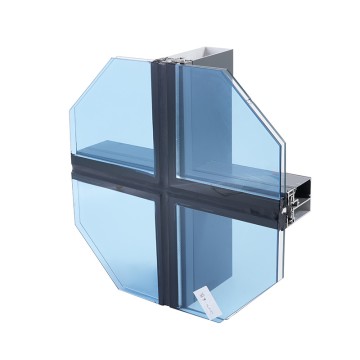
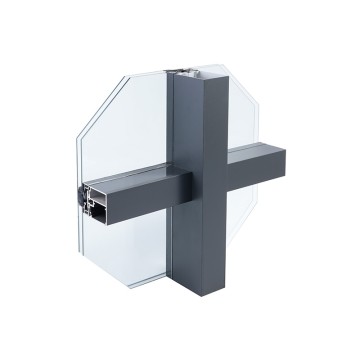
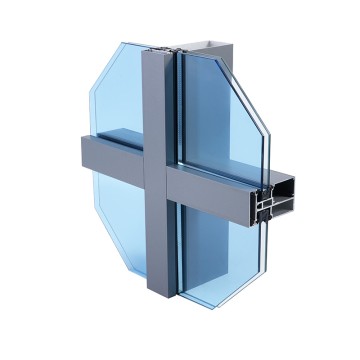
Slim profile aluminum is essential in Tokyo's skyline development, providing lightweight yet strong frameworks for curtain wall systems in skyscrapers. The material's seismic resistance and thermal efficiency make it ideal for the city's dense urban environment where building codes are among the world's strictest.
Japan's bullet train network utilizes slim profile aluminum in station architecture, platform coverings, and interior fittings. The material's corrosion resistance and low maintenance requirements are crucial for the high-traffic, high-performance demands of the Shinkansen system across the country.
Manufacturing facilities in Osaka's industrial zones employ slim profile aluminum for machine guards, conveyor systems, and clean room frameworks. The material's precision and compatibility with automated assembly systems support Japan's leadership in robotics and advanced manufacturing.
Even in historic Kyoto, slim profile aluminum finds applications in renovating traditional machiya townhouses and temples. Custom-finished profiles blend with traditional aesthetics while providing modern thermal insulation and structural support, preserving cultural heritage with contemporary performance.
Post-disaster reconstruction in Fukushima and surrounding regions extensively uses slim profile aluminum in solar panel mounting systems and wind turbine components. The material's durability and lightweight properties are essential for Japan's expanding renewable energy infrastructure.
Hospitals and medical facilities throughout Japan specify slim profile aluminum for clean room partitions, equipment housings, and hygienic surface applications. The material's easy sterilization and corrosion resistance meet strict healthcare standards while supporting Japan's advanced medical technology sector.
Our dedication to serving the Japanese market goes beyond simply exporting products. We understand the unique requirements of Japanese industries, from the precision demanded by electronics manufacturers to the seismic considerations essential for construction projects. Our engineering team collaborates closely with Japanese partners to develop customized slim profile solutions that address specific local challenges.
We maintain strategic inventory in key Japanese ports, ensuring rapid delivery to project sites across the archipelago. Our quality management systems align with Japanese expectations for consistency and reliability, with rigorous inspection protocols that exceed international standards. Every profile undergoes dimensional verification, surface quality assessment, and mechanical property testing before shipment.
Furthermore, we provide comprehensive technical documentation in Japanese, including CAD files, installation guides, and maintenance recommendations. Our customer service team includes Japanese-speaking specialists who understand local business practices and can provide prompt, culturally appropriate support for design consultation, specification selection, and after-sales service.
The future of slim profile aluminum in Japan appears exceptionally promising, driven by converging trends in sustainability, technological advancement, and demographic changes. As Japan continues its journey toward carbon neutrality, aluminum's recyclability and energy efficiency position it as a material of choice for next-generation construction and manufacturing.
The aging population and labor shortages in Japan are accelerating automation across industries, creating demand for lightweight, easy-to-install aluminum profiles that reduce construction time and physical labor requirements. Prefabricated building systems incorporating slim profile aluminum are gaining traction, particularly in residential construction where speed and quality are paramount.
Japan's 2025 Osaka-Kansai Expo and ongoing preparations for infrastructure upgrades present significant opportunities for aluminum profile applications. The expo's focus on sustainability and innovation aligns perfectly with the advantages of slim profile aluminum, potentially showcasing breakthrough applications that will influence global architectural trends.
Looking toward 2030, we anticipate continued growth in specialized applications such as hydrogen fuel cell vehicle components, advanced robotics frameworks, and next-generation telecommunications infrastructure. Japan's leadership in these emerging technologies ensures sustained demand for high-performance slim profile aluminum solutions that meet increasingly sophisticated technical requirements.