The Evolution of Slim Profile Aluminium Sliding Doors in Modern Architecture
In the realm of contemporary architectural design, the boundary between interior sanctuaries and exterior environments has completely dissolved. This transition is heavily driven by the emergence of slim profile aluminium sliding doors for outdoor structures. Historically, heavy timber or thick steel frames dominated structural glazing, often obstructing panoramic views and limiting natural light penetration. Today, precision-engineered aluminium alloys have revolutionized the fenestration industry. By offering unmatched structural integrity at a fraction of the profile width, aluminium allows architects to specify massive, floor-to-ceiling glass panes supported by interlocking sightlines as narrow as 20mm.
These minimalist sliding systems are no longer restricted to traditional residential patio entries. They are increasingly deployed in complex outdoor structures such as bioclimatic pergolas, luxury solariums, commercial pavilions, and wintergardens. The inherent strength of extruded aluminium (specifically 6063-T5 and T6 temper grades) ensures that even under severe wind loads, the structural deflection of the ultra-slim framing remains well within safe parameters. Consequently, property owners can enjoy uninterrupted vistas while remaining fully insulated from environmental extremes.
💡 Key Engineering Advantage: Structural Strength vs. Minimalist Aesthetics
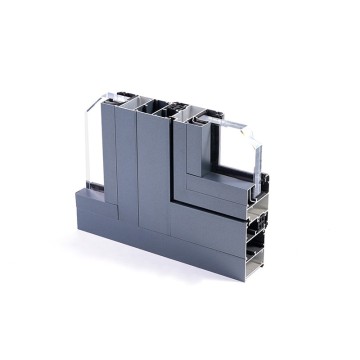
By utilizing advanced extrusion technologies, manufacturers can optimize the internal web geometry of aluminium profiles. This allows the frame to carry heavier, multi-layered insulated glass units (IGUs) while keeping the visible face width to an absolute minimum. The result is a glass-to-frame ratio that often exceeds 95%, maximizing biophilic design integration.
Commercial & Industrial Status of Minimalist Glazing Systems
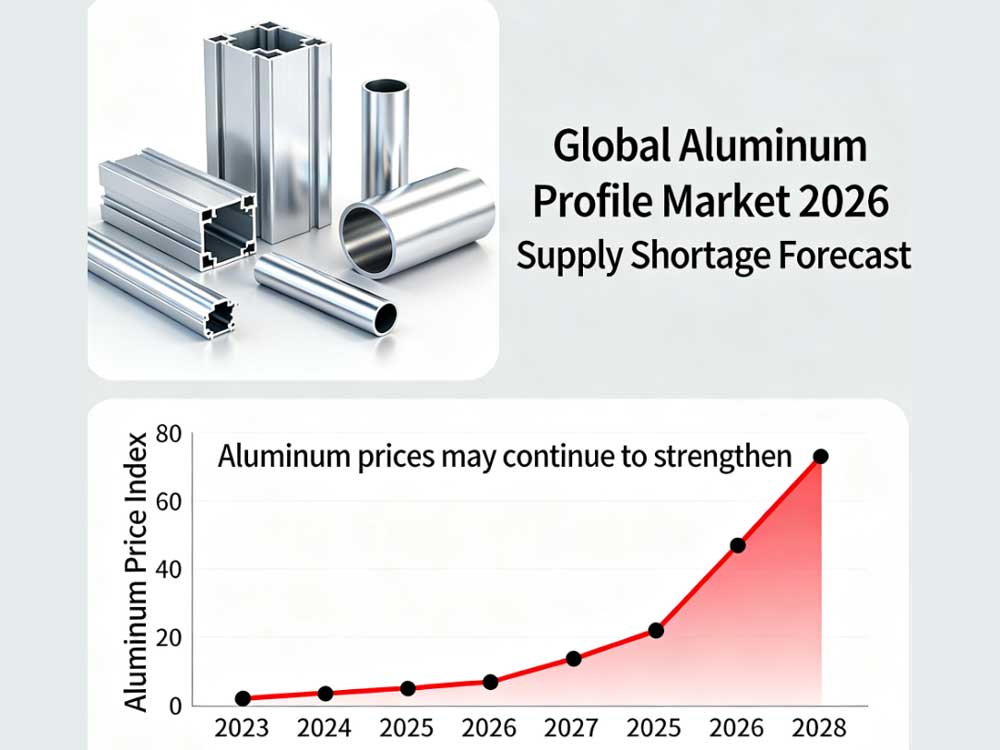
The global market for architectural aluminium extrusions is witnessing unprecedented growth, heavily supported by the rising popularity of high-end outdoor living spaces. According to recent industrial market analyses, the demand for premium sliding door systems has surged due to several macroeconomic factors:
-
The Rise of Biophilic Design: Modern commercial real estate developers and residential homeowners are prioritizing wellness, which translates directly to maximizing daylighting and seamless outdoor transitions.
-
Hospitality Sector Modernization: High-end hotels, rooftop bars, and beach resorts are investing heavily in convertible outdoor spaces. Slim profile aluminium sliding systems allow these venues to operate year-round, closing the doors during inclement weather without sacrificing the outdoor atmosphere.
-
Energy Efficiency Regulations: Strict building codes worldwide require advanced thermal performance. The industrial integration of structural thermal breaks (typically polyamide insulating strips) within the slim aluminium profiles ensures compliance with modern energy standards.
To meet this demand, extrusion facilities are adopting advanced automation, including high-tonnage extrusion presses, multi-axis CNC machining centers, and automated powder-coating lines. This allows for the production of highly customized, ultra-precise profiles that guarantee smooth, silent sliding operations even for panels weighing over 500 kilograms.
Deep Application Scenario Analysis for Outdoor Structures
The versatility of slim profile aluminium sliding doors allows them to perform exceptionally well across diverse, challenging environments. Below, we analyze four critical architectural scenarios where these systems excel:
1. Bioclimatic Pergolas & Luxury Gazebos
Bioclimatic pergolas with adjustable louvers represent the pinnacle of modern outdoor living. Integrating slim profile sliding glass walls around the perimeter transforms these structures into multi-seasonal rooms. Because outdoor pergolas are fully exposed to 360-degree weather elements, the sliding door profiles must feature exceptional wind-resistance and integrated water management. The slim frames provide a sleek, windbreaker barrier that blocks drafts and rain while maintaining the open-air feel of the garden or patio.
2. High-Performance Sunrooms & Solariums
Sunrooms require maximum solar heat gain during winter and efficient thermal insulation during summer. Standard sliding doors with bulky frames block sunlight and create thermal bridges. In contrast, slim profile thermal-break aluminium sliding doors utilize continuous glass spans paired with low-E, argon-filled double or triple glazing. This engineering ensures that the solarium remains thermally stable, comfortable, and energy-efficient throughout the year.
3. Commercial Alfresco Dining & Hospitality Pavilions
For restaurants and event venues, spatial flexibility directly impacts revenue. Slim profile sliding systems enable operators to instantly convert outdoor patio seating into indoor dining space. The primary challenge in commercial applications is high-frequency usage and physical security. Modern systems solve this by incorporating heavy-duty stainless steel carriage rollers, multi-point locking mechanisms, and flush, ADA-compliant sub-sill tracks that prevent tripping hazards while facilitating high foot traffic.
4. Coastal Residential Enclosures & Pool Houses
Coastal areas present some of the harshest conditions for architectural metals due to high salt spray, humidity, and extreme wind pressures. Aluminium sliding doors installed in pool houses or oceanfront residences require specialized surface treatments. Utilizing marine-grade anodizing or Qualicoat Class 2 powder-coating finishes ensures that the slim profiles resist filiform corrosion, chalking, and UV degradation, retaining their premium aesthetic and structural integrity for decades.
Advanced Material Science & Extrusion Technology
Achieving a ultra-slim profile without compromising safety requires deep expertise in metallurgy and precision extrusion. The choice of alloy is critical; 6063-T6 aluminium is the industry benchmark, providing the perfect balance of tensile strength, surface finish quality, and corrosion resistance.
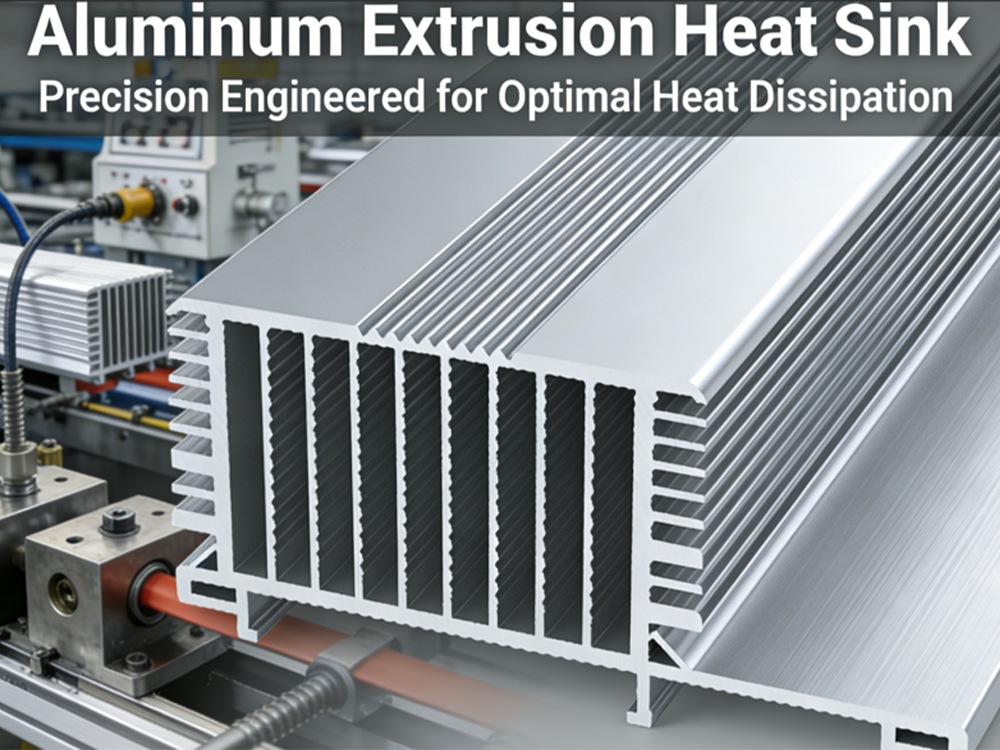
During the extrusion process, the metal is forced through custom-designed steel dies under immense pressure. For slim sliding doors, the profiles must maintain incredibly tight tolerances—often down to tenths of a millimeter—to ensure that the interlocking tracks, weather seals, and structural glazing gaskets align perfectly. Furthermore, the integration of structural thermal breaks is achieved by rolling high-strength, glass-fiber reinforced polyamide strips between the inner and outer aluminium profiles. This mechanical crimping creates a thermal barrier that prevents the conduction of heat and cold, eliminating condensation issues in humid environments.
🛠️ Heavy-Duty Hardware Integration
A slim sliding door is only as good as its hardware. To support massive glass panels with minimal visual obstruction, systems utilize bottom-rolling configurations with high-tensile stainless steel wheels riding on matching tracks. This distributes the weight evenly, allowing a user to slide a 400kg glass panel with a single finger.
Future Trends: Smart Integration and Sustainable Manufacturing
As we look toward the future of architectural glazing, two trends are dominating the industry: smart automation and green building standards.
Smart Automation: Modern luxury homes and commercial spaces are increasingly integrating automated sliding doors connected to home automation systems (such as Crestron, Lutron, or KNX). Concealed micro-motors can be integrated within the top track or sub-floor of the slim aluminium frame, allowing the doors to open via voice command, smartphone apps, or environmental sensors (e.g., closing automatically when rain is detected).
Sustainability: Aluminium is known as the "green metal" because it is 100% recyclable without any loss of quality. Leading manufacturers, including Aoli Aluminum, are utilizing recycled aluminium billets and low-carbon smelting processes powered by renewable energy. This significantly reduces the embodied carbon of the building envelopes, helping projects achieve prestigious green building certifications such as LEED and BREEAM.

 Contact WhatsApp
 Contact Phone
 Contact Email
 Wechat+8618029386470
 Whatsapp