inquiry
Leave Your Message

Profile Aluminum For Solar Energy Systems

High-Strength, Corrosion-Resistant Extruded Solutions for Global Photovoltaic Infrastructure

The Vital Role of Profile Aluminum in Solar Energy Systems

As the global energy paradigm rapidly shifts toward sustainable alternatives, solar energy has emerged as the cornerstone of clean electricity production. Beyond the photovoltaic cells that capture sunlight, the structural integrity and longevity of solar installations depend heavily on their mounting and framing infrastructure. Here, profile aluminum for solar energy systems plays an indispensable role. Extruded aluminum profiles provide the lightweight, durable, and highly customizable structural support required to sustain massive PV panels across diverse geographic and meteorological environments.

Modern solar farms and distributed generation projects face significant mechanical stresses, including high wind loads, seismic events, and heavy snow accumulation. Traditional steel framing, while strong, suffers from high weight penalties and susceptibility to atmospheric corrosion, requiring frequent maintenance. Extruded aluminum profiles, particularly those engineered from 6000-series alloys, present a superior alternative. By utilizing advanced extrusion processes, manufacturers can create complex cross-sectional geometries that optimize structural load distribution while minimizing material usage. This results in highly efficient structural frameworks that reduce transportation costs, accelerate installation times, and offer a service life that comfortably exceeds the 25-to-30-year operational span of modern solar panels.

💡 Industrial Growth Driver: Why Solar Designers Mandate Aluminum

The global solar mounting structure market is witnessing a major shift toward aluminum alloys. According to industry analyses, the demand for lightweight, high-performance structural components is driven by the rise of utility-scale projects in harsh coastal environments and the rapid expansion of rooftop commercial arrays where building load-bearing capacities are strictly limited.

Commercial & Industrial Status of Solar Extrusions

From a commercial standpoint, the demand for solar aluminum profiles is growing at an unprecedented compound annual growth rate (CAGR). As governments globally enforce strict decarbonization mandates, utility companies and private developers are scaling up photovoltaic capacities. This surge has placed aluminum extruders at the center of the renewable energy supply chain. The commercial viability of aluminum stems from its recyclability and low maintenance requirements. While the initial material cost of aluminum can be higher than raw steel, the total cost of ownership (TCO) is substantially lower. Aluminum requires no post-fabrication galvanization, is easier to machine on-site, and its reduced weight significantly lowers labor and shipping costs.

Industrially, the manufacturing of profile aluminum for solar energy systems has evolved from basic structural shapes to highly specialized, precision-engineered components. Modern extruders utilize state-of-the-art multi-ton press lines to produce profiles with integrated channels, screw ports, and interlocking mechanisms. These features allow for rapid, boltless assembly of solar arrays, reducing installation labor on-site. Furthermore, surface treatment technologies such as anodizing and PVDF coating are continually refined to ensure these profiles withstand high UV exposure, salt spray in coastal zones, and ammonia exposure in agricultural installations.

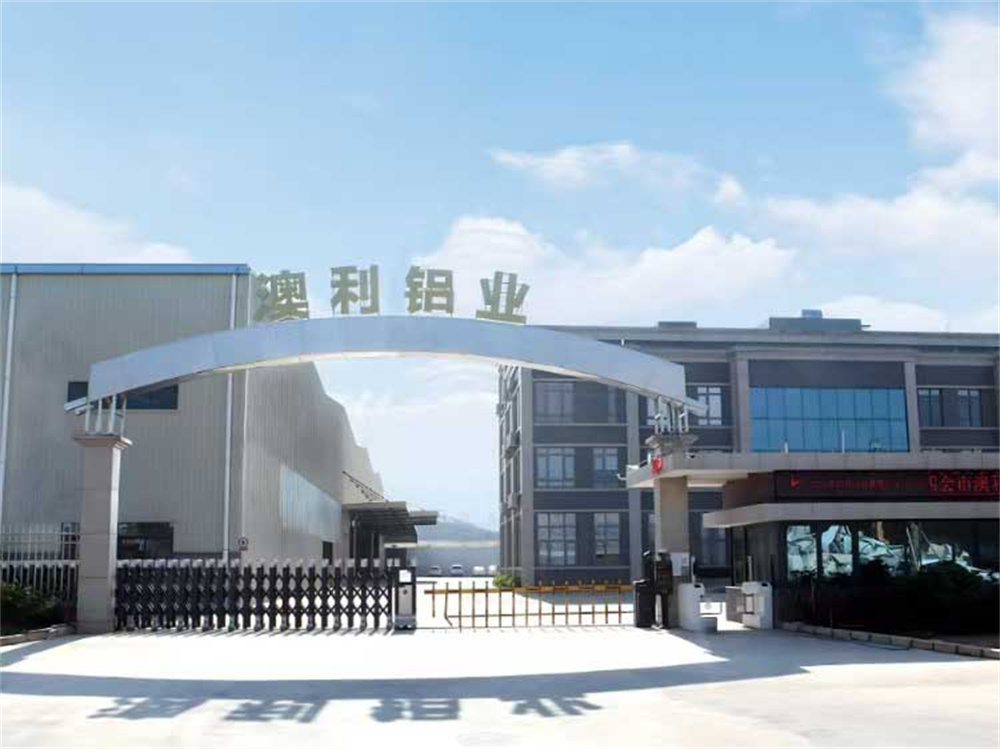
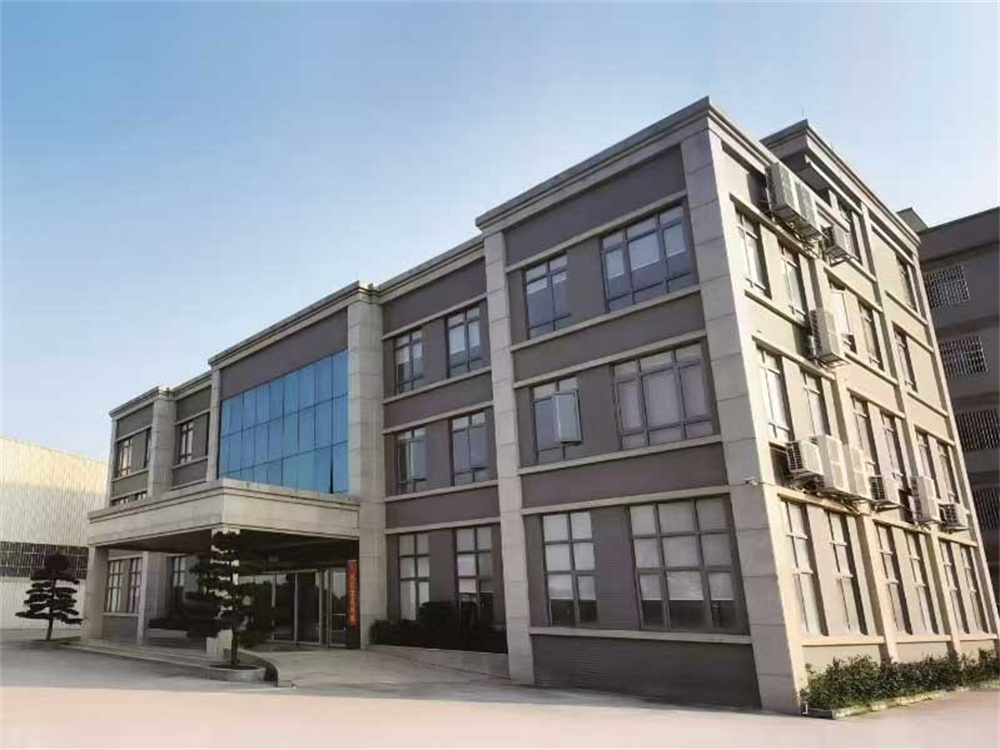
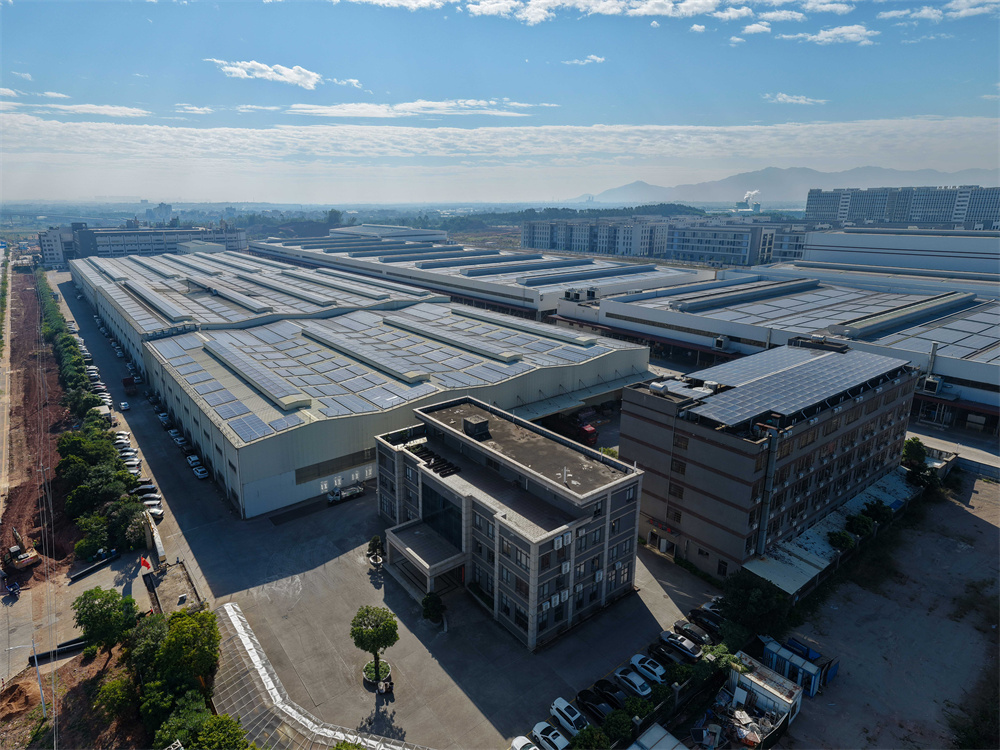
Aoli Aluminum Factory

Company Profile

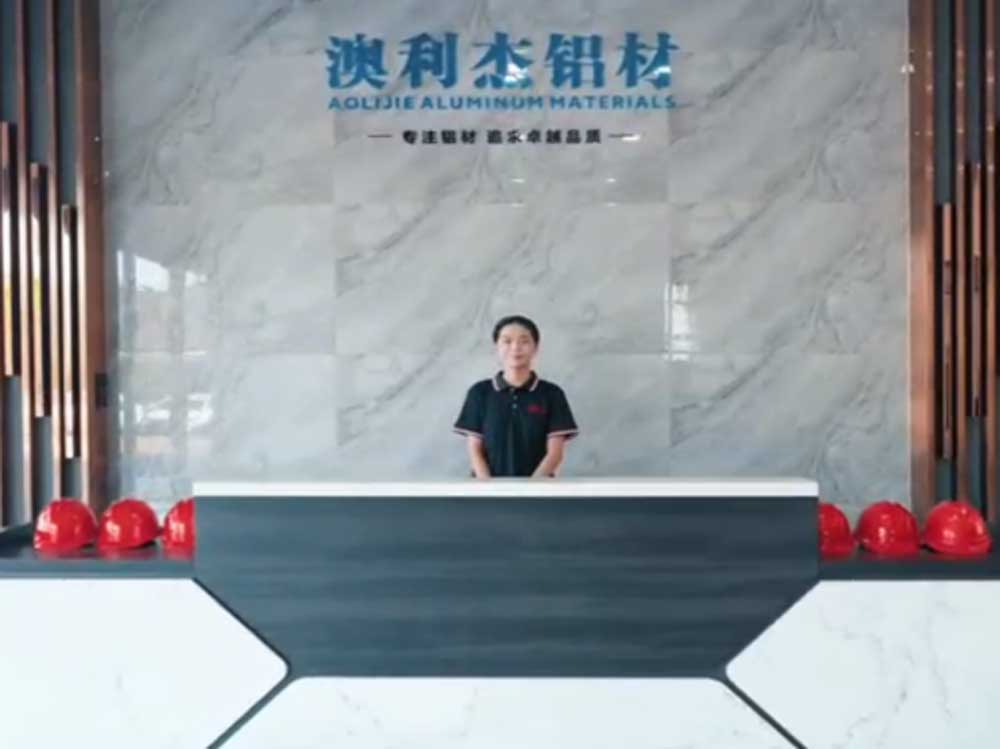
Aoli Aluminum was established in 2009 and is a manufacturer that integrates research and development, production, and sales. We specialize in manufacturing of aluminum alloy profiles for construction, decoration, and industry. Our headquarters are located in Sihui, Guangdong, with branch offices in Foshan, Guangdong, and a comprehensive ISO quality management system has been established.

Our Mission & Vision

"Our mission is building sustainable cities for the world. Committed to achieving a win-win situation for employees, customers, and society has always been our business vision."

Deep-Dive: Structural Applications in Solar Installations

⚙️

Tracking System Rails

Single-axis and dual-axis solar trackers rely on high-precision aluminum torque tubes and rails to rotate panels smoothly with the sun, maximizing solar yield.

🏢

BIPV Framing

Building-Integrated Photovoltaics combine architectural aesthetics with power generation. Custom profiles act as structural window frames and curtain walls.

🌊

Floating Solar (FPV)

Floating solar installations on reservoirs or marine environments demand highly anodized aluminum profiles to resist water corrosion and constant wave motion.

1. Ground-Mounted Utility-Scale Solar Farms

In utility-scale solar installations, thousands of PV panels are laid out across vast open terrains. The mounting structures must be engineered to withstand severe, site-specific environmental conditions. Profile aluminum is used extensively for horizontal beams, vertical supports, diagonal braces, and purlins. The extrusion process allows for the integration of internal reinforcement ribs, giving the profiles high bending and torsional stiffness without adding unnecessary weight. This lightweight nature is critical during site staging and assembly, allowing ground crews to handle long profile sections manually, reducing the reliance on heavy machinery and lowering overall deployment costs.

2. Commercial and Residential Rooftop Solar Arrays

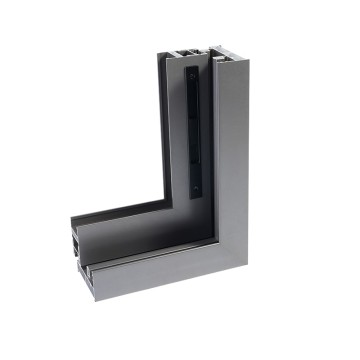
Rooftop solar installations impose strict weight limits on structural components to prevent overloading building roofs. Aluminum's high strength-to-weight ratio makes it the ideal material for rooftop mounting rails, mid-clamps, end-clamps, and L-feet brackets. Additionally, rooftop structures are subject to localized wind shear and turbulence. Custom-extruded aluminum rails can be engineered with specialized T-slots and channel nuts, which facilitate rapid panel alignment and secure fastening. This structural efficiency ensures that the solar array remains anchored under extreme wind conditions while preserving the integrity of the underlying roof structure.

3. Building-Integrated Photovoltaics (BIPV)

BIPV represents the cutting edge of urban solar integration, where solar cells are embedded directly into building materials such as curtain walls, facades, and skylights. This application demands aluminum profiles that serve dual purposes: acting as architectural framing elements and providing the electrical pathways and structural support for the embedded solar cells. These profiles must meet strict building codes for structural deflection, thermal insulation, and weatherproofing. Through advanced extrusion techniques, custom profiles can be designed with thermal breaks and internal wiring channels, seamlessly blending structural performance with clean energy generation.

Our Manufacturing Capabilities & Strengths

What We Offer

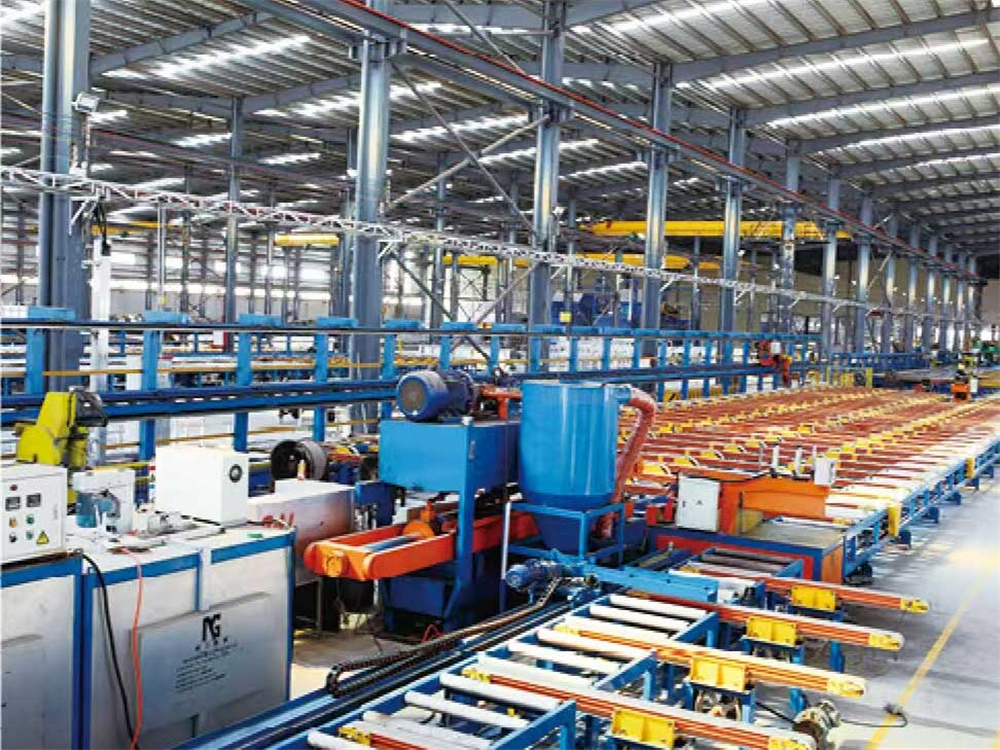
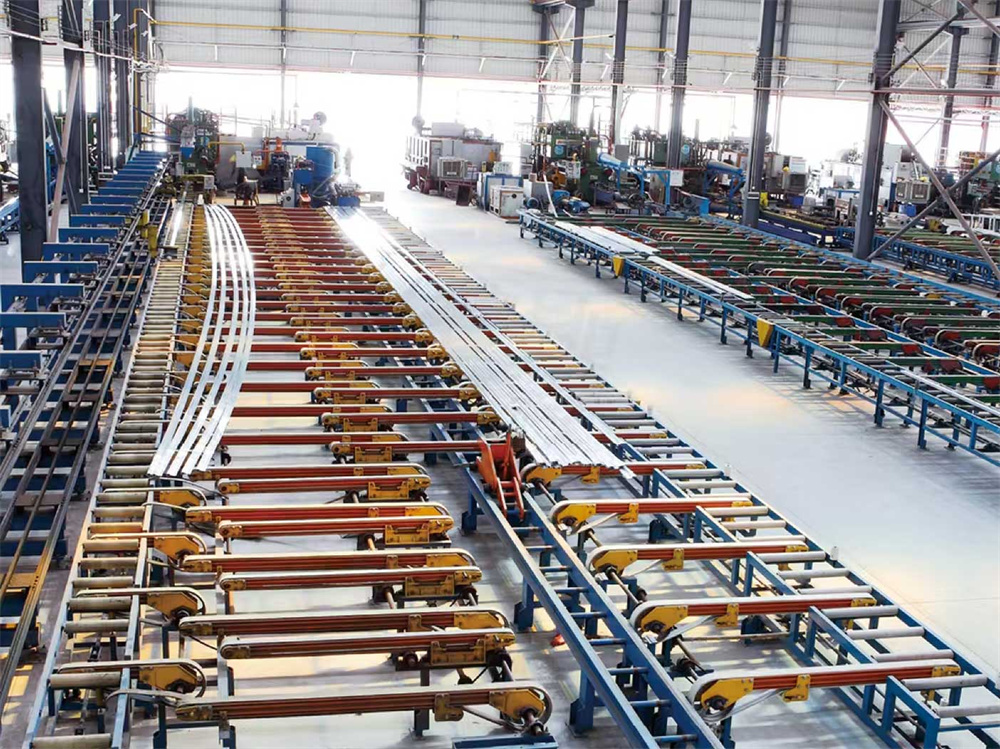
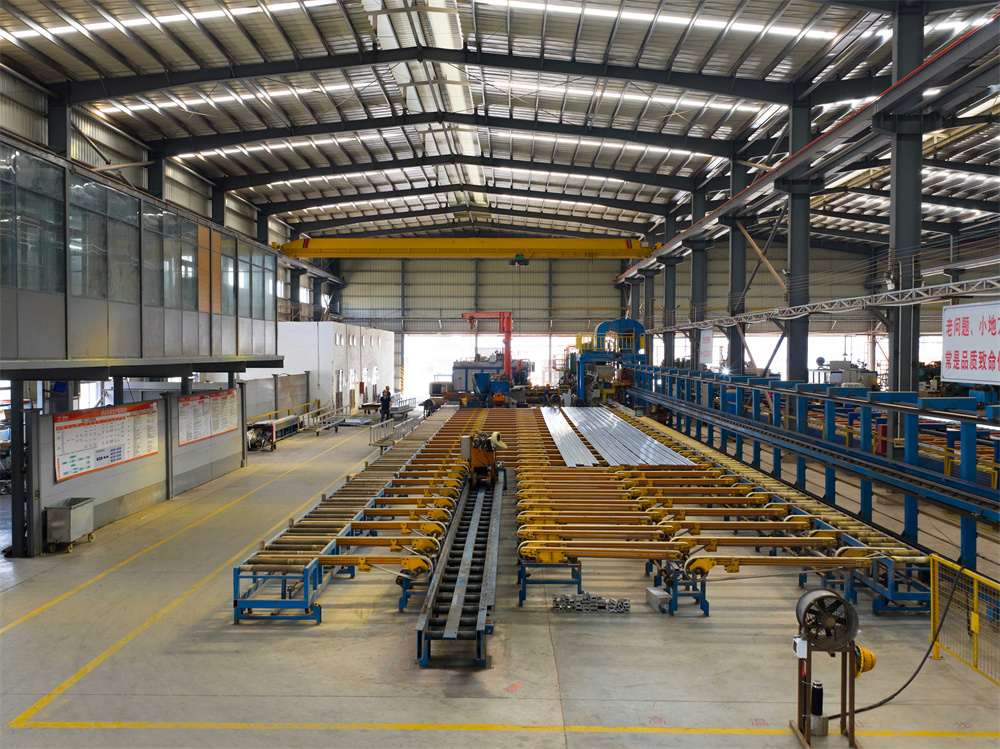
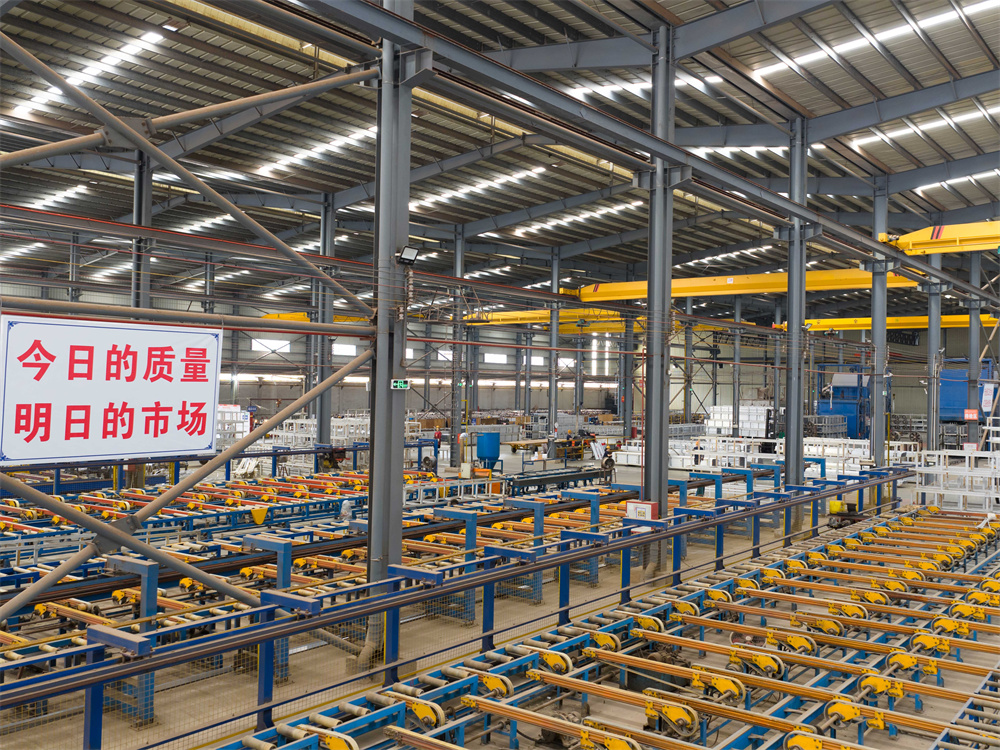
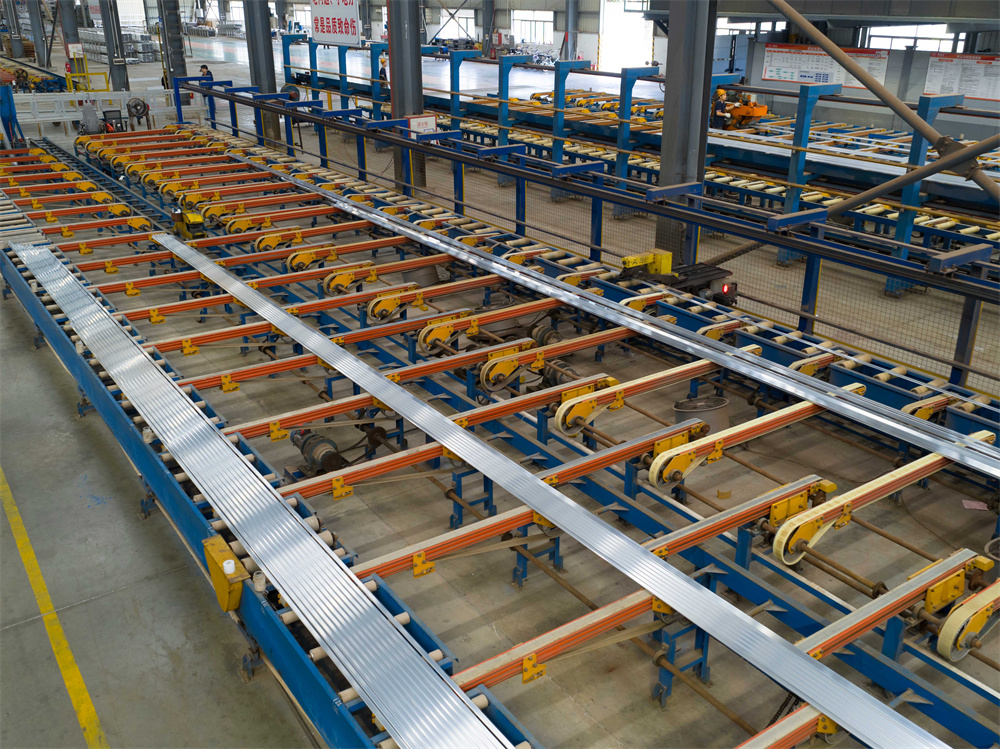
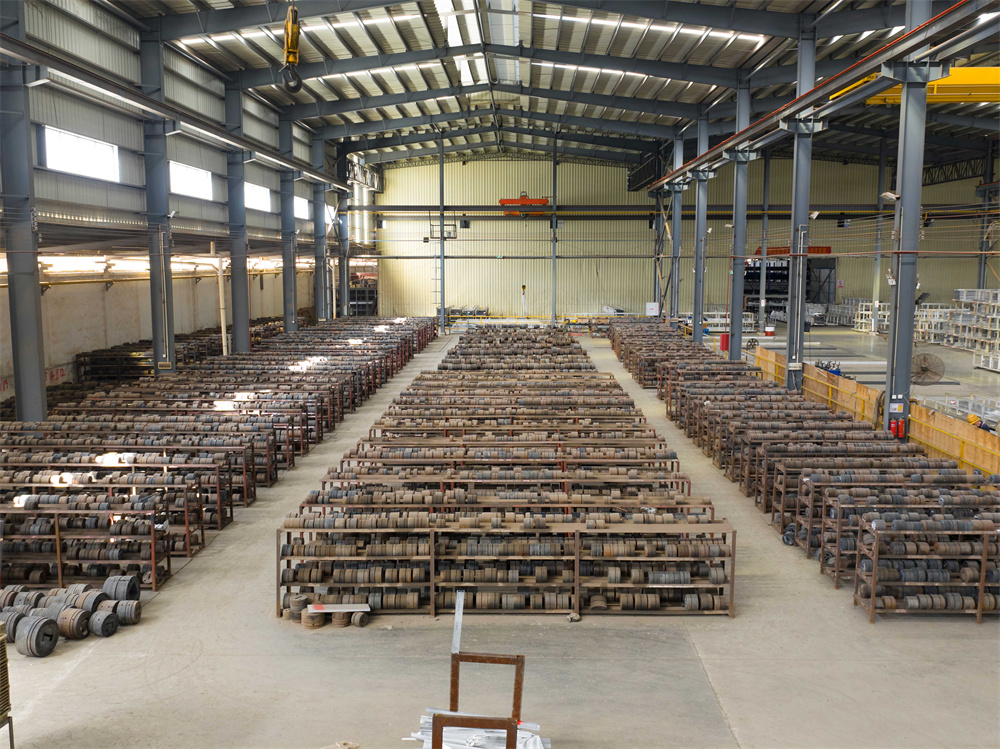
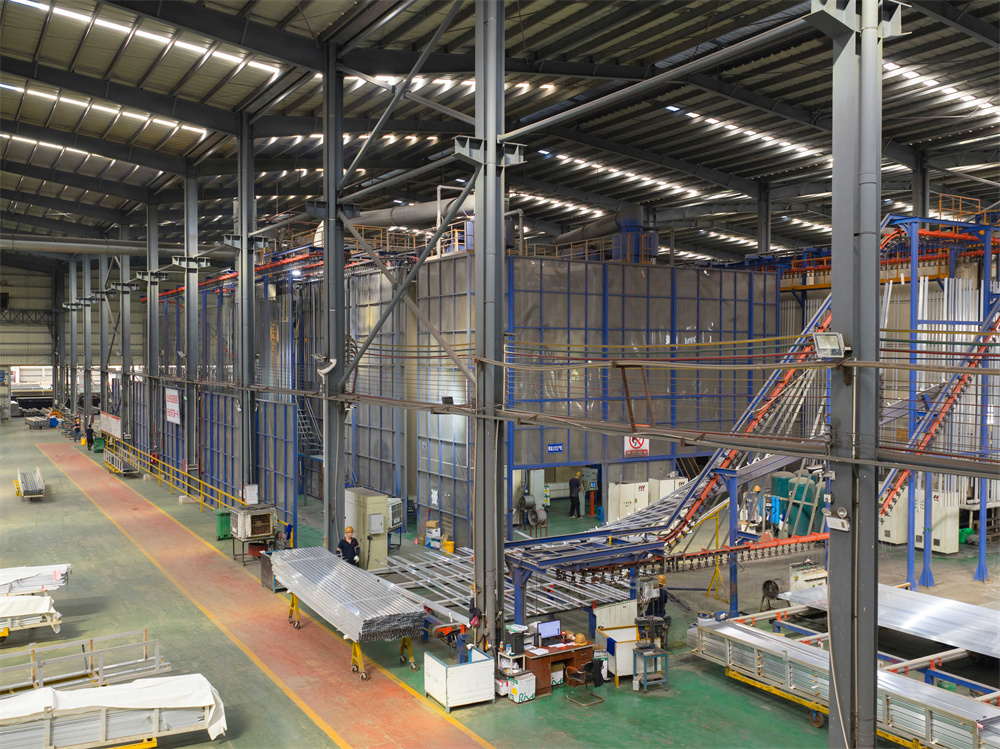
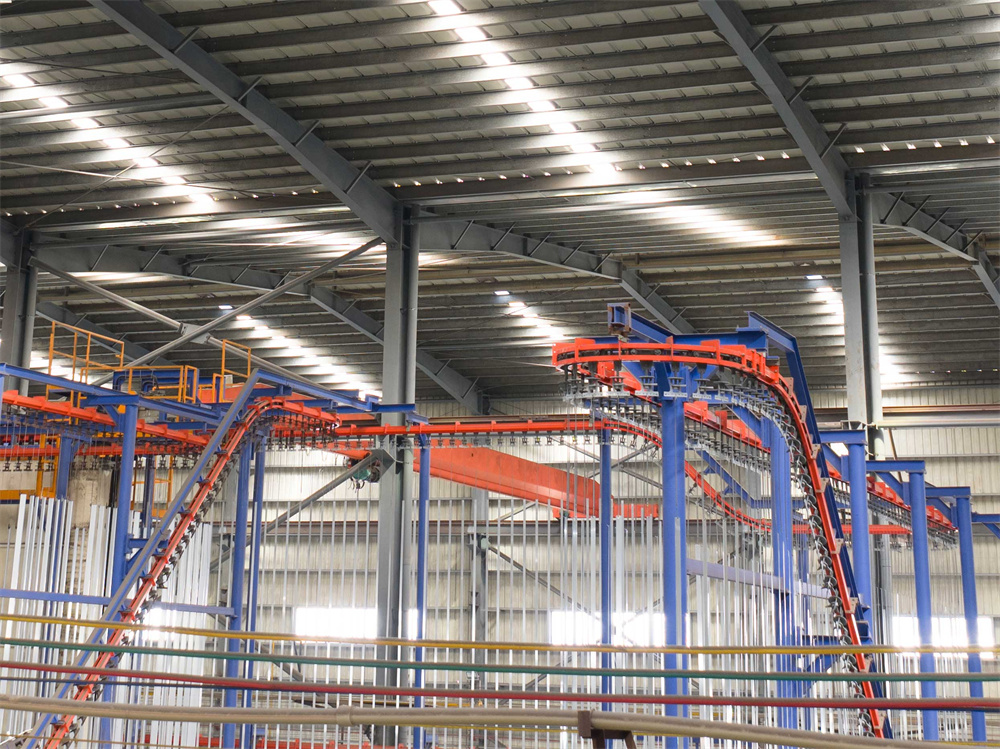
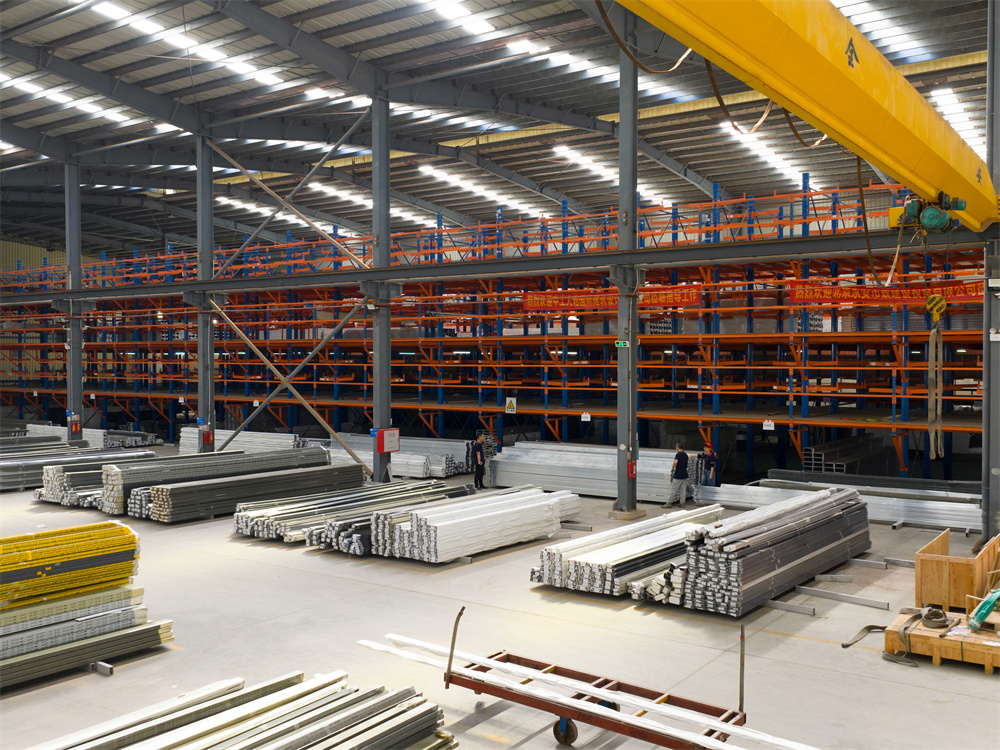
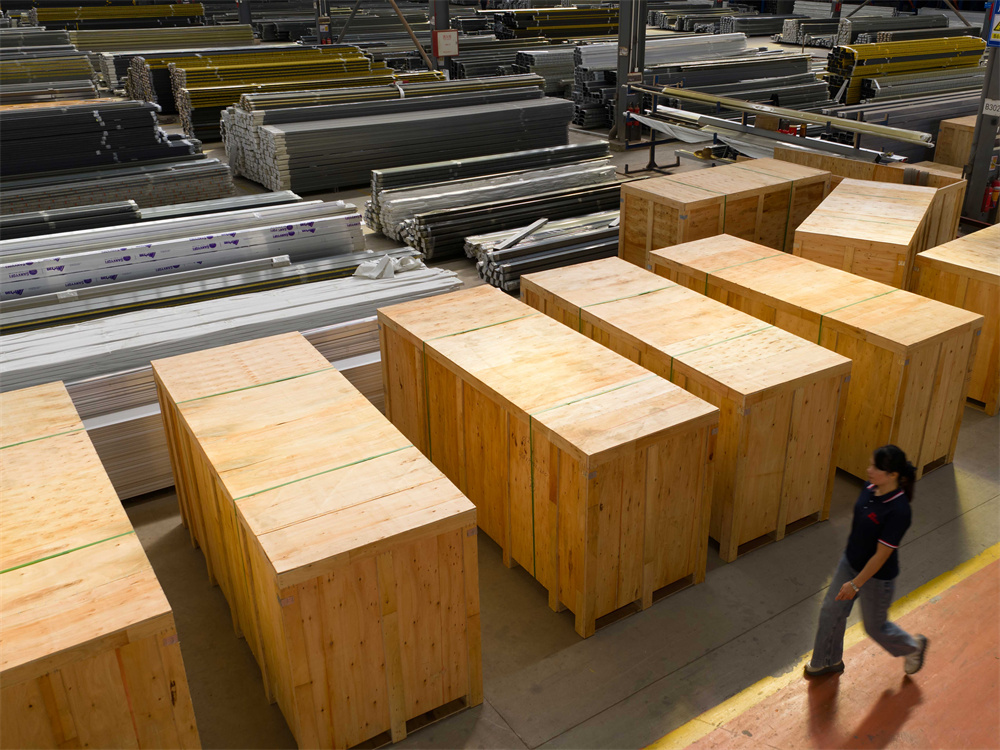
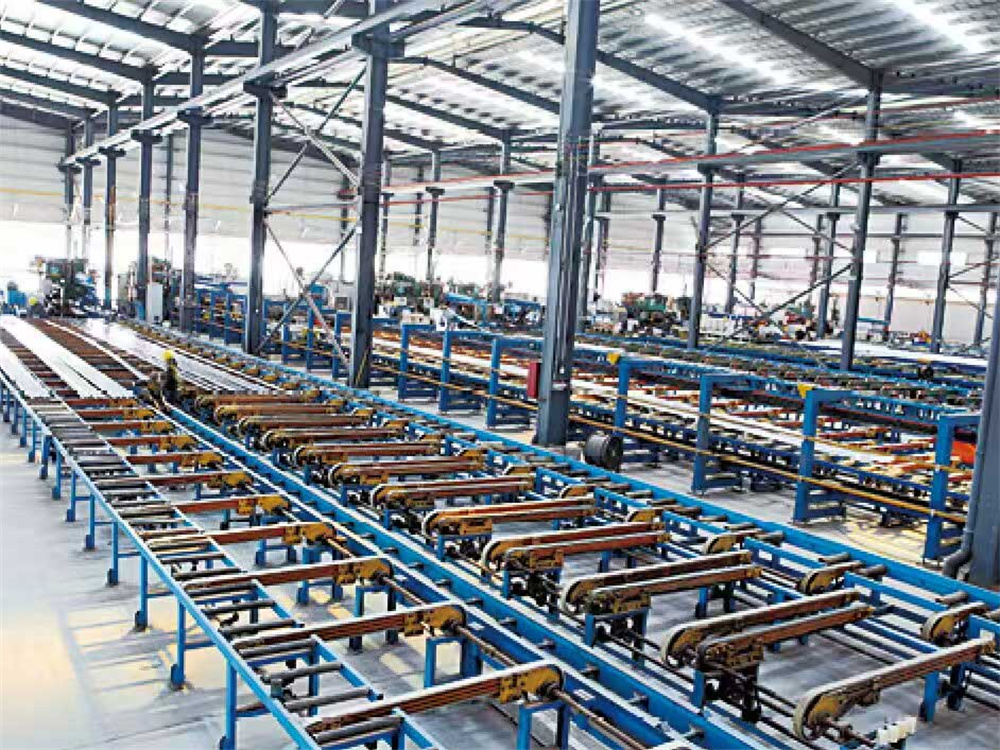
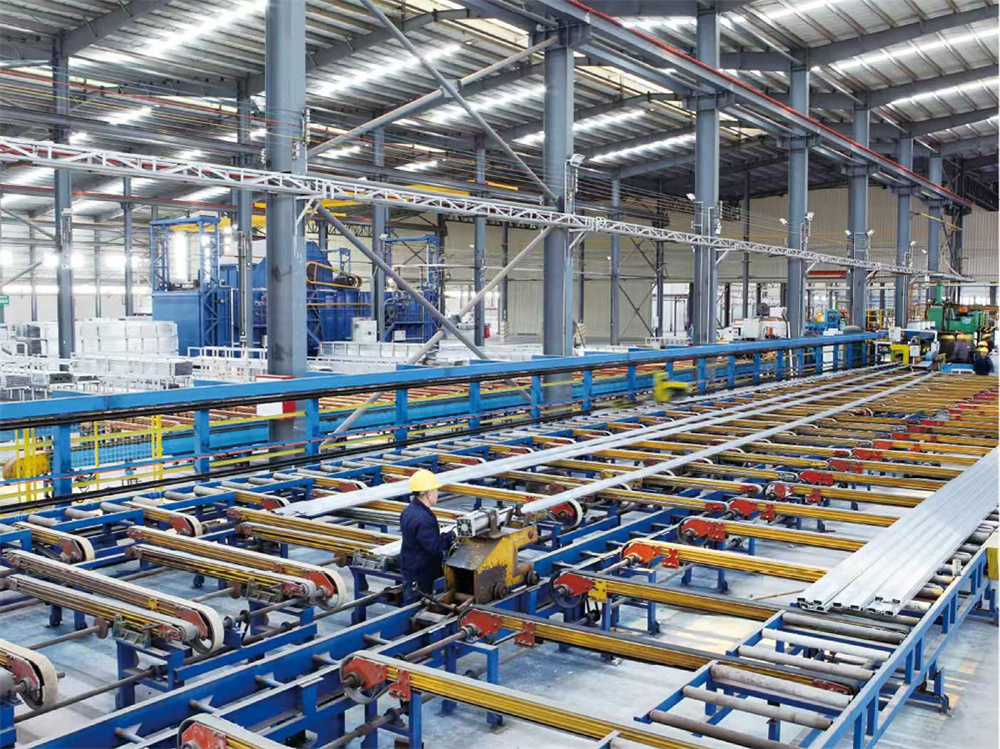
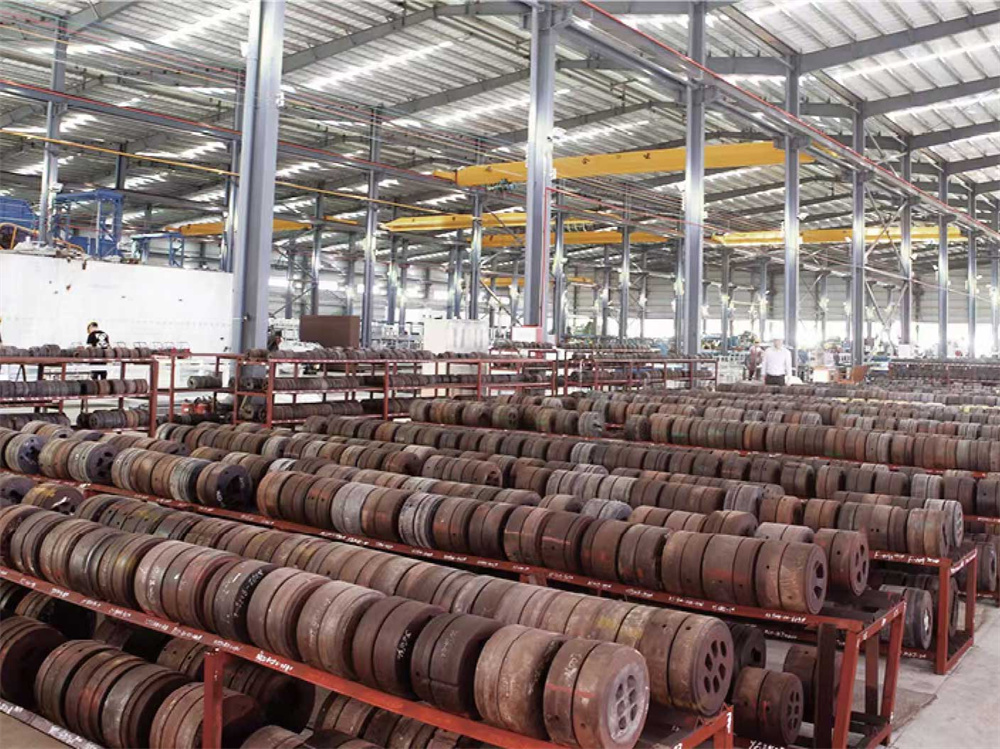
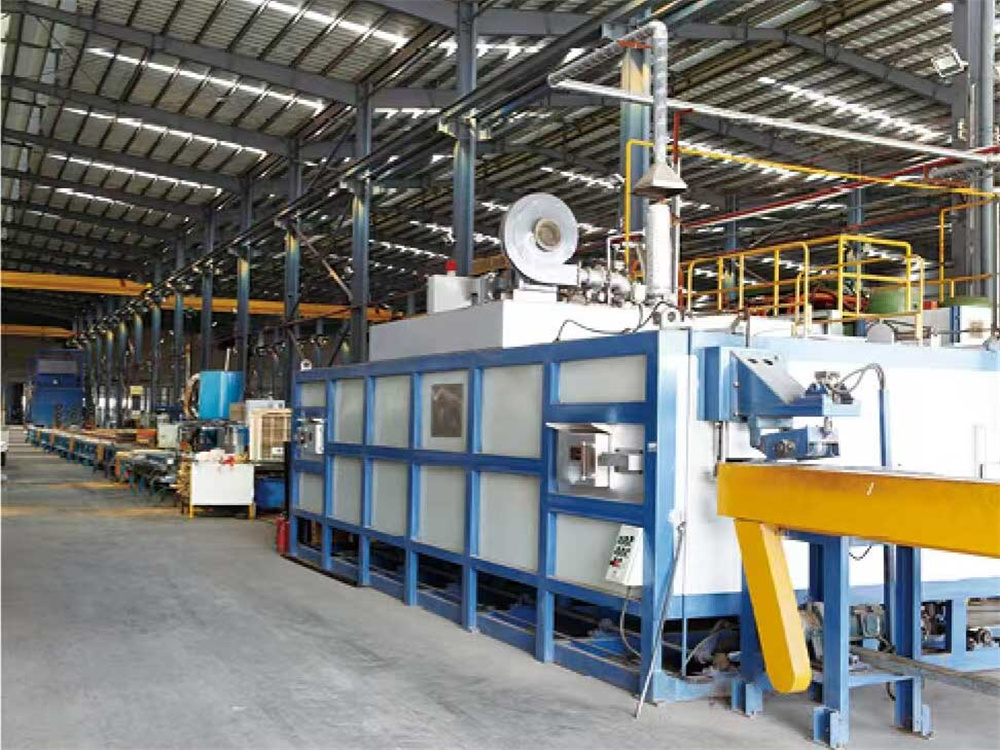
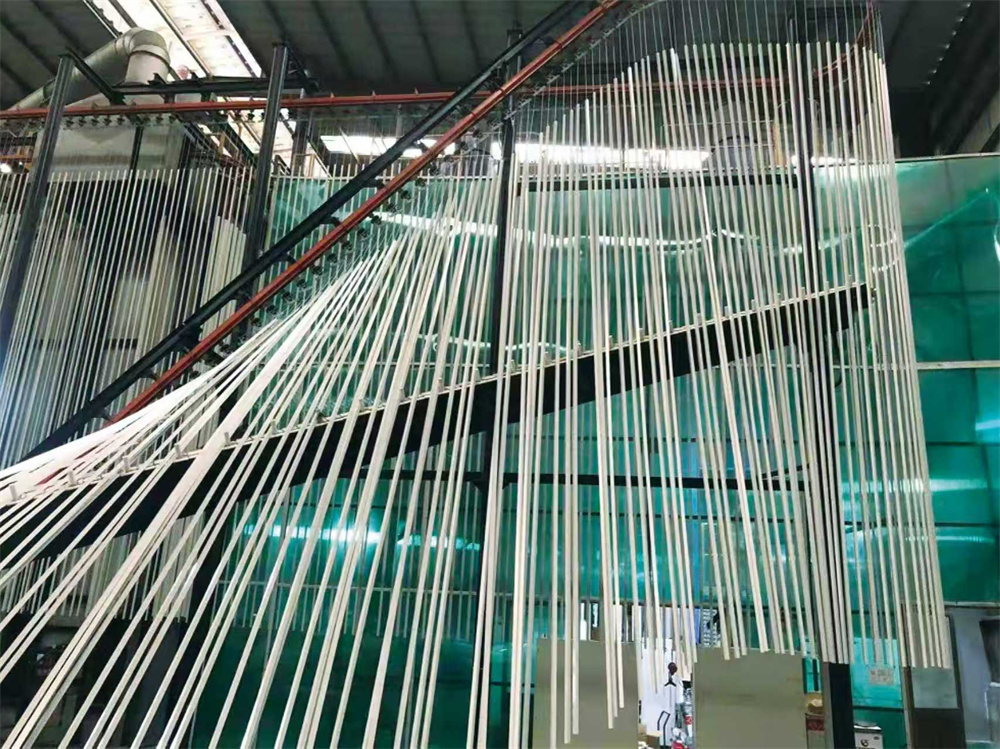
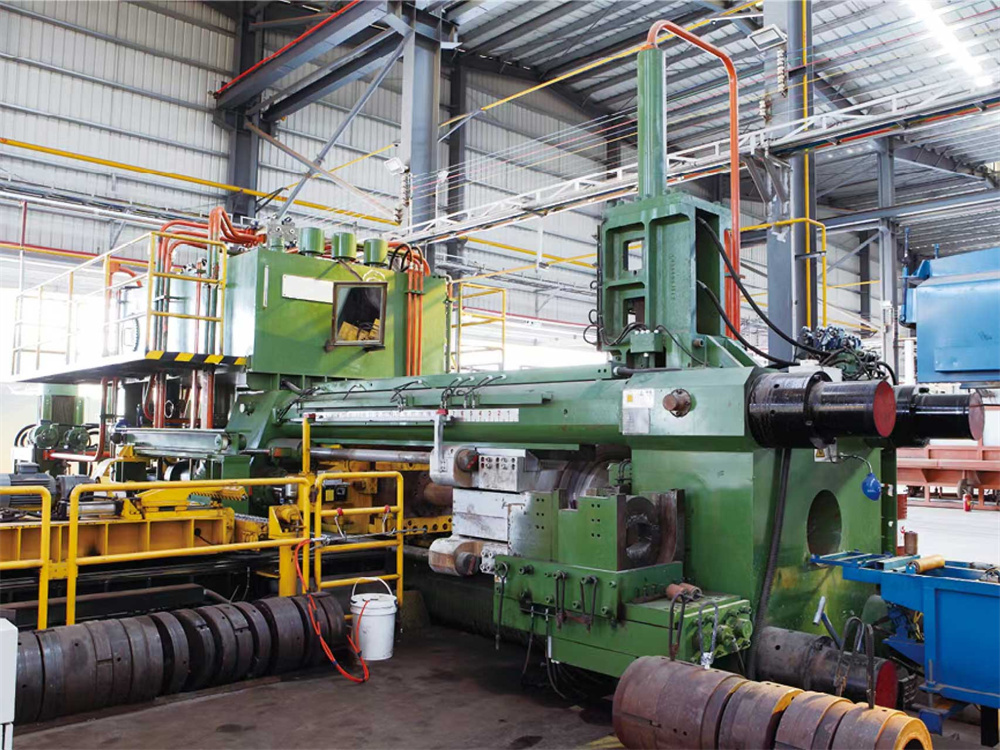
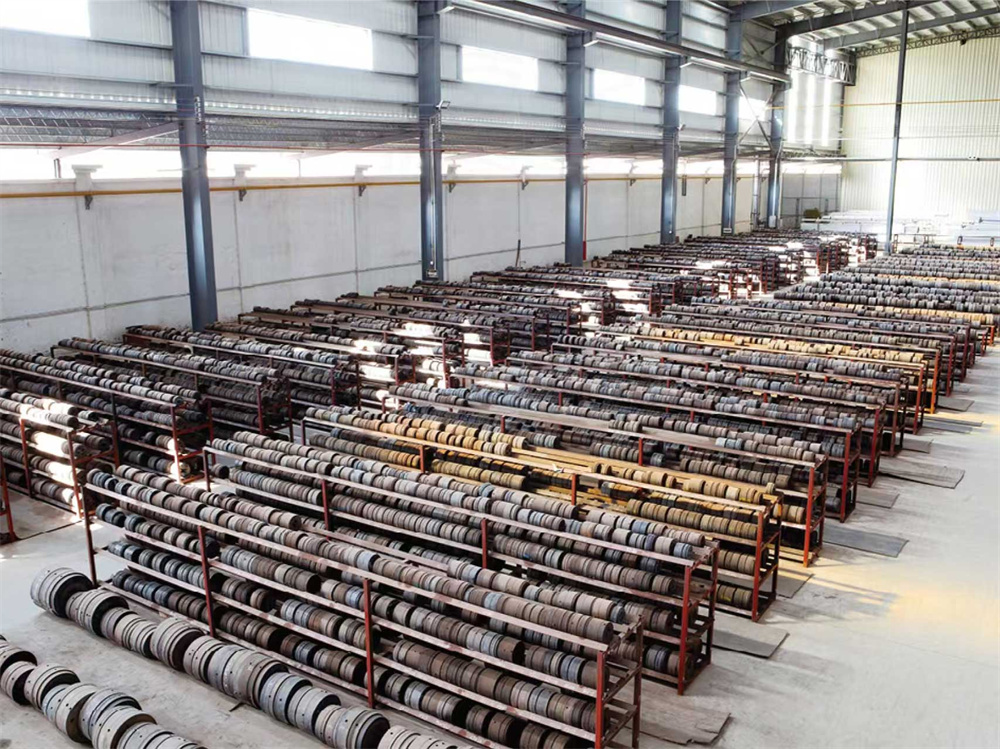
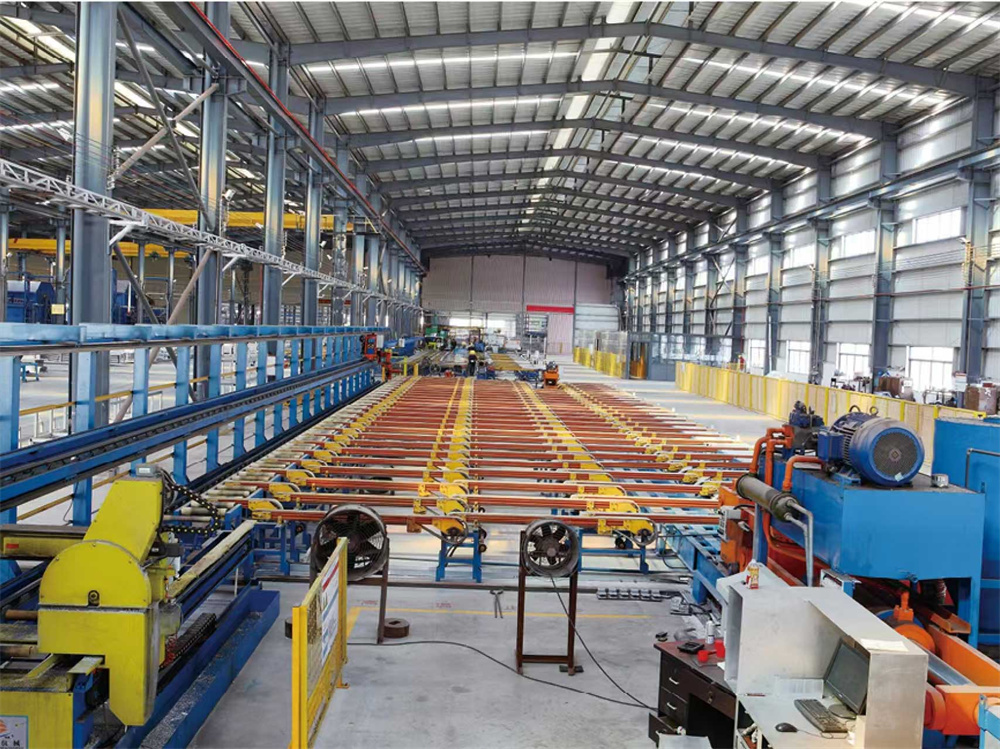
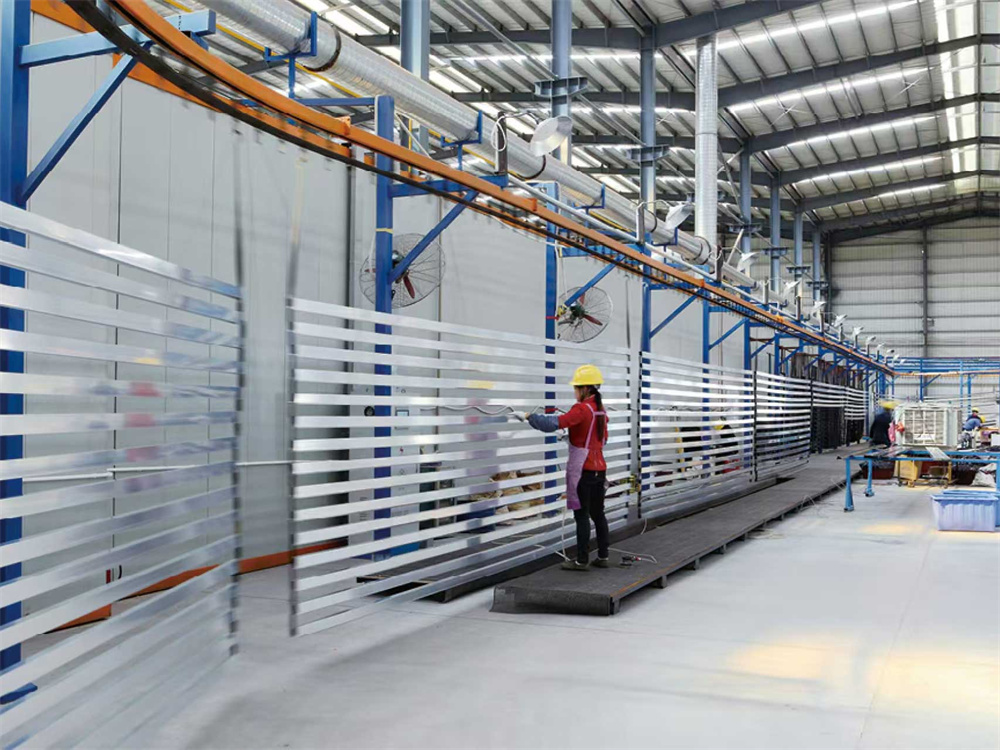
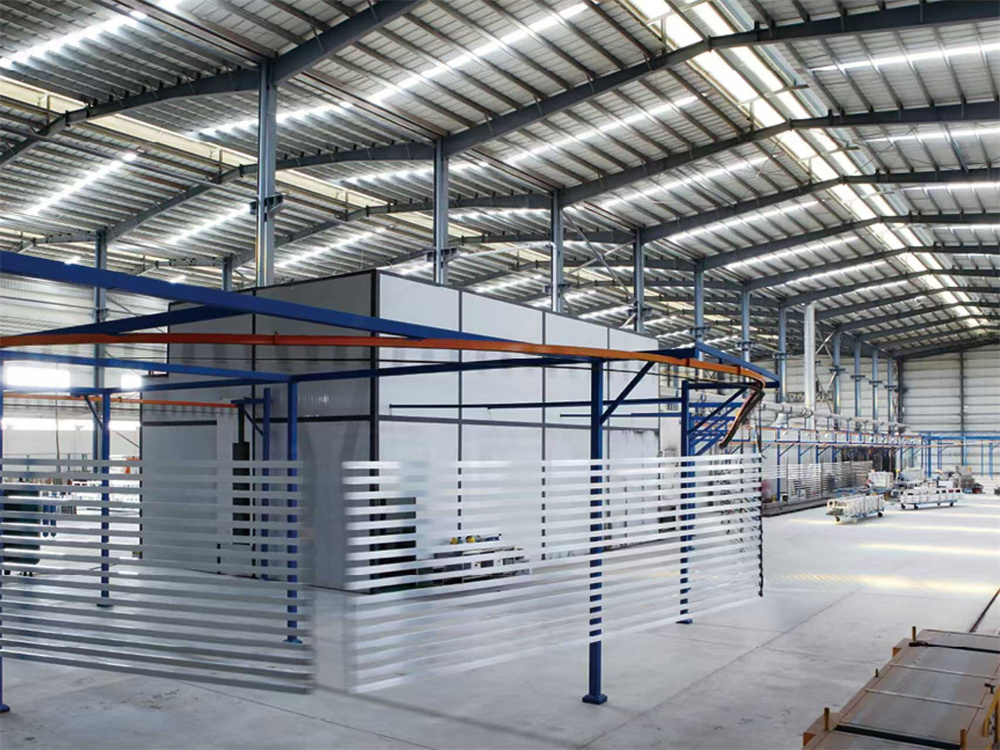
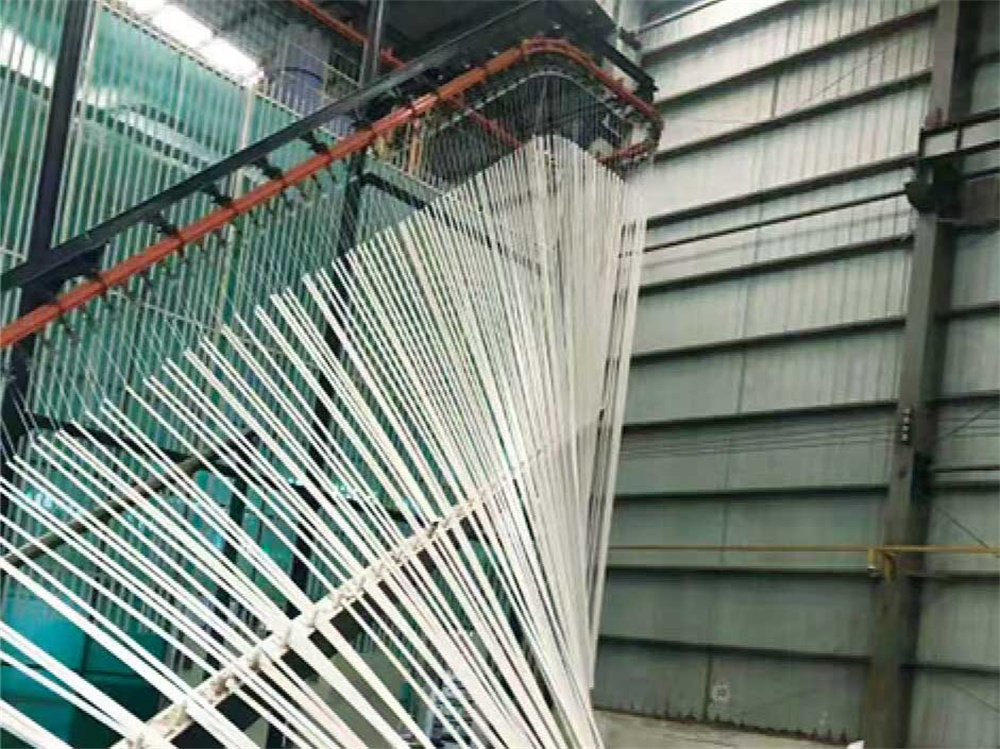
Our brand is "Aolijie", which owns 4 production bases and is equipped with advanced production lines, including extrusion equipment ranging from 900 tons to 2000 tons. Our surface treatment production lines support powder coating, Anodizing, Electrophoretic Coating, PVDF coating, wood grain, die production, and CNC deep processing equipment. We also maintain a dedicated production base for aluminum doors and windows.

What We Do

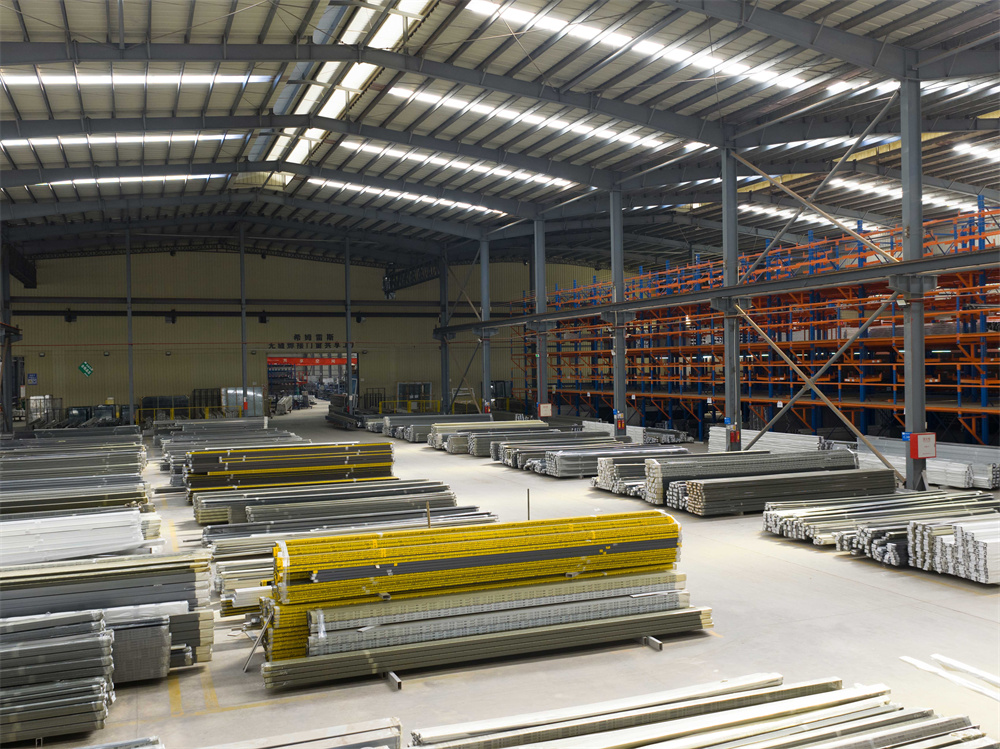
Our annual production capacity is 100,000 tons, with over 100,000 sets of our own molds. Our product portfolio covers more than 100 series and over 1,000 specifications. In order to meet the unique needs of customers and develop customized products, we have adopted internationally advanced technology in thermal break aluminum profiles and precision inspections. Our products have been successfully exported to regions such as the Middle East, South America, Africa, and Southeast Asia.

Aoli Factory Tour

factory tour (16)
factory tour (24)
factory tour (25)
factory tour (1)
factory tour (2)
factory tour (3)
factory tour (4)
factory tour (5)
factory tour (6)
factory tour (7)
factory tour (8)
factory tour (9)
factory tour (10)
factory tour (11)
factory tour (12)
factory tour (13)
factory tour (14)
factory tour (15)
factory tour (17)
factory tour (18)
factory tour (19)
factory tour (20)
factory tour (21)
factory tour (22)
factory tour (23)
Factory-Tour
Factory-Tour2

Technological and Metallurgical Standards for Solar Aluminum Profiles

To guarantee structural longevity under extreme conditions, the chemical composition and thermal treatment of solar aluminum profiles must align with strict global engineering standards. The primary alloys utilized are from the 6000-series (Al-Mg-Si), specifically 6063, 6061, and 6005A.

6063-T5 vs. 6061-T6: Choosing the Right Alloy

6063-T5 is widely used for residential and commercial solar frames due to its excellent surface finish, ease of extrusion, and sufficient strength. However, for utility-scale ground mounts and solar tracking structures that face high wind loads, 6061-T6 or 6005A-T6 is preferred. These alloys undergo solution heat treatment and artificial aging, offering higher tensile and yield strength. This ensures that the structural framework remains rigid and prevents structural sagging or failure under heavy mechanical stress.

Surface Treatment: Anodizing and PVDF Coatings

Raw aluminum naturally develops a thin oxide layer, but this layer is insufficient to protect the metal from long-term exposure in industrial or coastal environments. Anodizing is the primary electrochemical process used to increase the thickness of this natural oxide layer. For solar applications, an anodizing layer of 10 to 15 microns (Class II) or 20+ microns (Class I) is recommended. This layer provides excellent corrosion resistance, high surface hardness, and prevents electrical conductivity, protecting installers from electrical hazards during system maintenance.

Key Technical Specifications for Solar Aluminum Profiles:

  • Alloy Selection: 6063-T5/T6, 6061-T6, 6005A-T6
  • Anodizing Thickness: AA10, AA15, AA20 (According to Qualanod standards)
  • Tensile Strength: ≥ 260 MPa (for 6061-T6)
  • Yield Strength: ≥ 240 MPa (for 6061-T6)
  • Wind Load Compliance: Engineered to withstand up to 60 m/s wind speeds

Corporate Culture

  • 🎯
    Mission

    Building sustainable cities for the world.

  • 👁️
    Vision

    Be the aluminum profile production enterprise with the highest customer satisfaction.
    Be the Chinese aluminum profile enterprise with the strongest sense of employee happiness.
    Be the most influential Chinese aluminum profile export brand.

  • 💎
    Value System

    Customer First: Regard customer success as our responsibility.
    Employee Development: The result of joint efforts between the company and employees.
    Brand Reputation: Nothing can sacrifice brand reputation.

Future Trends in Solar Aluminum Profiles

The solar energy sector is constantly evolving, and the materials supporting it must adapt to new engineering demands. Several key trends are shaping the future of profile aluminum for solar energy systems:

1. Shift Towards Low-Carbon "Green" Aluminum

As solar energy aims to minimize its overall carbon footprint, developers are scrutinizing the lifecycle emissions of their supply chains. The production of primary aluminum is energy-intensive, leading to a growing demand for "green aluminum"—metal smelted using renewable energy (such as hydropower) or containing high percentages of recycled scrap. By integrating recycled aluminum into solar mounting profiles, manufacturers can reduce the embodied carbon of solar installations, aligning the structural components with the green energy they support.

2. Integration with Smart Solar Tracking Systems

Solar tracking systems, which rotate panels to follow the sun throughout the day, are becoming standard in utility-scale projects due to their higher energy yield. These dynamic systems subject structural components to constant mechanical movement and torque. Future aluminum profiles will feature more complex, multi-hollow geometries designed to house tracking electronics, wiring, and drive mechanisms directly within the structural rails, protecting sensitive components from environmental wear.

3. Specialized Alloys for Offshore and Harsh Environments

With land availability for solar farms decreasing in heavily populated areas, developers are turning to floating solar arrays on freshwater reservoirs and nearshore marine environments. These applications expose mounting structures to high humidity, salt spray, and wave motion. Extruders are developing specialized aluminum alloys with enhanced corrosion resistance and robust marine-grade anodized coatings to ensure long-term structural integrity in these challenging environments.

Aoli Logo

Partner with Aoli Aluminum

Leverage our 15+ years of extrusion expertise to develop custom aluminum profiles tailored to your solar energy projects. From design to precision manufacturing, we deliver reliable, high-performance structural components.

Aoli Team