




Aluminium Extrusion Profile for Industrial Frameworks
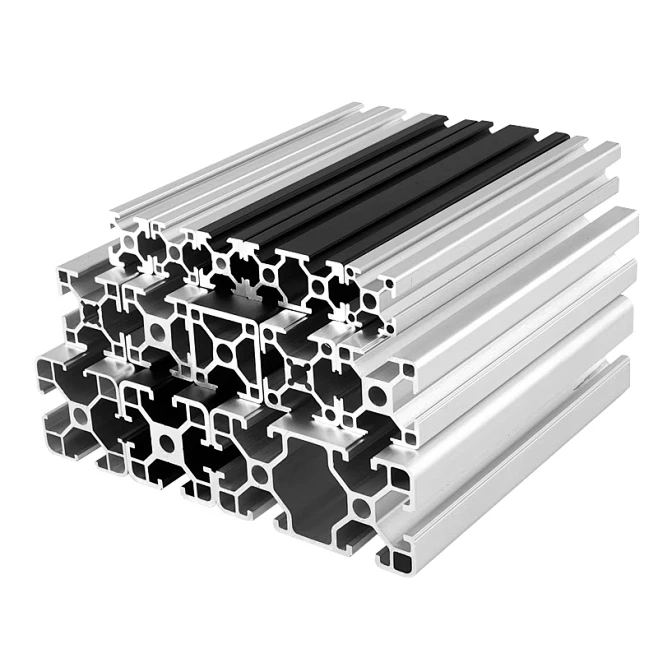
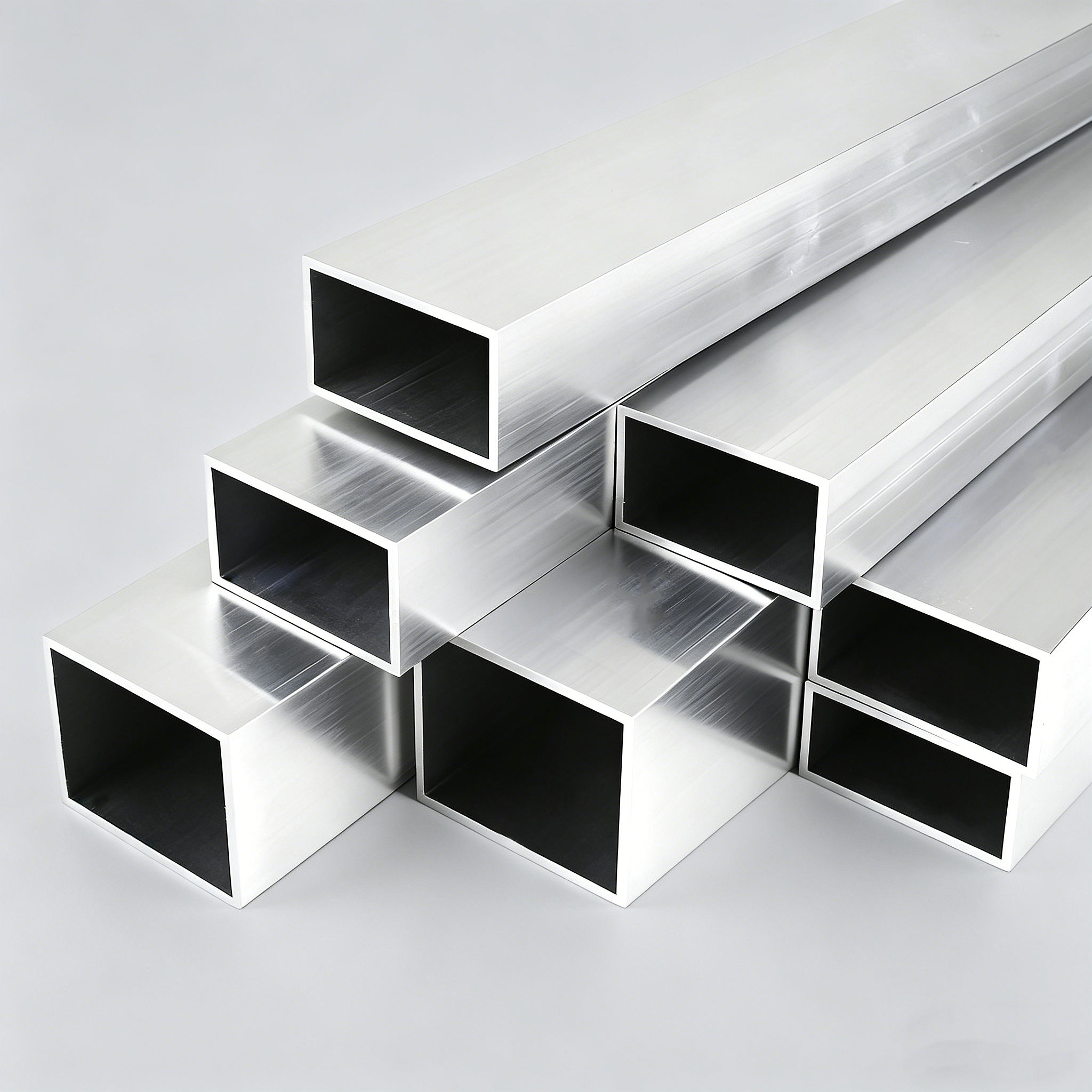
In the realm of modern industrial applications, the significance of aluminum profiles cannot be overstated. Among the various types of aluminum profiles, the aluminum extrusion profile stands out as a versatile and efficient solution for constructing robust industrial frameworks. These profiles are engineered to meet the diverse needs of various industries, providing a perfect blend of strength, lightweight properties, and adaptability.

Aluminum extrusion profiles are created through a process that involves forcing aluminum alloy through a shaped die, resulting in a continuous length of material with a specific cross-sectional shape. This method allows for the production of complex geometries that can be tailored to meet the specific requirements of industrial frameworks. The resulting profiles are not only strong and durable but also resistant to corrosion, making them ideal for use in challenging environments.
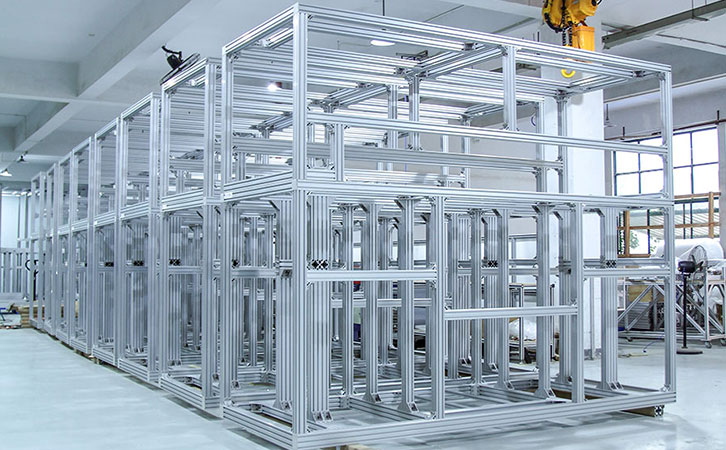
One of the key advantages of using aluminum extrusion profiles in industrial frameworks is their ability to be easily assembled and modified. This flexibility is crucial in industries where rapid changes in design and functionality are common. Whether it’s for constructing machine frames, conveyor systems, or safety barriers, aluminum profiles can be quickly adapted to suit new specifications, reducing downtime and increasing efficiency.
Moreover, the lightweight nature of aluminum profiles contributes to the overall efficiency of industrial operations. By minimizing the weight of structural components, companies can reduce transportation costs and improve energy efficiency in their operations. This is particularly important in sectors such as manufacturing, logistics, and automation, where every ounce of weight saved can lead to significant cost savings.
In conclusion, aluminum extrusion profiles are an essential component of modern industrial frameworks. Their advanced engineering solutions not only enhance the structural integrity of industrial applications but also provide the flexibility and efficiency needed to thrive in today’s fast-paced industrial landscape. As industries continue to evolve, the role of aluminum profiles will undoubtedly become even more critical in driving innovation and sustainability.