+86 18029386403
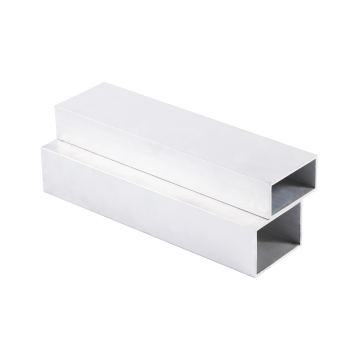
The United States aluminum profiles industry represents a cornerstone of American manufacturing, with a market value exceeding $12 billion annually. Industrial aluminum profiles have become indispensable across diverse sectors including construction, automotive, aerospace, renewable energy, and advanced manufacturing. The industry's growth trajectory reflects America's commitment to sustainable materials and innovative engineering solutions that drive economic competitiveness.
Aluminum extrusion facilities across the United States—from the Great Lakes region to the Sun Belt—employ advanced technologies to produce profiles meeting stringent ASTM standards and industry-specific certifications. The domestic market benefits from proximity to major end-users, robust logistics infrastructure, and a skilled workforce trained in precision manufacturing techniques. As American industries increasingly prioritize lightweight, corrosion-resistant, and recyclable materials, aluminum profiles have emerged as the material of choice for 21st-century applications.
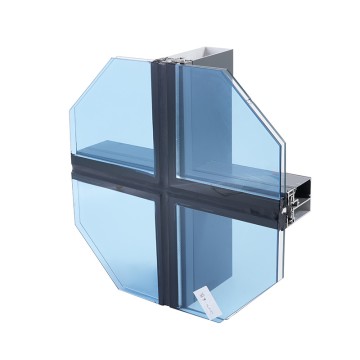
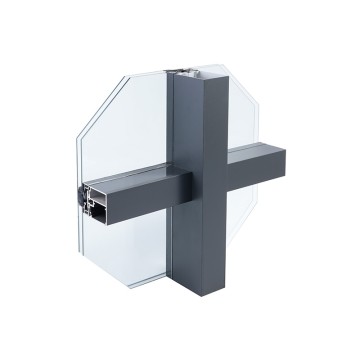
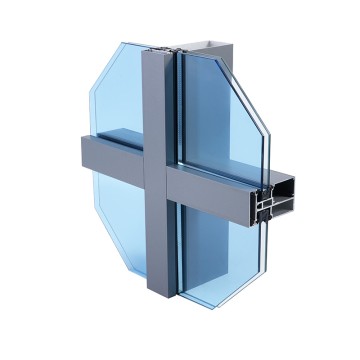
Industrial aluminum profiles serve critical functions across American infrastructure. In commercial construction, aluminum curtain wall systems define skylines in cities like New York, Chicago, and San Francisco, offering energy efficiency and architectural flexibility. The transportation sector utilizes aluminum profiles extensively—from electric vehicle battery enclosures manufactured in Detroit to aerospace components produced in Seattle's aviation corridor. Renewable energy installations across Texas, California, and the Midwest rely on aluminum mounting systems for solar panels, while data centers nationwide employ aluminum profiles for thermal management solutions.
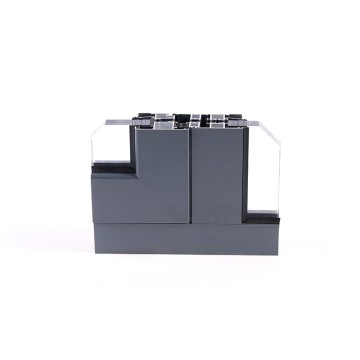
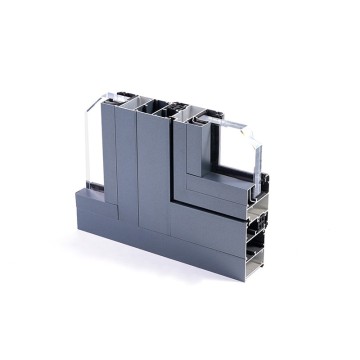
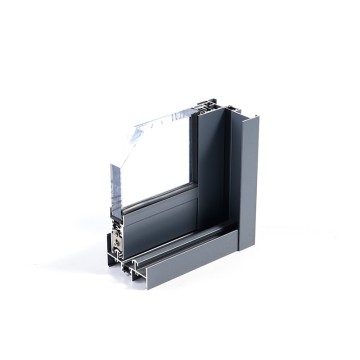
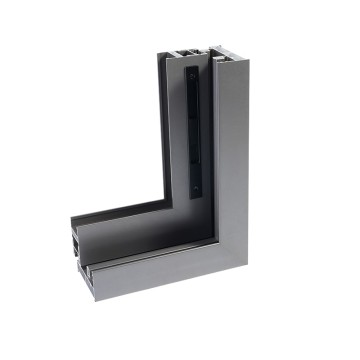
The American construction industry consumes approximately 40% of domestically produced aluminum profiles, with window and door systems representing the largest segment. Modern architectural trends favor thermally broken aluminum profiles that enhance building energy performance, aligning with LEED certification requirements and state energy codes. Industrial facilities across manufacturing hubs utilize modular aluminum framing systems for cleanroom construction, production line guards, and material handling infrastructure.
In the automotive sector, the push toward vehicle electrification has accelerated demand for specialized aluminum profiles. Battery tray systems, structural components, and heat sink applications require profiles engineered to precise tolerances with specific alloy compositions. Major automotive manufacturers in Michigan, Tennessee, and South Carolina have integrated aluminum profiles into their supply chains, reducing vehicle weight while maintaining structural integrity and safety performance.
The U.S. aluminum industry is investing heavily in carbon-neutral production technologies. With aluminum's infinite recyclability, manufacturers are achieving up to 95% energy savings through secondary production. American facilities are targeting net-zero emissions by 2050, incorporating renewable energy sources and implementing closed-loop recycling systems that resonate with environmentally conscious consumers and corporate sustainability mandates.
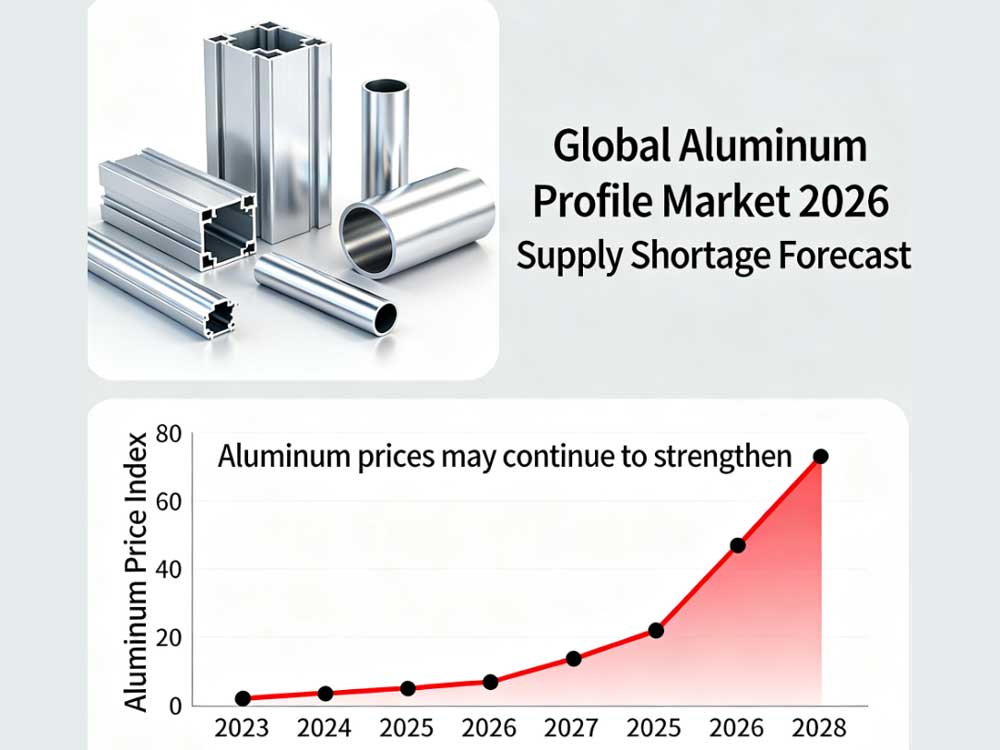
Research institutions and manufacturers are collaborating to develop next-generation aluminum alloys with enhanced properties. High-strength aerospace alloys, improved thermal conductivity formulations for electronics cooling, and corrosion-resistant compositions for coastal applications represent key innovation areas. These developments position American manufacturers at the forefront of materials science, supporting advanced industries from defense to medical devices.
Industry 4.0 technologies are transforming aluminum profile production. Smart factories employ IoT sensors, predictive maintenance algorithms, and AI-driven quality control systems that optimize production efficiency and ensure consistent product quality. Digital twin technology enables virtual prototyping, reducing development cycles and material waste. These innovations enhance competitiveness while meeting the precision requirements of demanding applications.
The growing modular and prefabricated construction market is driving demand for standardized aluminum profile systems. These solutions accelerate project timelines, reduce on-site labor requirements, and improve construction quality. From modular housing developments addressing affordable housing challenges to rapidly deployable medical facilities, aluminum profiles provide the structural backbone for innovative building methodologies.
The transition to electric mobility is creating unprecedented opportunities for aluminum profile manufacturers. Battery thermal management systems, lightweight structural components, and charging infrastructure all require specialized profiles. As major automakers commit billions to EV production in the United States, the aluminum supply chain is scaling to meet projected demand growth exceeding 25% annually through 2030.
America's renewable energy expansion relies heavily on aluminum profiles for solar mounting systems, wind turbine components, and energy storage installations. The Infrastructure Investment and Jobs Act is accelerating clean energy deployment, with aluminum profiles essential to utility-scale solar farms across the Southwest and offshore wind projects along the Atlantic coast. This sector represents a multi-billion dollar growth opportunity for profile manufacturers.
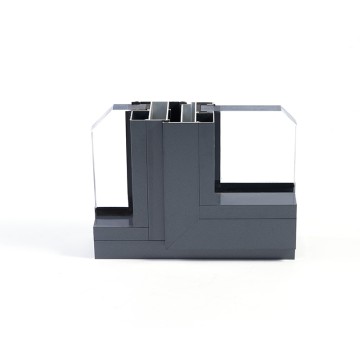
Metropolitan areas from Boston to Los Angeles utilize aluminum curtain wall systems and storefront profiles that combine aesthetic appeal with energy performance. Thermal break technology addresses diverse climate conditions—from humid subtropical regions to cold continental zones—while meeting increasingly stringent energy codes. Aluminum's design flexibility enables architects to realize ambitious visions for mixed-use developments, corporate headquarters, and civic buildings that define modern American cityscapes.
Production facilities across the Rust Belt, Southeast manufacturing corridor, and emerging tech hubs employ aluminum profile systems for cleanroom partitions, equipment framing, and conveyor structures. The material's non-magnetic properties make it ideal for electronics manufacturing, while its corrosion resistance suits food processing and pharmaceutical applications. Modular aluminum systems enable rapid facility reconfiguration, supporting agile manufacturing methodologies.
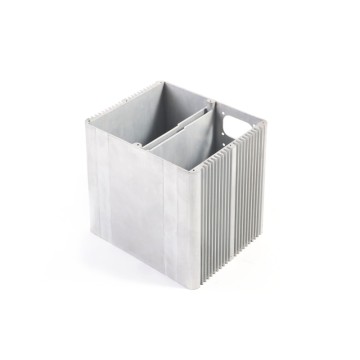
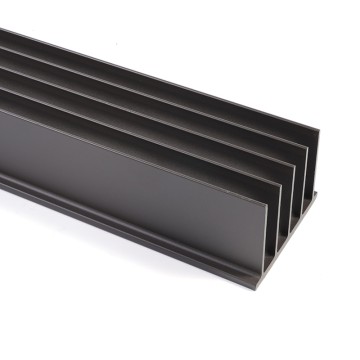
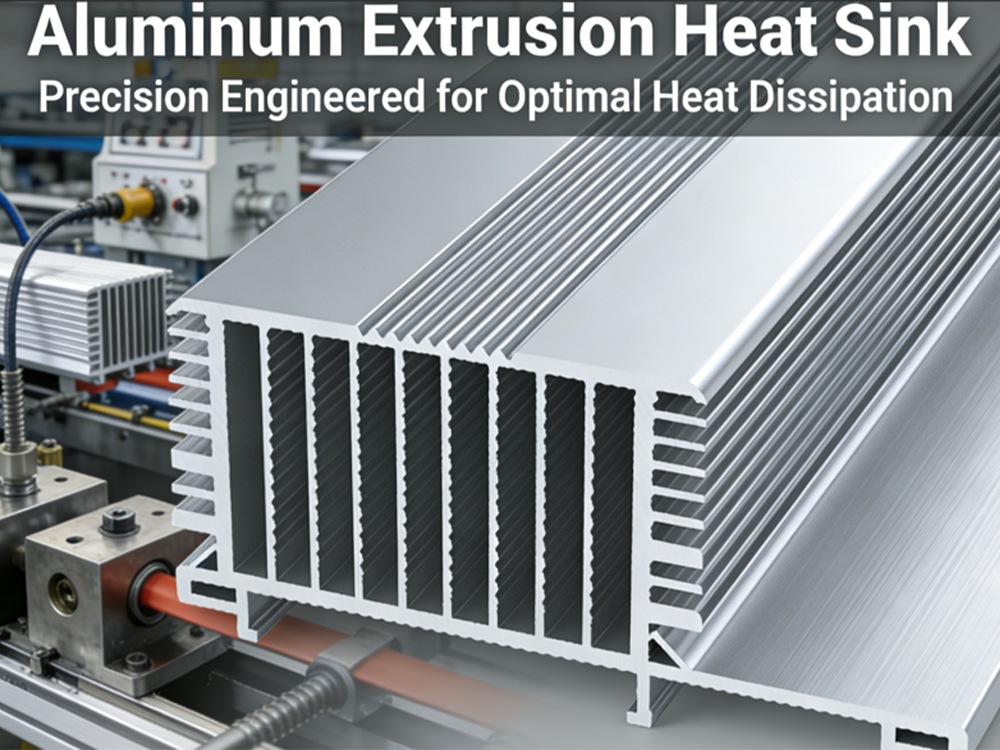
The explosive growth of cloud computing and data storage has created demand for aluminum heat sink profiles and structural systems. Facilities in Virginia, Oregon, and Texas employ custom-extruded profiles optimized for thermal management, supporting server infrastructure that powers digital services. Precision-engineered profiles ensure reliable operation while minimizing energy consumption in these mission-critical environments.
Regional climate variations drive specific product requirements across the United States. Hurricane-prone coastal areas demand profiles engineered to withstand extreme wind loads and salt spray corrosion. Northern states require thermal performance optimized for heating efficiency, while southern markets prioritize solar heat gain reduction. American manufacturers have developed region-specific solutions that address these diverse performance requirements while maintaining cost-effectiveness.
The transportation infrastructure sector represents another significant application area. Airport terminals, train stations, and transit facilities across the country utilize aluminum profiles for architectural elements, signage systems, and passenger amenities. The material's lightweight properties reduce structural loads, while its durability ensures long service life in high-traffic environments. Recent infrastructure investments are driving modernization projects that incorporate contemporary aluminum profile systems.