+86 18029386403
Japan's industrial aluminium profile sector represents one of the most sophisticated and technologically advanced markets in the global aluminum industry. With a rich manufacturing heritage spanning over seven decades, Japanese manufacturers have established themselves as pioneers in precision extrusion technology, quality control standards, and innovative applications across diverse industrial sectors.
The Japanese market for industrial aluminium profiles is characterized by stringent quality requirements, advanced automation, and a strong emphasis on sustainability. Major industrial hubs including Tokyo, Osaka, Nagoya, and Fukuoka serve as centers for aluminum profile manufacturing and distribution, supporting industries ranging from automotive and electronics to construction and renewable energy.
Japan's aluminum extrusion industry processes approximately 800,000 tons of aluminum profiles annually, with industrial applications accounting for nearly 45% of total production. The market is valued at over ¥350 billion (approximately $3.2 billion USD), making it the third-largest aluminum profile market in Asia after China and India.
Japan's renowned automotive industry, home to global giants like Toyota, Honda, Nissan, and Mazda, represents the largest consumer of industrial aluminum profiles. Lightweight aluminum extrusions are extensively used in vehicle frames, body structures, heat exchangers, and electric vehicle battery enclosures. The shift toward electric vehicles has accelerated demand for specialized aluminum profiles with superior thermal management properties.
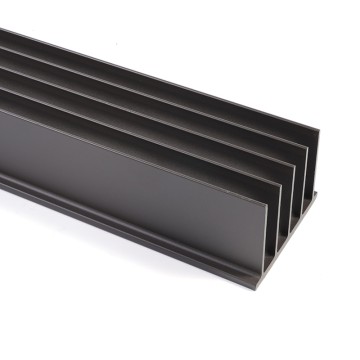
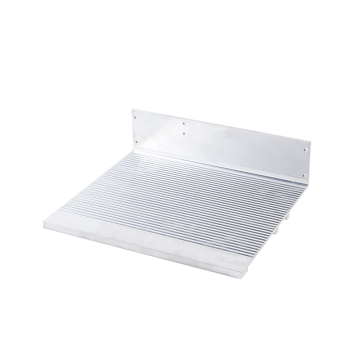
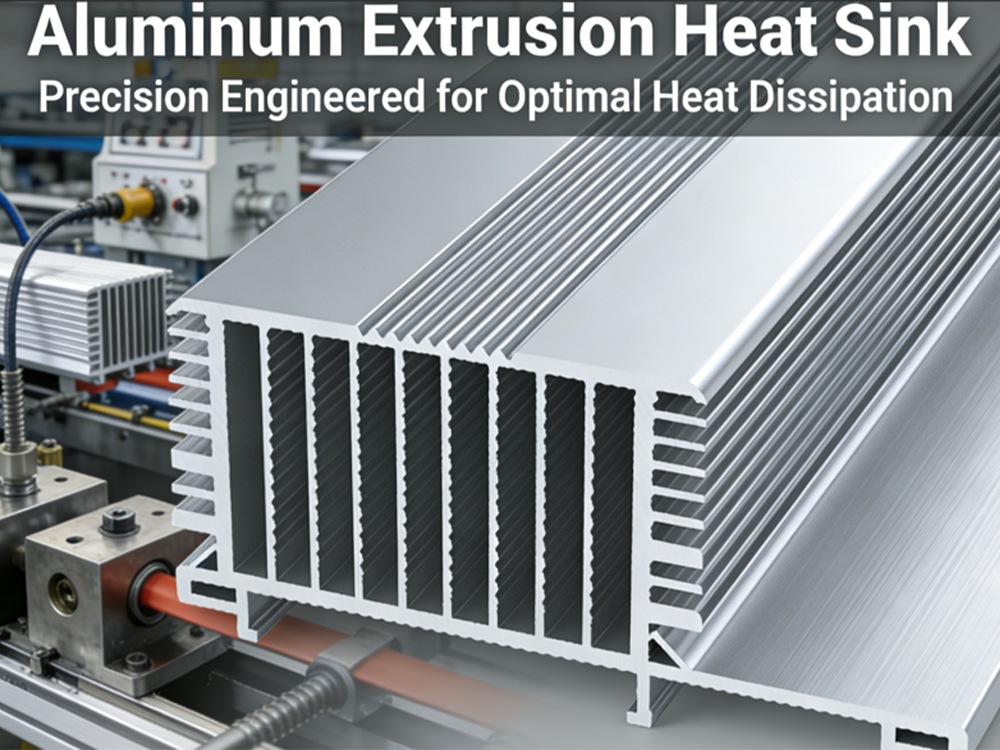
Japan's electronics sector, including companies like Sony, Panasonic, and Hitachi, relies heavily on precision aluminum profiles for heat sinks, equipment frames, and enclosures. The semiconductor manufacturing industry demands ultra-precise profiles with tight tolerances (±0.01mm) for clean room equipment and wafer processing machinery.
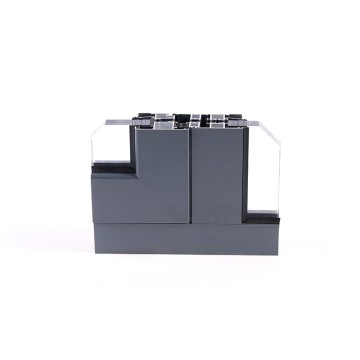
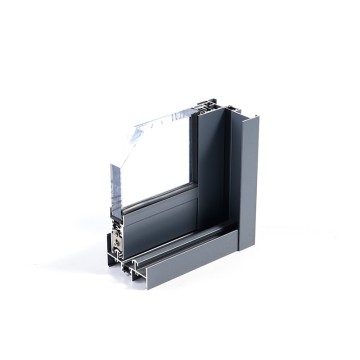
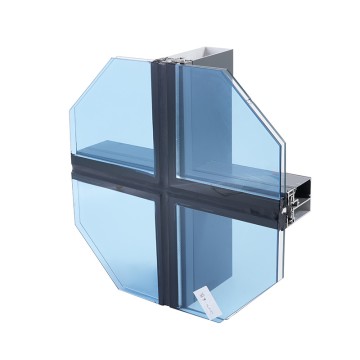
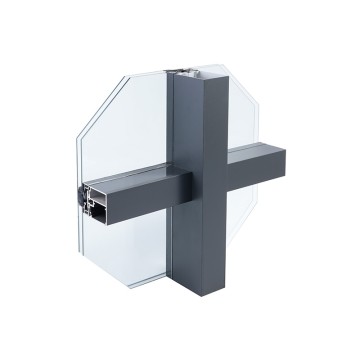
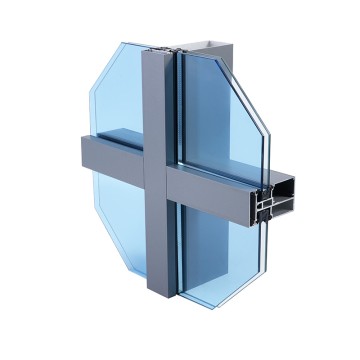
Japanese construction standards are among the world's most rigorous, particularly regarding seismic resistance. Aluminum profiles used in curtain walls, window systems, and structural applications must meet strict JIS (Japanese Industrial Standards) specifications. The reconstruction efforts following natural disasters and the modernization of aging infrastructure continue to drive demand for high-performance aluminum building profiles.
The Japanese industrial aluminium profile sector is undergoing significant transformation driven by technological innovation, environmental considerations, and evolving market demands. Several key trends are shaping the industry's future direction.
Japanese manufacturers are at the forefront of adopting Industry 4.0 technologies in aluminum extrusion. Smart factories equipped with IoT sensors, AI-powered quality control systems, and robotic automation are becoming standard. Companies like LIXIL, YKK AP, and Sankyo Tateyama are investing heavily in digital transformation to enhance production efficiency and maintain competitive advantages.
Japan's commitment to carbon neutrality by 2050 is driving the aluminum industry toward sustainable practices. Manufacturers are increasing use of recycled aluminum (currently at 35% of total consumption), implementing energy-efficient extrusion processes, and developing profiles with enhanced durability to extend product lifecycles. The Japan Aluminium Association reports that recycled aluminum usage has grown by 8% annually over the past five years.
Research institutions and manufacturers are collaborating to develop next-generation aluminum alloys combining reduced weight with enhanced strength. These advanced materials are particularly crucial for automotive applications where every kilogram of weight reduction translates to improved fuel efficiency and extended electric vehicle range. New 7000-series alloys developed in Japan offer strength-to-weight ratios comparable to steel.
The trend toward mass customization is transforming the aluminum profile industry. Japanese manufacturers are investing in flexible production systems capable of producing small batches of customized profiles economically. Advanced die design software and 3D printing technologies for rapid die prototyping are reducing lead times from months to weeks.
Japanese companies are pioneering advanced surface treatment technologies including ultra-durable powder coatings, antimicrobial surface treatments (particularly relevant post-COVID-19), and nano-ceramic coatings that provide superior corrosion resistance. These innovations are opening new applications in healthcare facilities, food processing equipment, and marine environments.
The unique characteristics of Japan's industrial landscape, geographic conditions, and cultural preferences have created distinctive application scenarios for aluminum profiles that differ from other global markets.
Japan's location in a seismically active zone necessitates specialized aluminum profile systems designed to withstand earthquakes. Flexible curtain wall systems using specially engineered aluminum profiles can accommodate building movements during seismic events while maintaining structural integrity. Tokyo's Mori Tower and Osaka's Abeno Harukas showcase advanced aluminum curtain wall systems incorporating seismic isolation technologies.
The Shinkansen bullet train network extensively utilizes aluminum profiles in train car construction, platform infrastructure, and station facilities. Lightweight aluminum extrusions contribute to energy efficiency while meeting stringent safety standards. The latest N700S series Shinkansen incorporates advanced aluminum profile designs that reduce weight by 15% compared to previous generations.
Japan's commitment to renewable energy following the Fukushima disaster has created substantial demand for aluminum profiles in solar panel mounting systems and wind turbine components. Coastal wind farms and mega-solar projects require corrosion-resistant aluminum profiles capable of withstanding harsh marine environments. The Fukushima Renewable Energy Institute uses locally manufactured aluminum profiles in its research facilities.
Japan's dense urban environments and limited living spaces have driven innovation in space-saving aluminum profile applications. Sliding door systems, partition walls, and modular furniture systems using precision aluminum profiles are essential in Japanese homes and offices. Companies like Muji and Nitori collaborate with aluminum profile manufacturers to create minimalist, functional living solutions.
Japan's leadership in industrial automation creates significant demand for aluminum profiles in robot frames, conveyor systems, and automated assembly lines. The precision and modularity of industrial aluminum profile systems enable rapid reconfiguration of manufacturing facilities to accommodate changing production requirements. Companies like FANUC and Yaskawa Electric specify Japanese-manufactured aluminum profiles for their robotic systems.
Japan's strict food safety regulations and advanced pharmaceutical industry require specialized aluminum profiles with superior hygiene properties. Anodized and specially treated profiles prevent bacterial growth and facilitate cleaning in food processing plants and pharmaceutical manufacturing facilities. Major food manufacturers like Ajinomoto and pharmaceutical companies like Takeda utilize custom aluminum profile systems in their production facilities.
Japanese aluminum profile manufacturers are renowned globally for their uncompromising commitment to quality and precision. This reputation is built on rigorous standards, advanced testing protocols, and continuous improvement methodologies.
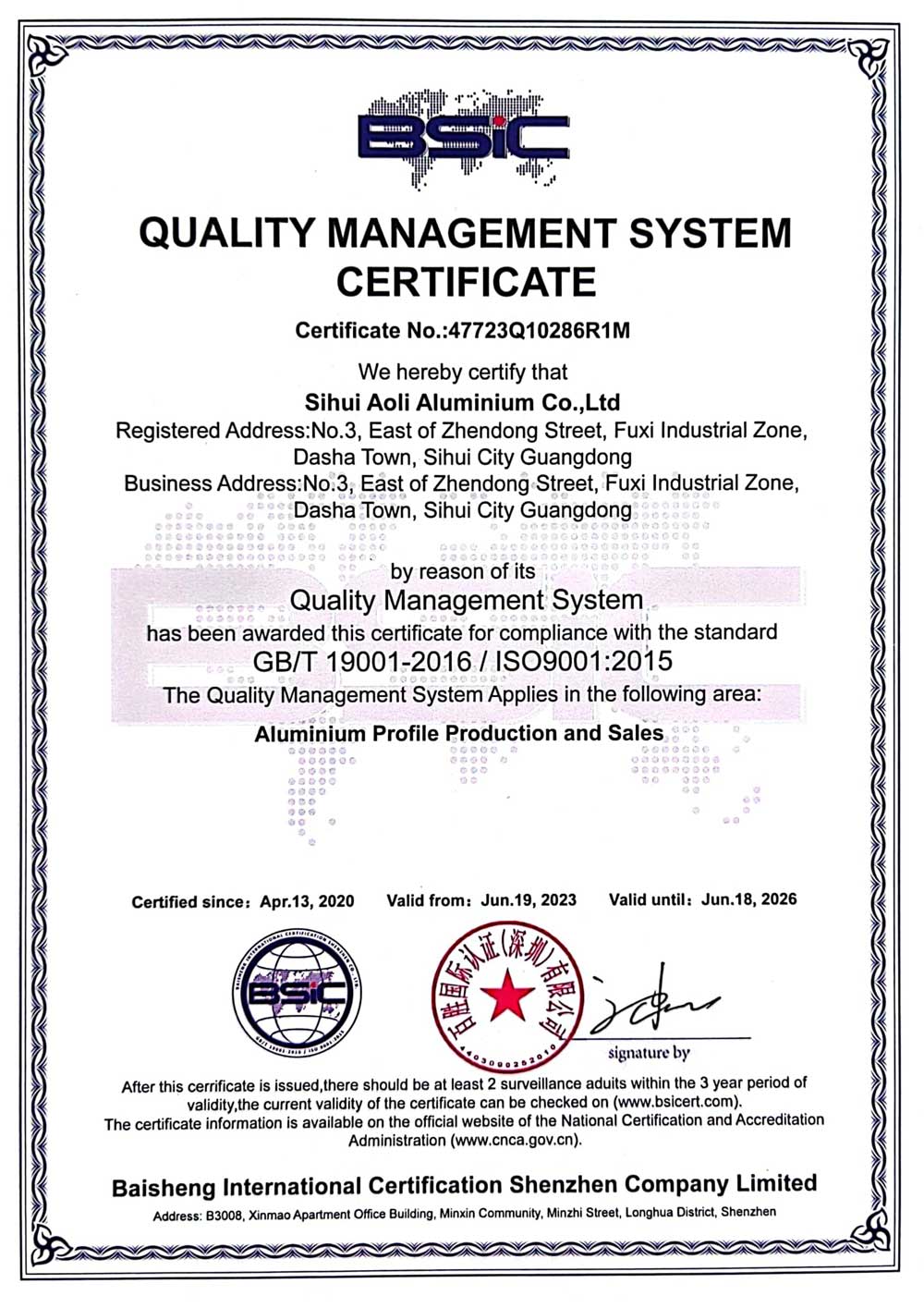
All aluminum profiles produced for the Japanese market must comply with JIS (Japanese Industrial Standards), which are often more stringent than international ISO standards. JIS H 4100 specifies requirements for aluminum and aluminum alloy extruded profiles, covering dimensional tolerances, mechanical properties, and surface quality. Leading manufacturers also maintain ISO 9001, ISO 14001, and industry-specific certifications.
Precision Tolerance Standard
First-Pass Quality Rate
Years Average Experience
Traceability Coverage
Japanese manufacturers employ advanced non-destructive testing methods including ultrasonic inspection, eddy current testing, and X-ray fluorescence analysis to ensure material integrity. Every production batch undergoes comprehensive mechanical testing including tensile strength, hardness, and elongation measurements to verify compliance with specifications.