The Global Shift: Industrial Aluminium Profiles Driving Next-Gen Industrial Frameworks
In modern industrial manufacturing and automation engineering, structural materials define the ceiling of operational speed, precision, and architectural adaptability. Traditional welded carbon steel structures, while robust, are burdened with massive self-weight, laborious secondary fabrication, extensive corrosion maintenance, and irreversible assembly rigidity. Today, the manufacturing sector is undergoing an accelerated transformation toward Industrial Aluminium Profiles for Industrial Frameworks. These high-precision extruded alloy systems deliver unparalleled strength-to-weight ratios, modular flexibility, rapid on-site assembly, and superior dimensional stability.
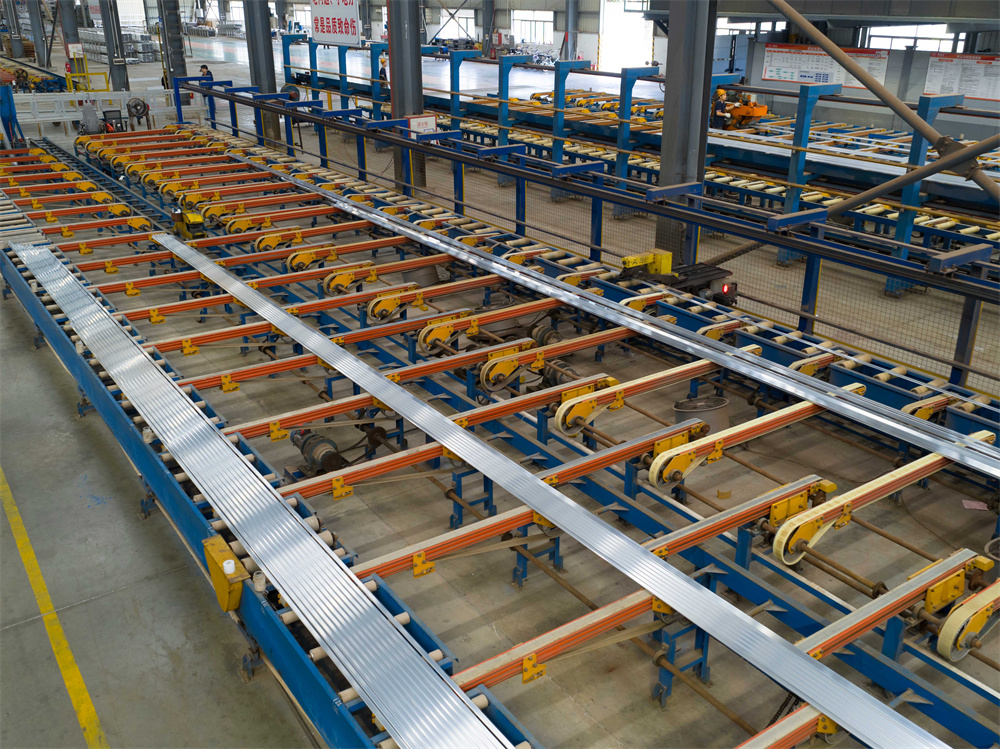
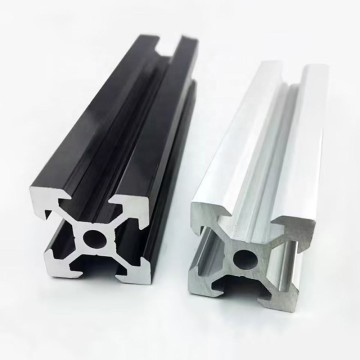
Across North America, Europe, and the Asia-Pacific industrial corridors, modular aluminium framing has evolved from basic machine guarding into the structural backbone of smart factories, automated guided vehicle (AGV) superstructures, linear motion gantries, and cleanroom production cells. Leveraging advanced alloys such as 6063-T5, 6061-T6, and 6082-T6, industrial aluminium extrusions offer engineers an agile building-block ecosystem. By adopting standardized T-slot and V-slot geometries, plant designers can construct intricate, high-load frameworks without welding, grinding, or post-weld stress relieving, drastically shortening deployment lead times by up to 60%.
⚡ Modular Rapid Assembly
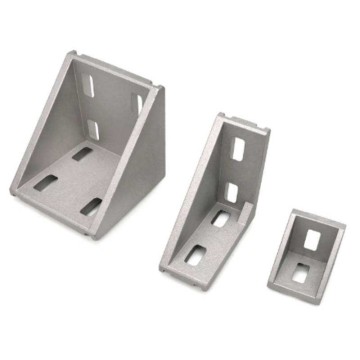
Standardized continuous T-slot channels eliminate the need for welding. Easily connect structural profiles using high-tensile brackets, drop-in T-nuts, and internal anchor fasteners with minimal tooling.
🛡️ Superior Corrosion Defense
Anodized surface treatments (10–25µm) form an impervious aluminium oxide barrier, resisting harsh industrial chemical vapors, industrial lubricants, humidity, and atmospheric oxidation.
🔄 Dynamic Reconfigurability
Adapt to fluctuating factory layouts and production expansions. Modules can be loosened, repositioned, extended, or disassembled and 100% recycled with zero structural degradation.
Market Forces and Economic Drivers in Advanced Manufacturing
The global demand for industrial aluminum extrusion frameworks is propelled by three macro-industrial catalysts: Industry 4.0 automation, global carbon-neutrality mandates, and ergonomic workplace standardization. Automated assembly facilities demand structural skeletons capable of integrating high-speed servo-driven actuators, optical vision sensors, pneumatics, and electrical cable runs directly into the internal profile cavities. Furthermore, as multinational enterprises push toward low-carbon manufacturing footprint certifications, aluminum’s lightweight nature minimizes logistical freight energy, and its endless circular recyclability makes it the prime material choice for environmentally conscious manufacturing architectures.