+86 18029386403
Exploring the Dynamic Landscape of Korean Aluminum Manufacturing
South Korea's aluminum extrusion industry represents a cornerstone of the nation's advanced manufacturing sector. With a market value exceeding $4.5 billion, the Korean aluminum industry serves both domestic construction needs and exports to global markets. The country's strategic position in East Asia, combined with cutting-edge technology and skilled workforce, makes it a premier destination for high-quality aluminum profiles.
Major industrial hubs in Incheon, Busan, and Ulsan host state-of-the-art extrusion facilities that supply materials for Korea's booming construction, automotive, and electronics sectors. The industry benefits from Korea's robust infrastructure, efficient logistics networks, and commitment to quality standards that meet international certifications.
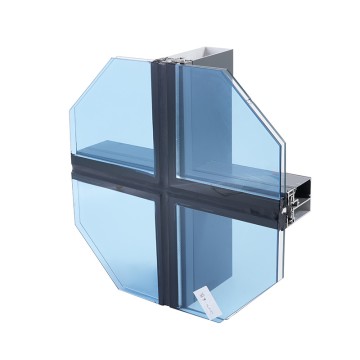
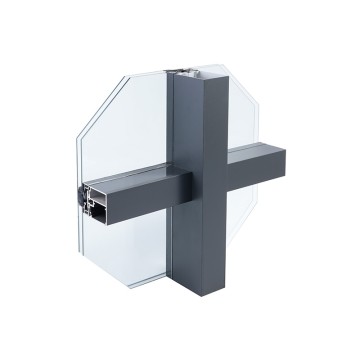
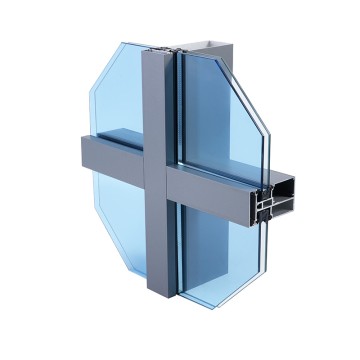
Korea's urban development continues at a remarkable pace, with Seoul, Busan, and Incheon leading massive construction projects. The demand for aluminum profiles in curtain walls, window systems, and architectural facades has grown by 35% annually. Iconic projects like the Lotte World Tower, Dongdaemun Design Plaza, and numerous residential high-rises showcase the versatility of extruded aluminum in modern Korean architecture.
The Korean government's Green New Deal initiative emphasizes energy-efficient buildings, driving demand for thermal break aluminum window profiles and sustainable construction materials. This policy shift has created significant opportunities for manufacturers specializing in eco-friendly aluminum solutions.
Beyond construction, Korea's advanced manufacturing sectors rely heavily on precision aluminum extrusions. The semiconductor industry, dominated by Samsung and SK Hynix, requires specialized heat sink profiles for cooling systems. The automotive sector, including Hyundai and Kia, increasingly incorporates aluminum profiles in electric vehicle chassis and battery enclosures to reduce weight and improve efficiency.
Korea's electronics manufacturing, particularly in displays and consumer electronics, demands custom aluminum profiles for device frames, LED housings, and component mounting systems. The precision and consistency of Korean-manufactured aluminum profiles meet the stringent requirements of these high-tech industries.
Korean aluminum manufacturers invest heavily in research and development, with annual R&D spending averaging 5-7% of revenue. Advanced extrusion presses with capacities up to 12,000 tons enable the production of complex profiles with tight tolerances. Computer-aided design systems and automated quality control ensure consistent product excellence.
Innovations in surface treatment technologies, including powder coating, anodizing, and wood-grain finishing, allow Korean manufacturers to offer diverse aesthetic options. Smart manufacturing initiatives incorporating IoT sensors and AI-driven process optimization have improved efficiency by 25% while reducing waste and energy consumption.
Tailored Solutions for Korean Market Demands
High-performance curtain wall systems for Seoul's innovative smart buildings, including the Seoul Robotics & AI Complex and Digital Media City developments, requiring advanced thermal insulation and structural integrity.
Lightweight aluminum profiles for Hyundai IONIQ and Kia EV series battery enclosures and chassis components, supporting Korea's transition to electric mobility with weight reduction up to 40%.
Premium window and door systems for Korean apartment complexes in Gangnam, Songdo, and Sejong City, meeting strict noise reduction and energy efficiency standards required by Korean building codes.
Precision heat sink profiles and cleanroom structural systems for Samsung and SK Hynix fabrication plants, ensuring optimal thermal management in critical manufacturing environments.
Custom aluminum framing for Lotte Department Store, Shinsegae, and Hyundai Department Store display systems, combining aesthetics with durability for high-traffic commercial environments.
Aluminum profiles for Seoul Metro station renovations, Incheon Airport expansion, and KTX high-speed rail facilities, meeting fire safety and corrosion resistance requirements.
The South Korean aluminum extrusion industry is experiencing transformative growth driven by technological innovation, sustainability initiatives, and evolving market demands. Understanding these trends is crucial for stakeholders in the Korean market.
Korea's commitment to carbon neutrality by 2050 drives demand for energy-efficient building materials. Thermal break aluminum profiles and recyclable systems are experiencing 40% annual growth as developers seek LEED and Green Building certifications.
Industry 4.0 adoption in Korean aluminum factories includes AI-powered quality control, predictive maintenance systems, and automated production lines. These technologies reduce defect rates by 60% and increase production efficiency by 35%.
Korea's EV market growth (projected 28% CAGR through 2030) creates massive demand for lightweight aluminum battery housings, structural components, and heat management systems. Hyundai Motor Group's $16 billion EV investment amplifies this trend.
Prefabricated and modular building methods gain traction in Korea, with aluminum profiles playing key roles in rapid assembly systems. The modular construction market is expected to reach $2.1 billion by 2027.
Korea's 5G network expansion requires specialized aluminum enclosures for base stations and equipment housings. The telecommunications infrastructure market for aluminum profiles grows at 22% annually.
Korean manufacturers embrace aluminum recycling, with 95% of production scrap being reprocessed. Closed-loop systems reduce environmental impact and appeal to sustainability-conscious clients.
We specialize in manufacturing aluminum alloy profiles for construction, decoration, and industry
Experience world-class quality, innovative solutions, and dedicated service for your aluminum profile needs in South Korea and beyond
Explore All Products