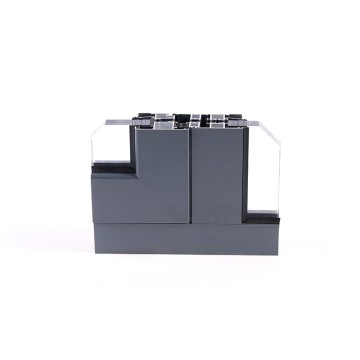
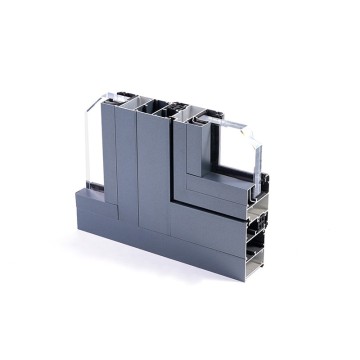
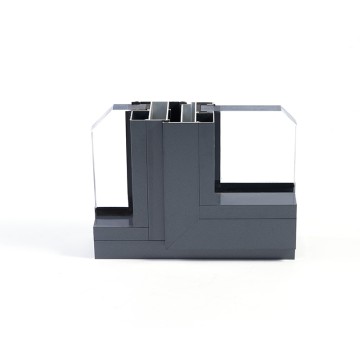
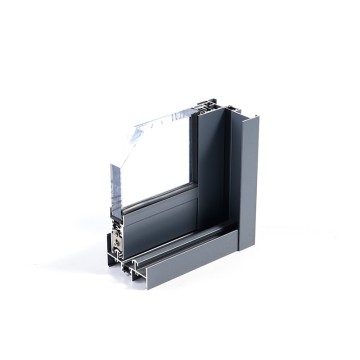
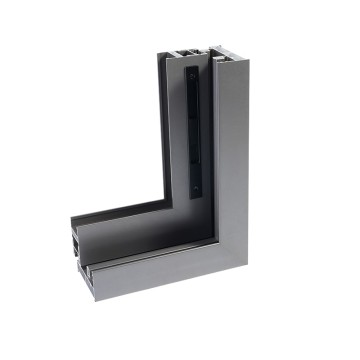
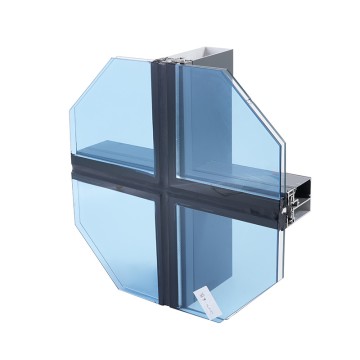
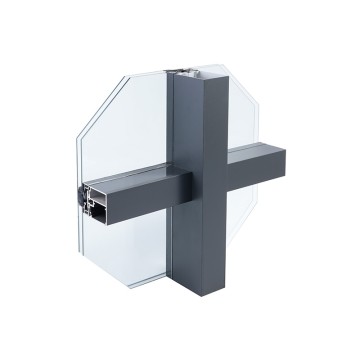
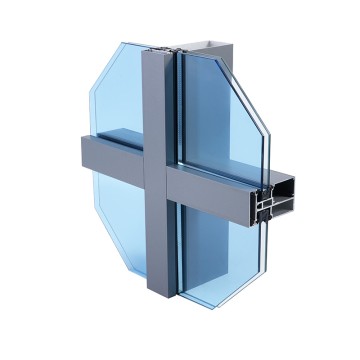
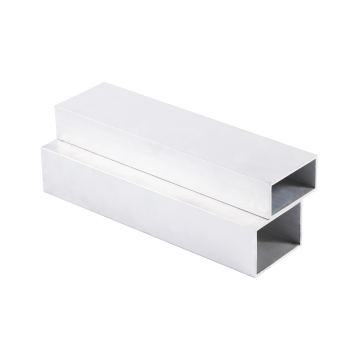
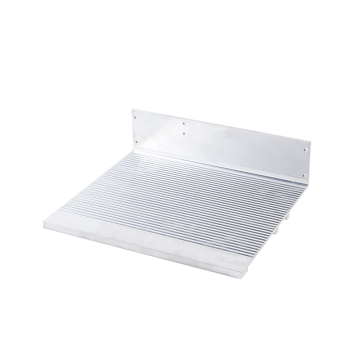
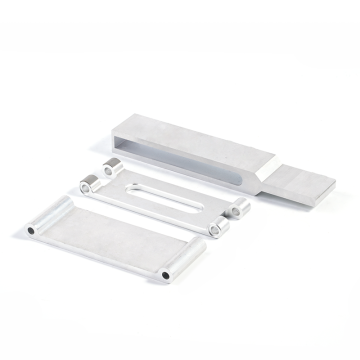
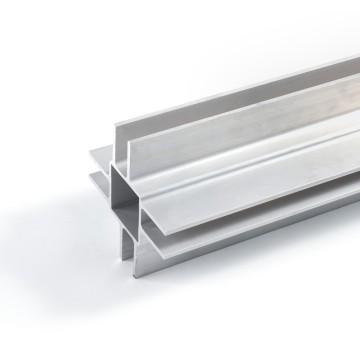
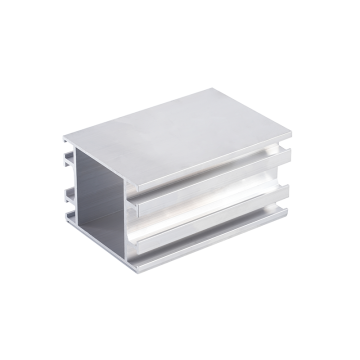
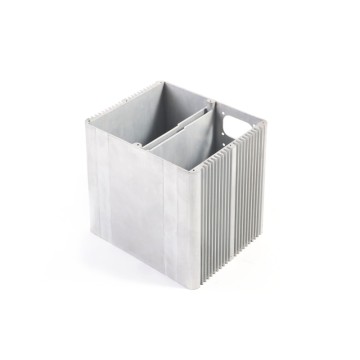
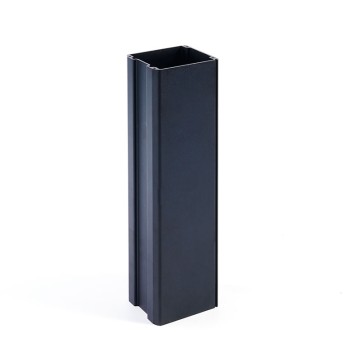
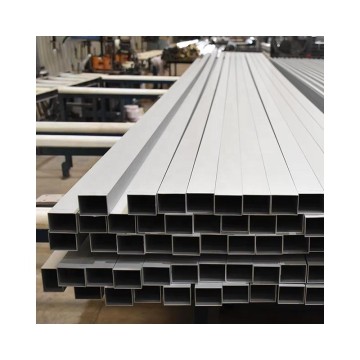
Engineered for high-load window and door configurations, offering unrivaled structural performance and clean modern lines.
Residential fenestration—encompassing windows, doors, skylights, and curtain walls—is no longer merely functional. In contemporary residential architecture, fenestration is a critical design element that bridges interior comfort with exterior aesthetics, while significantly influencing a building's overall energy performance, structural integrity, and long-term durability. Among the materials driving this architectural revolution, anodized aluminum profiles stand at the absolute forefront.
Anodized aluminum profiles offer a unique combination of lightweight strength, design flexibility, and exceptional resistance to environmental degradation. Unlike traditional materials such as wood or unreinforced PVC, aluminum can support massive expanses of double- or triple-glazed glass with incredibly slim sightlines. This enables architects to design homes with sweeping panoramic views and abundant natural light, without compromising on safety or energy efficiency. The anodization process further elevates these profiles by creating a hard, integrated oxide layer that enhances their natural metallic beauty while offering permanent protection against corrosion, wear, and UV radiation.
Anodizing is an electrochemical process that converts the metal surface of extruded aluminum profiles into a decorative, durable, corrosion-resistant, anodic oxide finish. Because this oxide layer is integrated with the underlying aluminum substrate rather than applied to the surface like paint or powder coatings, it cannot chip, peel, or flake over time.
The global residential fenestration market is experiencing rapid growth, driven by urbanization, strict building energy codes, and a rising consumer preference for modern, sustainable, and low-maintenance homes. Industry data indicates that aluminum has become the preferred material for high-end residential developments and multi-family housing complexes across North America, Europe, and the Asia-Pacific region.
From an industrial perspective, manufacturers are investing heavily in advanced extrusion and finishing technologies to meet the demand for increasingly complex profile designs. High-capacity extrusion presses, coupled with automated anodizing lines, allow for the precise control of profile dimensions and coating thicknesses. This ensures that every batch of profiles meets international standards such as Qualanod or AAMA, providing architects and builders with the reliable performance required for demanding residential projects.
As energy efficiency regulations become more stringent worldwide, the demand for thermal break aluminum profiles has skyrocketed. Traditional aluminum is a highly conductive metal, which can lead to heat loss in winter and heat gain in summer. Modern residential fenestration addresses this by incorporating a non-conductive barrier—typically made of polyamide reinforced with glass fiber—between the inner and outer aluminum profiles. This "thermal break" breaks the path of thermal conduction, drastically improving the window's U-value and helping homeowners reduce their heating and cooling costs.
Modern architectural trends favor clean, minimalist aesthetics with maximum glass area. Extruded aluminum profiles are uniquely suited for this trend because of their high strength-to-weight ratio. Manufacturers can design ultra-slim frame profiles that support heavy double- or triple-glazed units, maximizing the daylight opening and creating a seamless connection between indoor and outdoor spaces.
The rise of smart home technology is reshaping the fenestration industry. Anodized aluminum profiles are increasingly designed with internal cavities to accommodate automated locking systems, motor drives for sliding doors, and sensors that monitor whether windows are open or closed. These integrated systems offer homeowners enhanced security, convenience, and energy management capabilities.
Precision-engineered building and industrial profiles designed to meet the highest standards of modern architecture and engineering.
Anodized aluminum profiles are incredibly versatile, finding application across various critical areas of modern residential construction:
Casement and tilt-and-turn windows are popular in modern homes due to their excellent sealing capabilities and ventilation flexibility. Anodized aluminum profiles provide the structural rigidity required to ensure these windows remain airtight and watertight under high wind loads, while the anodized surface ensures that the moving parts and frames resist wear and tear over thousands of operation cycles.
Creating a seamless transition between indoor living areas and outdoor patios or gardens is a staple of modern residential design. This is achieved through large sliding or bi-fold doors. Anodized aluminum profiles are essential here; they can support massive, heavy glass panes while maintaining a slim frame profile. The hard anodized finish on the tracks ensures smooth, quiet operation and prevents the wear that can occur from dirt and debris getting trapped in the track.
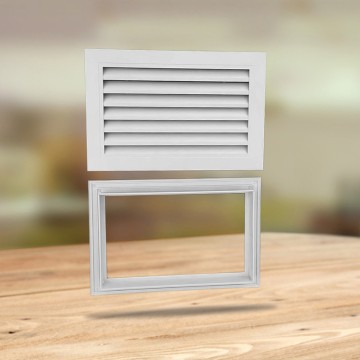
Residential buildings require effective ventilation and solar shading to maintain comfortable indoor temperatures and air quality. Aluminum louvers and grilles made from anodized profiles are widely used on building facades to provide shade, redirect airflow, and protect HVAC intakes from rainwater, all while contributing to the building's modern aesthetic.
Once reserved for commercial skyscrapers, curtain wall systems are increasingly being used in luxury residential designs. These systems replace entire exterior walls with glass, supported by a structural framework of anodized aluminum profiles. The strength, weatherability, and precise tolerances of aluminum extrusions are critical to ensuring the safety, energy efficiency, and structural integrity of these large-scale glass facades.
Demonstrating our global footprint in high-end residential, commercial, and industrial architectural projects.


State-of-the-art extrusion lines capable of producing complex, high-precision profiles tailored to custom residential architectural designs.
Highly controlled electrochemical finishing lines that guarantee uniform coating thickness, rich metallic colors, and long-term surface durability.
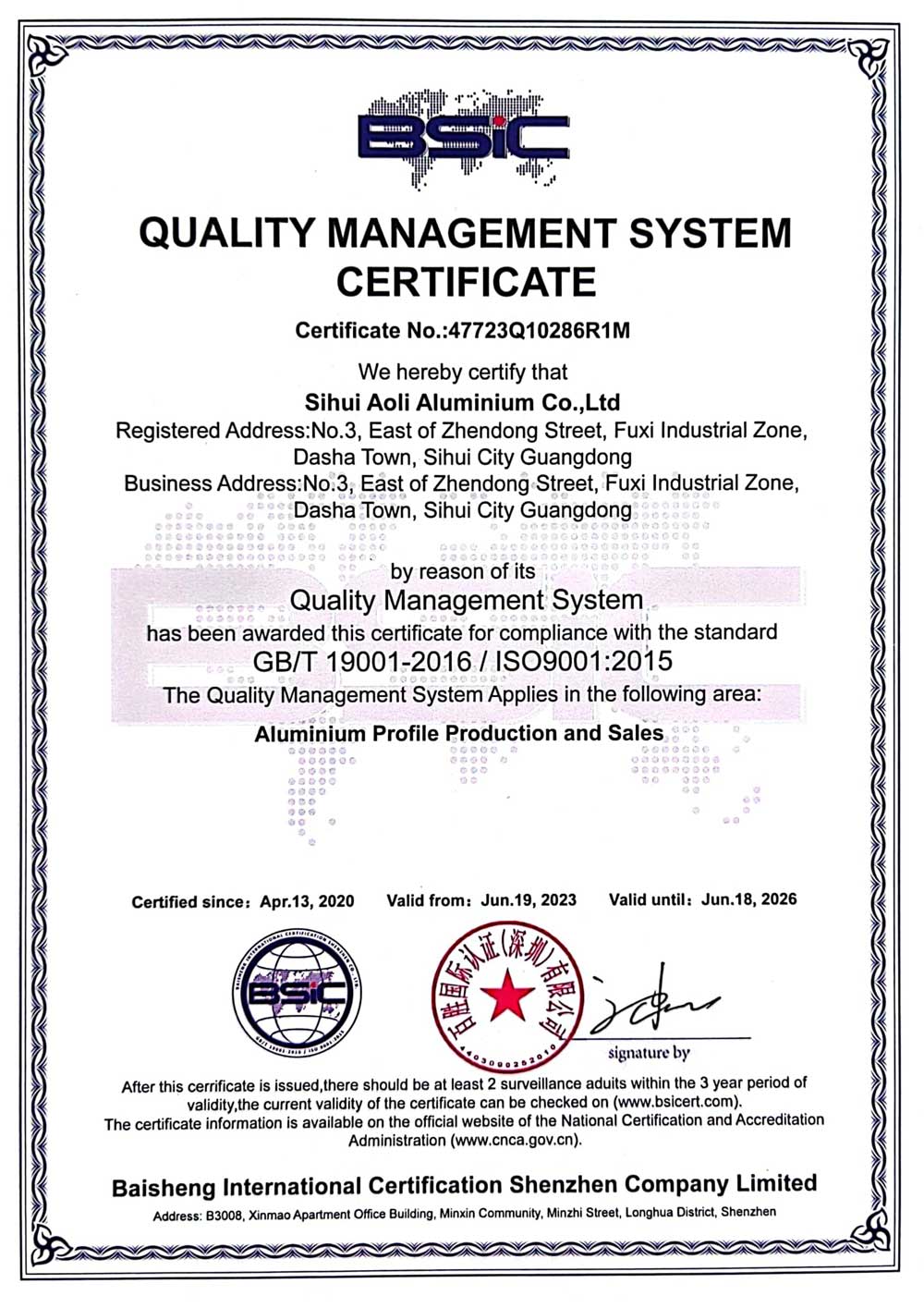
Strict quality control processes ensuring full compliance with international standards, backed by CE, Qualicoat, and ISO certifications.
Our commitment to excellence is verified by leading international certification bodies.


Stay informed about the latest trends, market analyses, and innovations in the aluminum extrusion industry.
Aoli Aluminum extends warm holiday wishes and provides strategic insights for early order planning to ensure seamless project delivery in 2026.
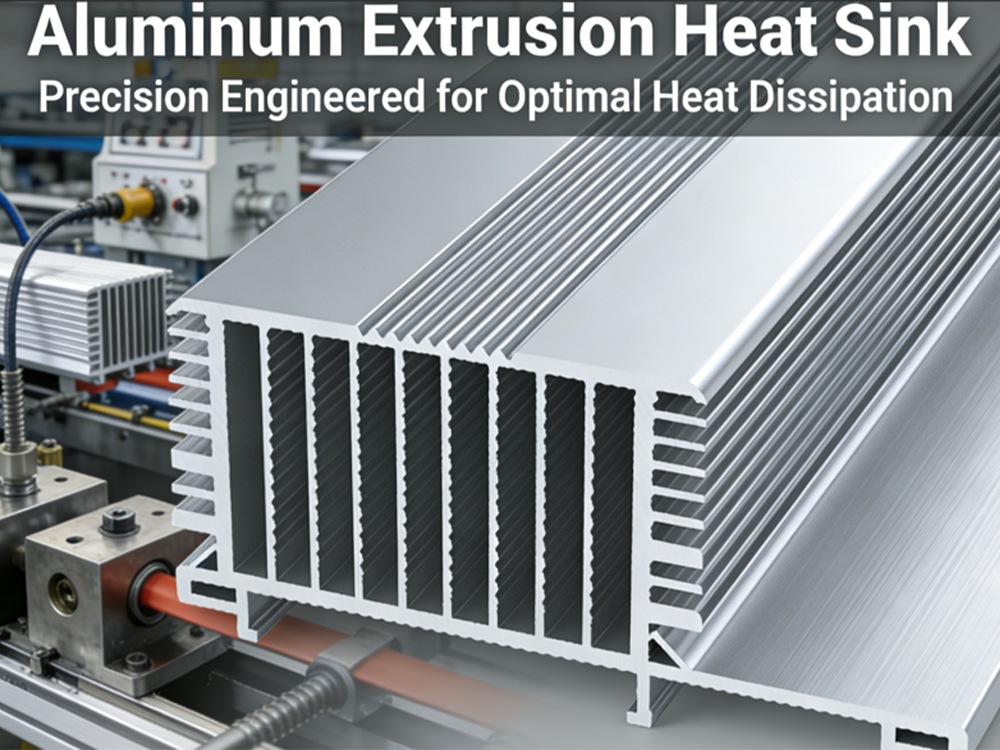
An in-depth analysis of the manufacturing processes and material science behind high-efficiency extruded heat sinks for electronic applications.
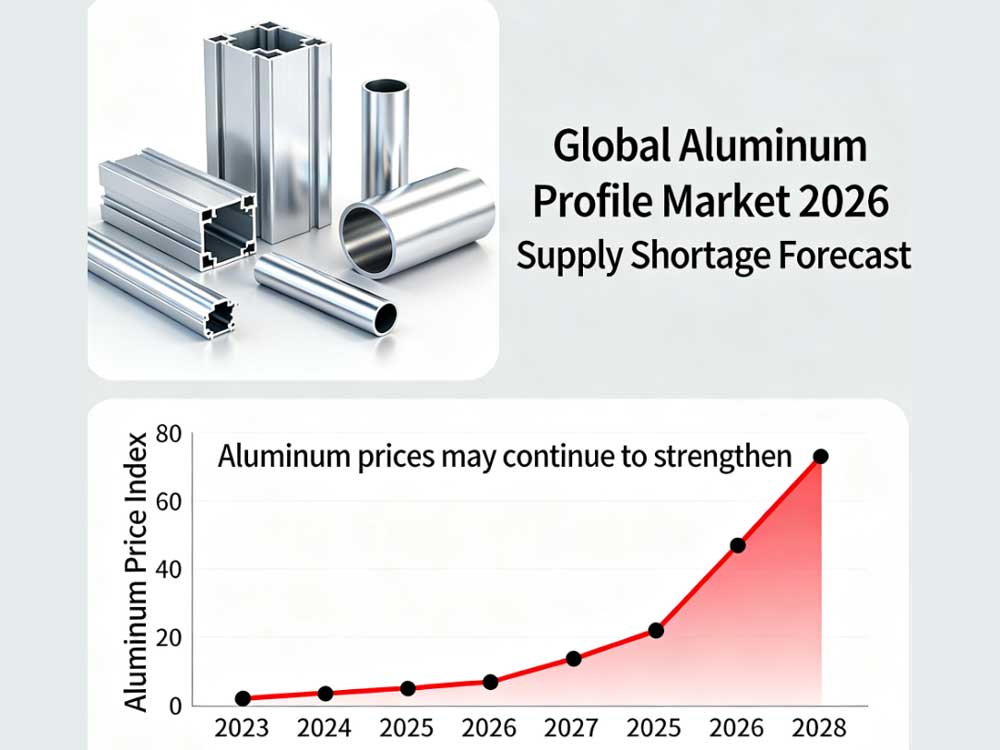
Exploring the key macroeconomic drivers, sustainability initiatives, and market dynamics shaping the global aluminum industry throughout 2026.
Discover our full range of high-performance architectural and industrial aluminum extrusion solutions.