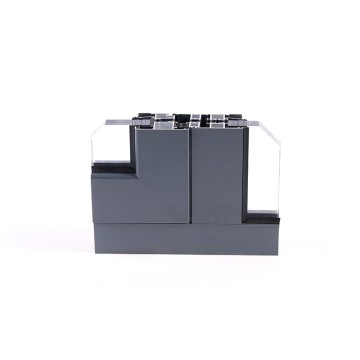
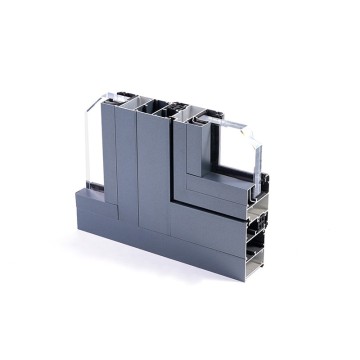
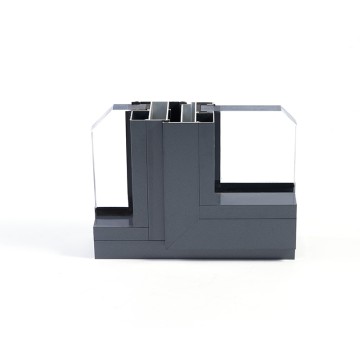
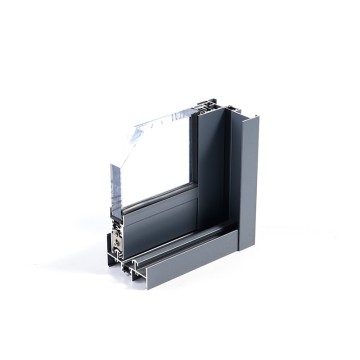
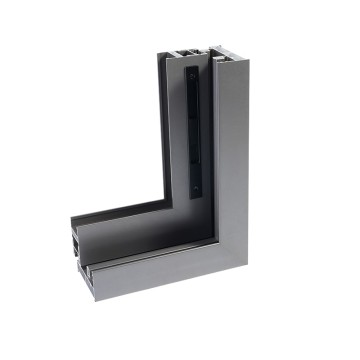
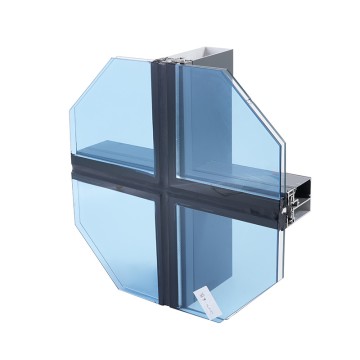
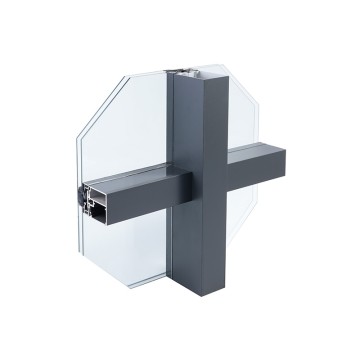
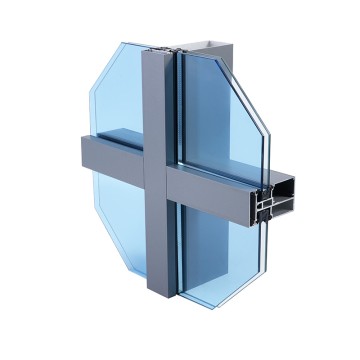
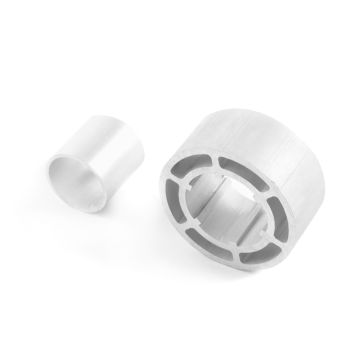
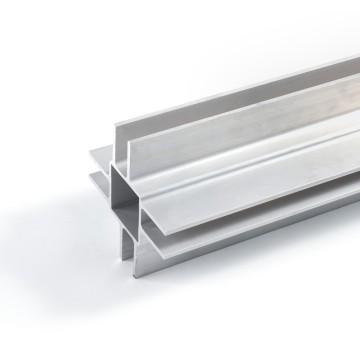
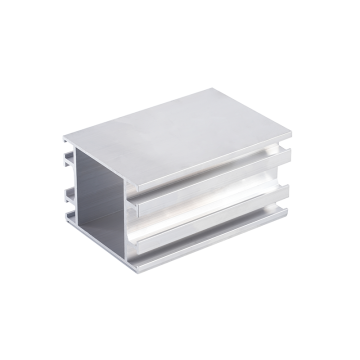
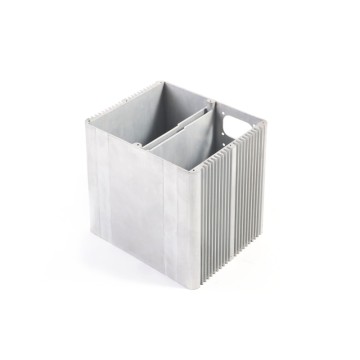
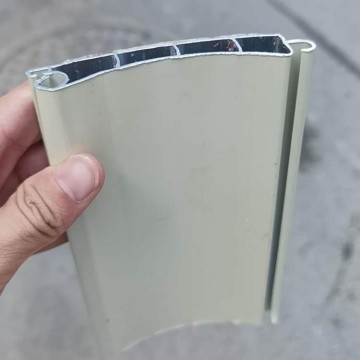
Discover our top-tier selection of precision-extruded profiles engineered specifically to withstand structural stress while delivering modern sleek aesthetics for commercial projects.
Modern commercial architecture is undergoing a rapid evolution. Developers, architects, and structural engineers are no longer just looking for materials that provide basic support; they require solutions that satisfy aesthetic flexibility, structural longevity, and stringent environmental standards. Anodized aluminum profiles have emerged as the cornerstone of this paradigm shift. The global demand for architectural aluminum extrusions is driven by the rapid urbanization in emerging economies and the massive push towards green building certifications such as LEED (Leadership in Energy and Environmental Design) and BREEAM.
Anodizing is an electrochemical process that converts the metal surface into a decorative, durable, corrosion-resistant, anodic oxide finish. Unlike paint or powder coating, which can chip or peel, this protective oxide layer is fully integrated with the underlying aluminum substrate. In high-traffic commercial zones—such as shopping malls, high-rise office towers, airports, and public transit hubs—this structural integration prevents degradation from atmospheric pollutants, UV radiation, and heavy physical wear.
According to recent industry market analyses, the architectural aluminum extrusion market is expected to witness a compound annual growth rate (CAGR) of over 6% through the next decade. The major catalyst is the material's recyclability. Aluminum can be recycled infinitely without losing its properties, making it an essential component of the circular economy in modern construction projects.
Furthermore, the physical characteristics of architectural aluminum profiles are highly customizable. Alloys such as 6063-T5 and 6063-T6 offer the perfect balance of tensile strength, ease of extrusion, and excellent surface finishing properties. Whether applied to complex double-skin curtain walls or minimal window frame structures, anodized extrusions provide the structural integrity required to support massive glass spans while maintaining a sleek, modern visual profile.
Curtain walls form the outer envelope of modern skyscrapers. They must withstand wind loads, seismic movements, and thermal expansion while preventing water infiltration. Anodized aluminum profiles serve as the structural mullions and transoms that hold the glass panels in place. The anodized layer provides a high emissivity surface, which contributes to the thermal management of the building envelope. By preventing galvanic corrosion at connection points, these profiles ensure that the building's exterior remains maintenance-free for decades.
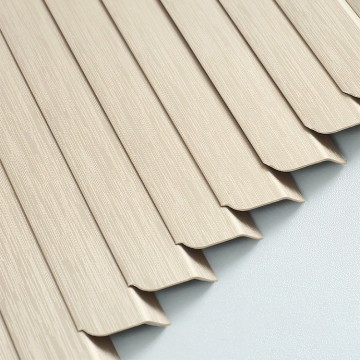
Energy efficiency is a key metric in modern commercial architecture. Passive solar control systems, such as louvers and sunshades, dramatically reduce the cooling load on HVAC systems. Extruded aluminum louvers finished with anodized coatings offer excellent structural rigidity to resist high wind speeds at elevated heights. The metallic luster of clear or colored anodizing reflects solar radiation, minimizing heat absorption into the building facade.
Commercial storefronts and entry doors endure constant physical contact and exposure to elements. Standard paint finishes quickly show scratches and wear. Anodized finishes, with a hardness comparable to sapphire, resist abrasions from keys, carts, and foot traffic. Moreover, the ease of cleaning anodized surfaces makes them highly hygienic for public entrances.
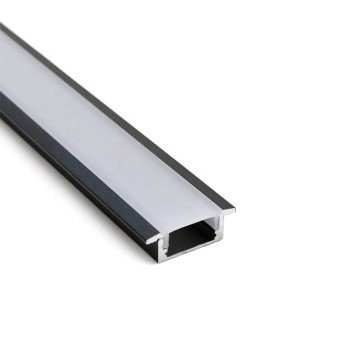
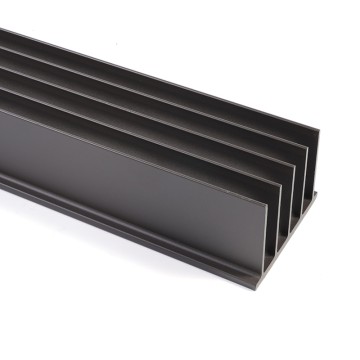
The application of anodized aluminum extends deep into interior spaces. Structural baffles, ceiling grids, and LED lighting channels utilize thin, lightweight extrusions. Anodized black or satin silver finishes provide a clean, industrial aesthetic that complements modern exposed-ceiling designs. The high thermal conductivity of aluminum also serves as a natural heat sink for high-power LED strips, extending the lifespan of interior lighting fixtures.

Explore our comprehensive range of specialized profiles engineered for structural building envelopes and heavy-duty industrial applications.
The manufacturing process of aluminum profiles for commercial facades has advanced beyond simple extrusion. Today, precision engineering requires adherence to strict global standards such as the European Qualanod specifications and the American AAMA 611 standard. These standards define the thickness of the anodic coating based on the severity of the exposure environment:
In addition to film thickness, the sealing process is critical. Anodizing leaves the aluminum oxide layer porous. To ensure long-term durability and prevent staining, these pores must be sealed. Modern production lines utilize warm water sealing, nickel-based cold sealing, or eco-friendly metal-free sealing systems. This step ensures the profiles are resistant to acids, alkalis, and atmospheric humidity, keeping the metallic finish pristine for over 30 years.
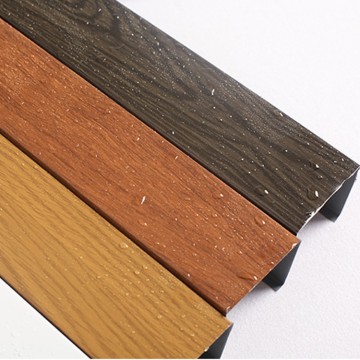
Architects increasingly demand color options beyond clear anodized silver. Using electrolytic coloring with metal salts (such as tin or cobalt), we produce light bronzes, deep bronzes, champagne, gold, and deep black finishes. Because the color is deposited at the bottom of the pores before sealing, it is completely immune to UV fading. This makes anodized aluminum profiles superior to organic coatings, which degrade and chalk under intense solar radiation.
We specialize in the manufacturing of high-performance aluminum alloy profiles for construction, decoration, and industrial applications globally.


Equipped with advanced extrusion presses, we manufacture profiles with complex geometries, thin walls, and strict tolerances down to ±0.1mm.
Our automated anodizing line ensures uniform film thickness, exceptional color consistency, and long-term weathering resistance under harsh UV exposure.
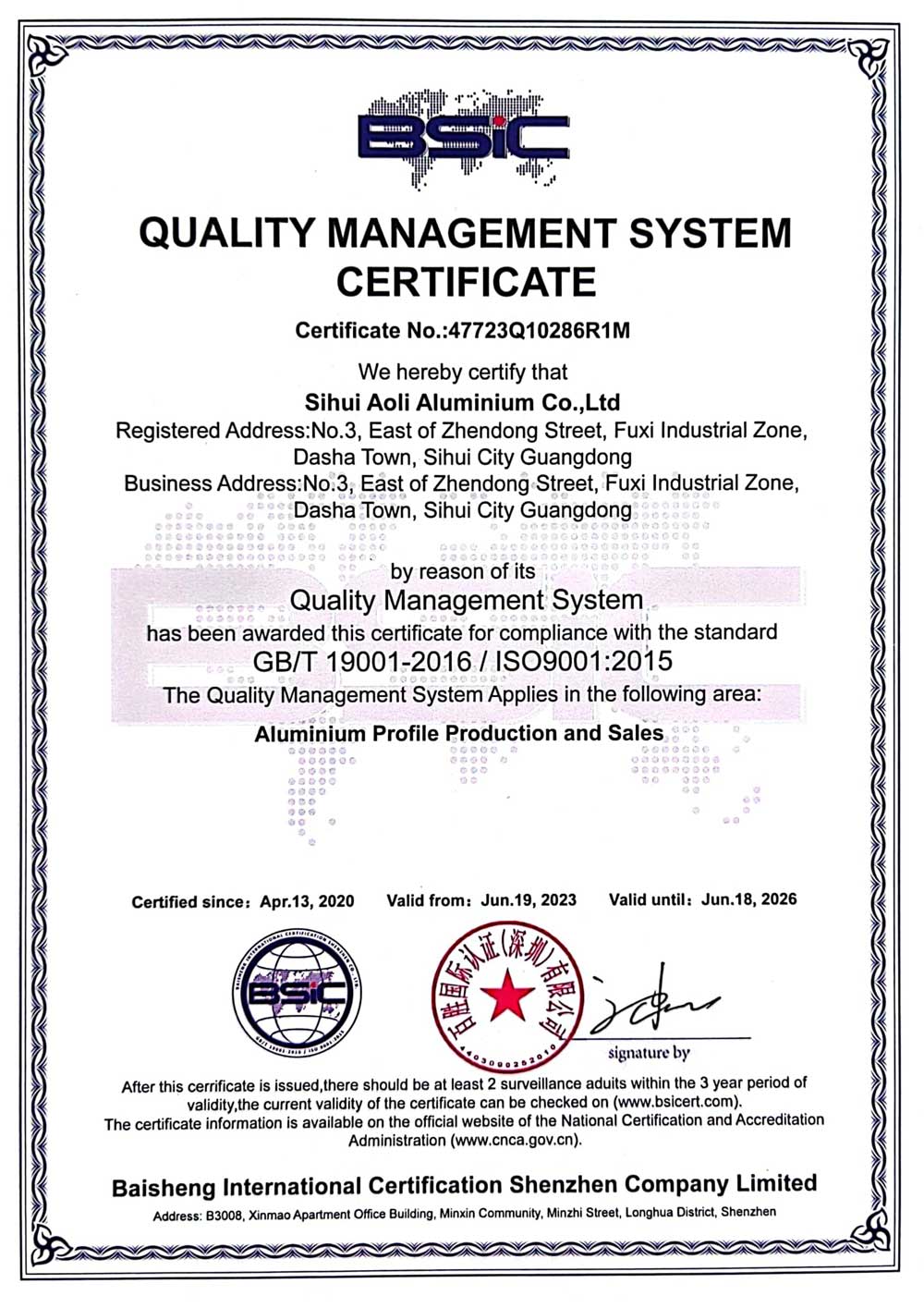
Certified under international standards, every production batch undergoes mechanical testing, chemical composition analysis, and surface finish inspection.


Optimizing supply chain timelines during seasonal shifts is crucial for international projects. Learn how we ensure continuous structural profile supply.
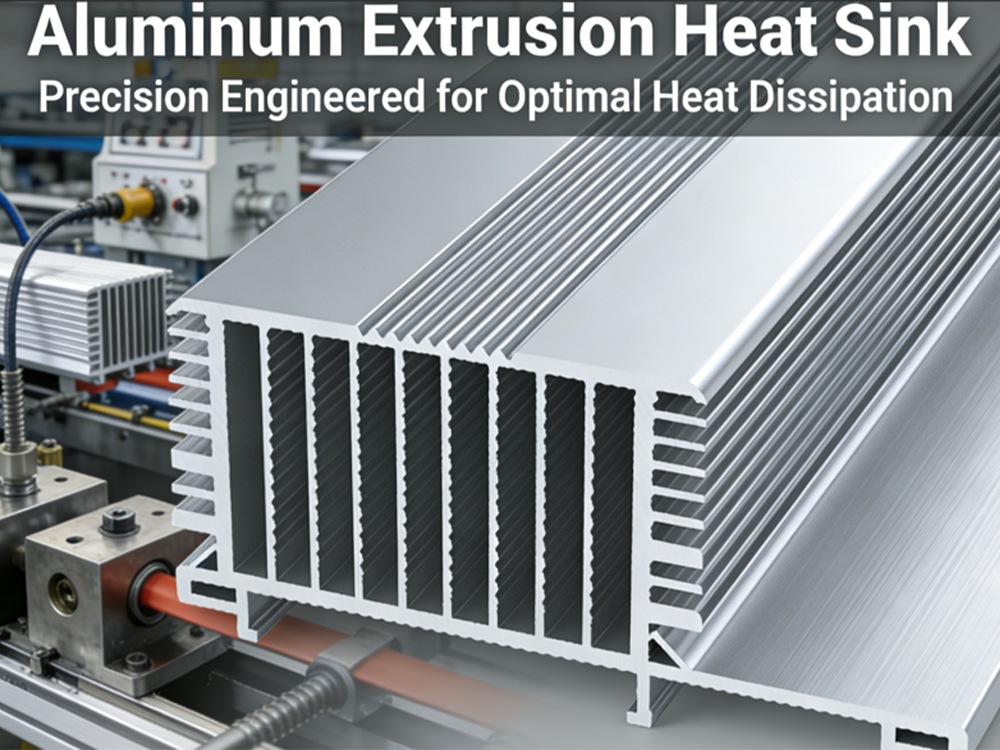
Exploring the thermal limits and cross-sectional optimization of extruded profiles for high-power electronics and modern architectural lighting systems.
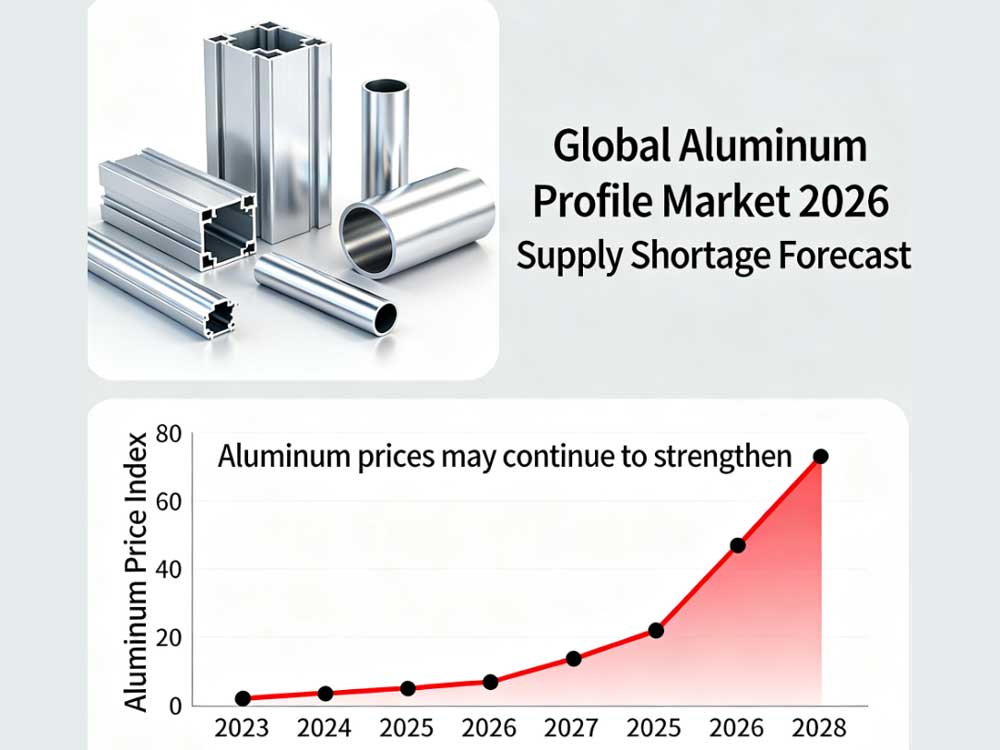
A comprehensive macroeconomic look at raw material accessibility, recycling rates, and pricing trends affecting architectural extrusions worldwide.
Browse our core product lineup, featuring custom-engineered components designed for structures, facades, and industrial applications.