The Evolution of Aluminum Window Profiles in Solar Energy Infrastructure
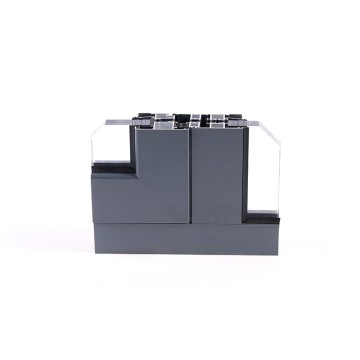
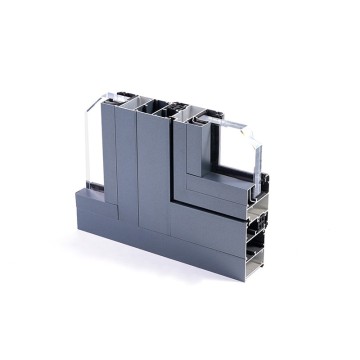
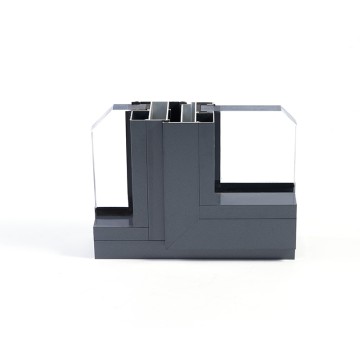
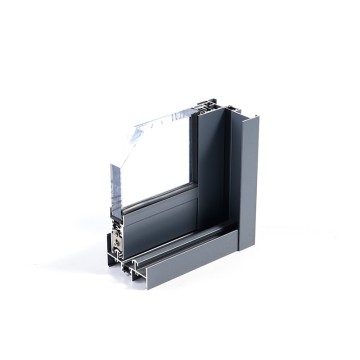
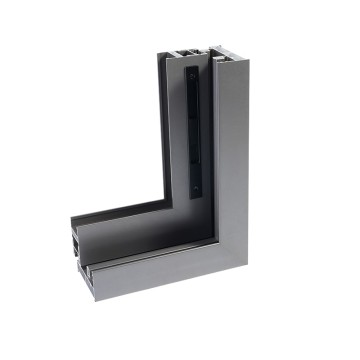
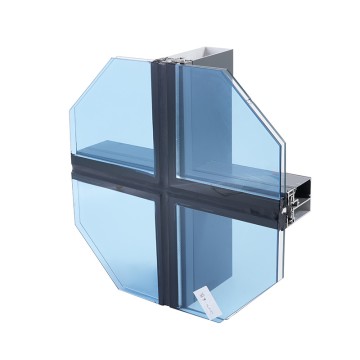
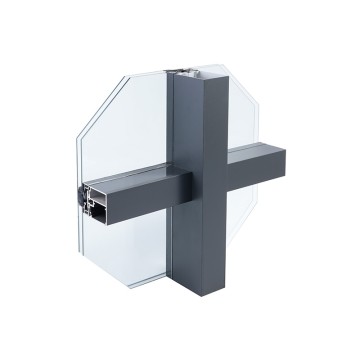
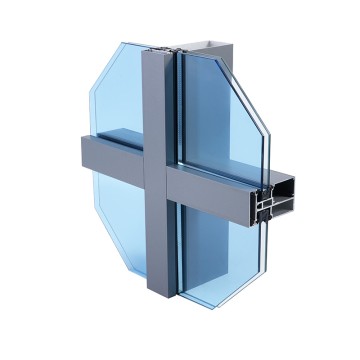
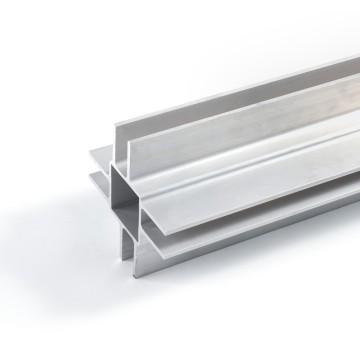
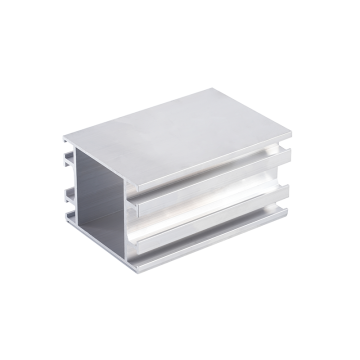
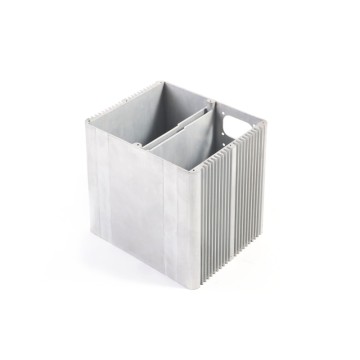
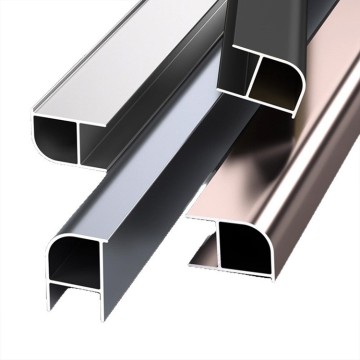
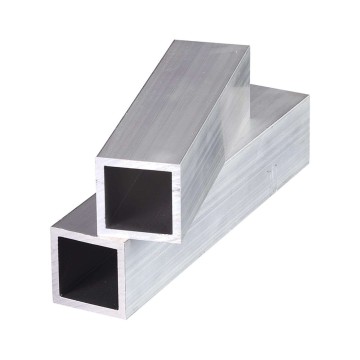
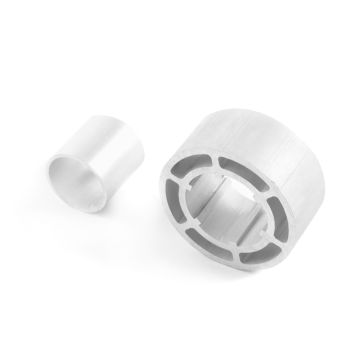
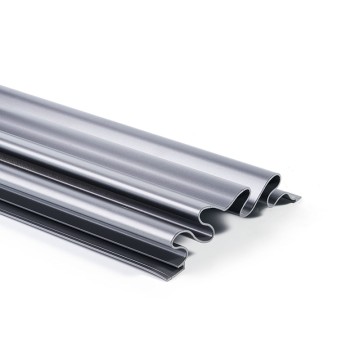
The global push for green building transitions has shifted architectural design from passive energy conservation to active energy generation. In this technological paradigm shift, the integration of solar panels directly into structural envelopes—known as Building-Integrated Photovoltaics (BIPV)—has emerged as a vital commercial trend. Central to this integration is the aluminum window profile for solar energy systems. These specialized profiles are no longer just framework elements; they are high-performance structural chassis designed to hold photovoltaic panels, thermal insulation layers, and electrical cabling, ensuring system longevity and structural integrity.
Commercial developers and industrial designers are increasingly turning to custom-extruded aluminum profiles to replace traditional heavy steel racking. Aluminum's natural resistance to oxidation, combined with advanced surface treatments like anodizing and PVDF coating, makes it the ideal material for solar facades that must endure decades of direct UV radiation and harsh weather conditions.
Commercial & Industrial Status of Solar Aluminum Profiles
The market demand for solar-integrated window profiles has experienced exponential growth. Driven by international green building certifications such as LEED (Leadership in Energy and Environmental Design) and BREEAM, corporate real estate developers are looking for ways to maximize the solar-capturing surface area of multi-story buildings. Since vertical facades represent a massive untapped surface area compared to limited roof spaces, solar window profiles have transitioned from a niche architectural concept to a mainstream commercial necessity.
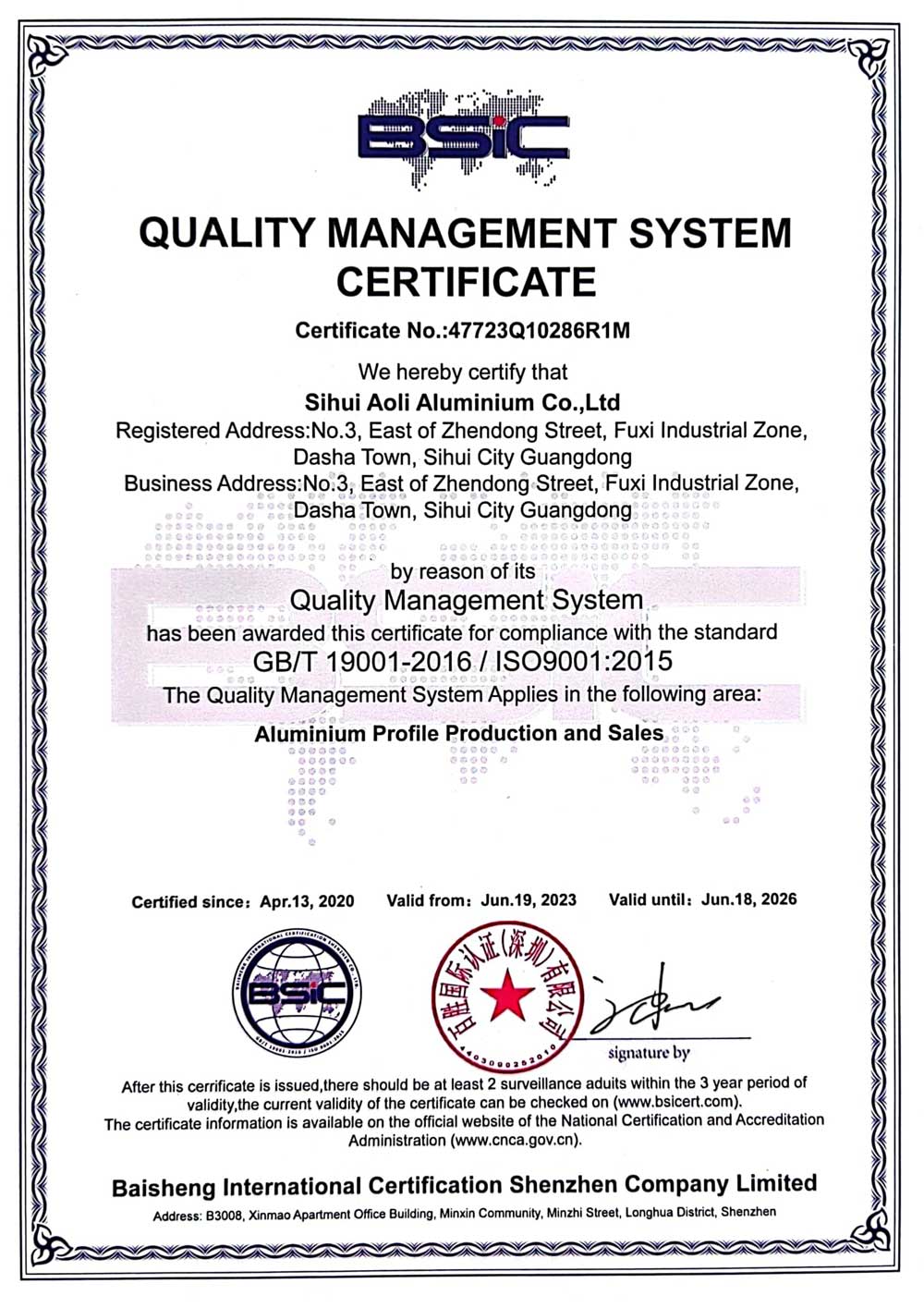
From an industrial standpoint, the manufacturing of these profiles requires strict adherence to precision tolerances. Aoli Aluminum leverages its annual capacity of over 100,000 tons to supply custom profiles that seamlessly interface with double-glazed and triple-glazed solar active glass. This industrial capability ensures that large-scale commercial projects receive profiles that match exact engineering requirements, reducing on-site installation time and minimizing structural alignment errors.
Deep Application Scenarios of Solar-Capable Aluminum Window Profiles
1. Commercial BIPV Curtain Walls
In high-rise commercial structures, aluminum window profiles are engineered to form the structural backbone of solar glass facades. These profiles feature dedicated internal cavities that route high-voltage wiring from the photovoltaic cells to the building's central inverter system. The profiles are designed to support heavy laminated glass layers while maintaining slim sightlines to satisfy aesthetic architectural designs.
2. Solar Greenhouses and Agricultural Integration
Modern commercial agriculture relies heavily on solar-integrated greenhouse structures. Aluminum profiles used in these scenarios must offer exceptional corrosion resistance due to the high humidity levels inside the greenhouse. By integrating solar panels into the roof window profiles, commercial growers can generate on-site power to run automated irrigation, ventilation, and heating systems, creating a self-sustaining agricultural environment.
3. Residential Solar Sunrooms and Skylights
For residential projects, homeowners seek sleek, energy-efficient profiles that combine thermal comfort with renewable power generation. Thermal break aluminum window profiles designed for solar sunrooms isolate external heat while capturing sunlight through integrated solar glass roofs. This dual-action design significantly reduces heating and cooling utility costs, offering a rapid return on investment.
Technological Innovations and Material Properties
To meet the rigorous demands of solar installations, aluminum profiles undergo advanced metallurgical processing. The use of 6063-T5 and T6 aluminum alloys ensures high mechanical strength, excellent weldability, and precise dimensional stability. Furthermore, the integration of polyamide thermal break strips within the profiles prevents thermal bridging, ensuring that the building's interior temperature remains unaffected by external solar heat absorption.
Surface treatments play a crucial role in protecting these structures. Anodizing provides a thick oxide layer that resists atmospheric corrosion, while powder coatings allow architects to match the profiles with any design aesthetic without compromising on durability. These technological enhancements guarantee that the aluminum window profiles will match the 25-to-30-year lifespan of the integrated solar panels themselves.
Future Development Trends: Smart Tracking and Circular Economy
Looking toward the future, the integration of smart technologies into aluminum profiles is the next frontier. Research is underway to develop window profiles with built-in micro-trackers that allow the integrated solar glass to tilt slightly to track the sun's path, maximizing energy capture throughout the day. Additionally, the industry is shifting toward "Green Aluminum"—using recycled aluminum alloys to manufacture profiles, thereby reducing the embodied carbon footprint of the solar systems even further.