Introduction: The German Standard for Architectural Excellence
In the contemporary landscape of European architecture, Germany stands as the ultimate benchmark for engineering precision, energy efficiency, and structural integrity. As urban planners and developers across Berlin, Munich, Frankfurt, and Hamburg push the boundaries of sustainable construction, the demand for high-performance aluminum sliding door profiles has reached unprecedented heights. These structural systems are no longer merely functional dividers; they are critical elements of the building envelope that dictate thermal performance, acoustic insulation, security, and visual aesthetics.
This comprehensive guide explores the dynamics of the German market, examining local industrial trends, localized application scenarios, and key technical factors that German architects, builders, and developers prioritize when sourcing premium aluminum extrusion profiles.
🇩🇪 German Industrial Landscape
Germany's strict building regulations, governed by the Gebäudeenergiegesetz (GEG), mandate highly insulated building components. Manufacturers supplying the German market must adapt to these rigorous standards by utilizing cutting-edge thermal break technology and low-carbon aluminum alloys.
🔬 Technological Advancements
From multi-chamber polyamide thermal barriers to smart home integration (motorized systems, smart locks, and sensor-driven automation), the German aluminum window and door sector is at the forefront of the global smart-building revolution.
The Commercial & Industrial Landscape of Aluminum Extrusions in Germany
Germany is the largest market for architectural aluminum profiles in Europe. The German construction sector is characterized by a strong preference for durable, low-maintenance, and highly recyclable materials, making aluminum the material of choice for modern commercial and residential facades. The industrial landscape is anchored by a combination of domestic system houses and global manufacturing partners who collaborate to meet the stringent demands of the local market.
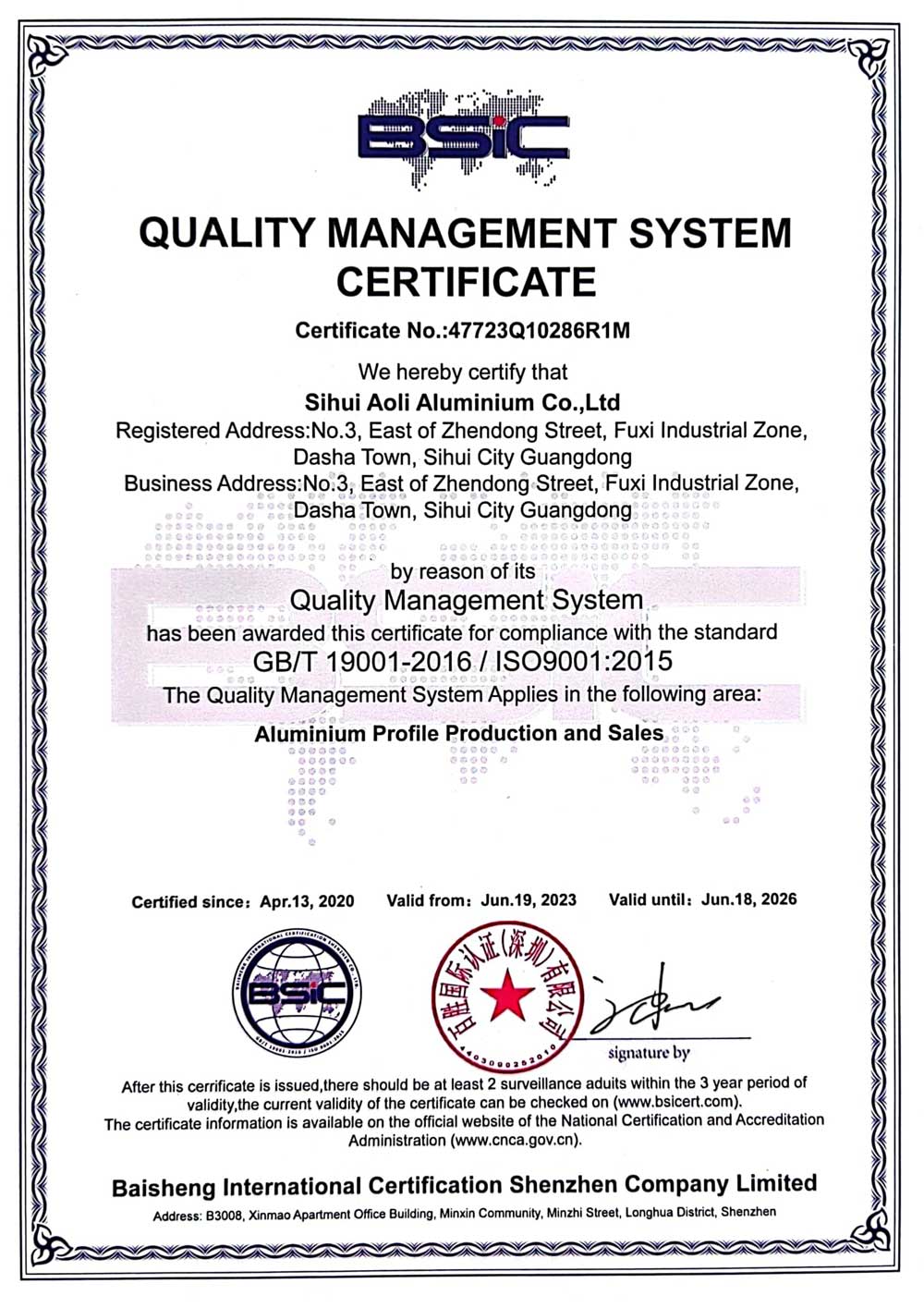
Key industrial clusters in regions like North Rhine-Westphalia, Baden-Württemberg, and Bavaria have long driven metalworking innovation. However, as production costs rise within Central Europe, German developers and system integrators increasingly seek strategic partnerships with global manufacturers who can deliver DIN-compliant products at competitive price points. This has opened the door for high-capacity, international suppliers who adhere strictly to German quality marks such as Qualicoat, Qualanod, and CE Certification.
Key Drivers of the German Market:
-
1
The Passive House (Passivhaus) Standard: Demanding extremely low U-values (often Uf ≤ 0.8 W/m²K) for window and door frames.
-
2
Decarbonization Goals: The German Federal Government's commitment to achieving climate neutrality in the building sector by 2045 has catalyzed the adoption of recycled aluminum profiles.
-
3
Urbanization and Spatial Optimisation: High land values in cities like Munich and Stuttgart drive the demand for large-format sliding doors that maximize interior living space.
Key Technological Development Trends in Aluminum Sliding Door Profiles
The engineering of aluminum sliding door profiles has evolved rapidly to keep pace with changing architectural trends and environmental regulations in Germany. Below are the primary technological directions shaping the industry today:
1. Advanced Multi-Chamber Thermal Breaks
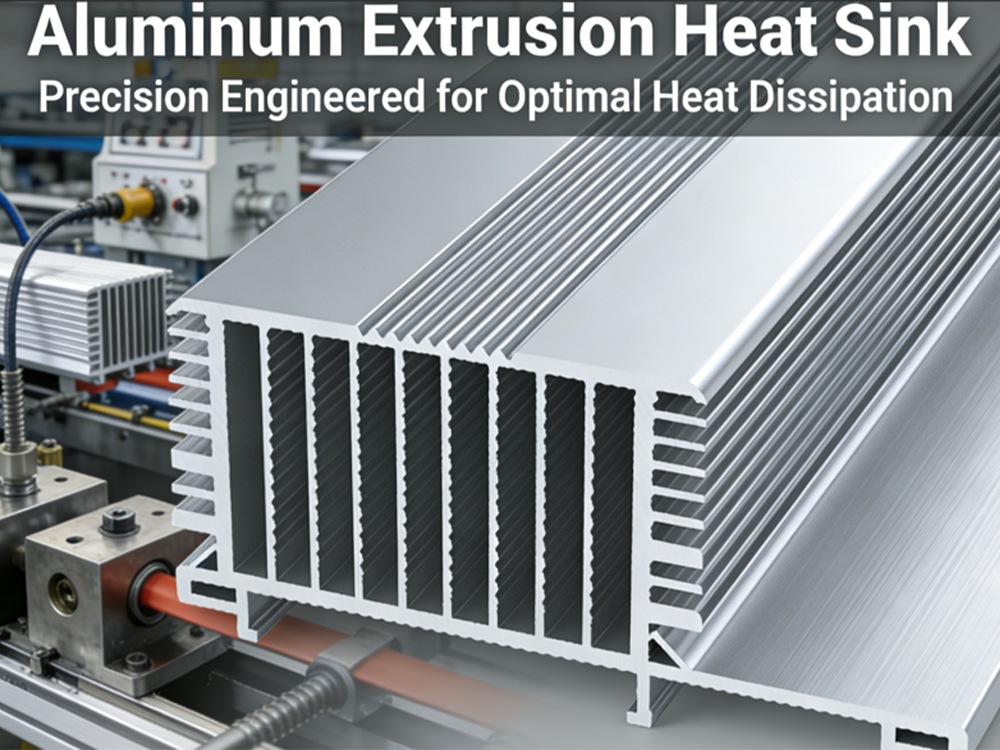
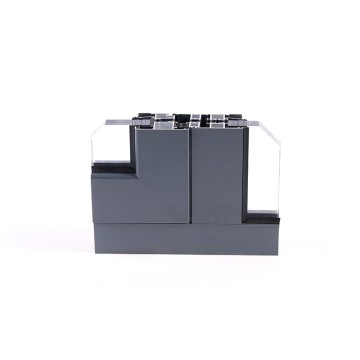
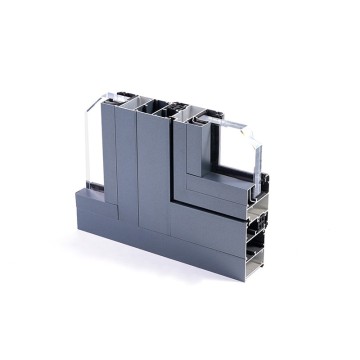
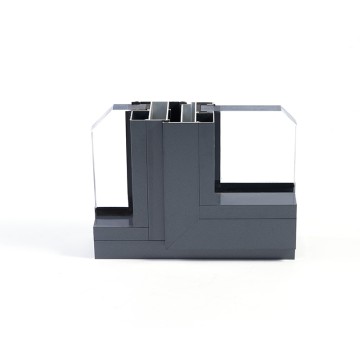
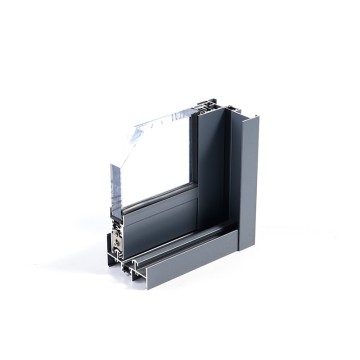
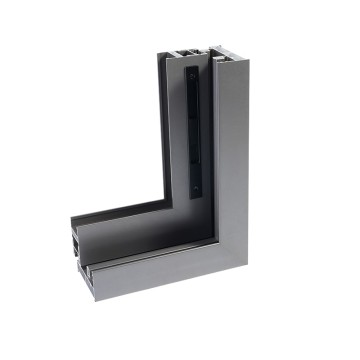
Aluminum is naturally a highly conductive metal. To prevent thermal bridging, modern profiles incorporate advanced thermal barriers. German specifications typically require polyamide insulation strips reinforced with glass fiber, often combined with low-emissivity foam inserts within the profile chambers. This multi-chamber design ensures that winter heat is retained inside, while summer heat is kept out, drastically reducing heating and cooling loads in accordance with GEG requirements.
2. Ultra-Slim Sightlines and Minimalist Aesthetics
Modern German architecture favors "Lichtdurchflutete Räume" (light-flooded spaces). To achieve this, manufacturers have developed slim-line sliding door profiles where the interlocking section is minimized to as little as 20mm to 30mm. Despite the reduced visible width, these profiles utilize high-tensile alloys (such as 6063-T6 or 6005-T6) to support heavy double- or triple-glazed units weighing up to 500 kg per panel.
3. Smart Home Integration and Security (RC2 / RC3)
Security is a paramount concern for German homeowners and commercial operators. Aluminum sliding door profiles are engineered to accommodate multi-point locking systems, integrated magnetic contacts for alarm systems, and motorized lift-and-slide mechanisms. These smart systems can be controlled via smartphone apps or building management systems (BMS). Furthermore, the profiles are designed to meet resistance classes RC2 and RC3 (Resistance Class) according to DIN EN 1627, ensuring robust protection against forced entry.
4. Circular Economy and Low-Carbon Alloys
Sustainability is a core purchasing criterion in Germany. Leading manufacturers are focusing on "Green Aluminum"—using raw materials smelted with renewable energy (such as hydropower) or incorporating high percentages of post-consumer recycled content. This significantly reduces the Product Carbon Footprint (PCF) and helps projects achieve German Sustainable Building Council (DGNB) certifications.
Localized Application Scenarios across Germany
Aluminum sliding door profiles find diverse applications across various German architectural typologies, each requiring specific design features:
🏡 Luxury Residential Villas
In high-end residential areas such as Lake Starnberg near Munich or the suburbs of Düsseldorf, panoramic lift-and-slide doors are standard. These systems feature flush thresholds (barrierefrei) to provide a seamless transition from indoor living spaces to outdoor terraces, complying with DIN 18040 accessibility guidelines.
🏢 Urban Commercial Towers
In the financial hubs of Frankfurt and Berlin, large-scale sliding facades are integrated into high-rise office towers. These profiles must withstand extreme wind loads (DIN EN 12210) and offer superior acoustic insulation (DIN EN ISO 717-1) to block out city noise, ensuring a productive working environment.
3. Historical Renovation (Altbau-Sanierung)
Germany possesses a vast stock of historic buildings. When renovating these structures, architects must preserve the traditional aesthetic while meeting modern energy efficiency standards. Specially designed slim aluminum profiles with custom powder-coated finishes (such as textured DB 703 or classic RAL tones) are utilized to replicate historical steel frames while providing modern thermal performance.
Technical Specifications & Compliance Standards for Germany
To successfully supply aluminum profiles to the German market, manufacturers must ensure compliance with a complex matrix of European (EN) and German (DIN) standards. Below is a summary of the critical testing and certification parameters:
| Standard / Regulation |
Focus Area |
German Requirement / Benchmark |
| DIN EN 12020-2 |
Tolerances on dimensions and form |
High precision tolerances for seamless frame assembly. |
| DIN EN 12207 |
Air permeability of windows & doors |
Typically Class 4 (highest level of airtightness). |
| DIN EN 12208 |
Watertightness under driving rain |
Class 9A or higher for exposed high-rise structures. |
| Qualicoat / Qualanod |
Surface treatment (Powder coating / Anodizing) |
Guarantees resistance to UV radiation, corrosion, and chalking. |
Choosing the Right Manufacturer and Supplier
For German developers, system integrators, and distributors, finding a reliable supplier involves assessing more than just the price per ton. A successful partnership relies on several critical capabilities:
1. Custom Tooling and Extrusion Expertise: The ability to develop custom extrusion dies based on CAD/BIM models provided by architects. This allows for bespoke sliding door solutions tailored to specific project requirements.
2. Advanced Surface Treatment: Offering a wide range of surface finishes, including premium powder coating (RAL colors, structural effects) and anodizing, which are essential for protecting the profiles against Germany's varied weather conditions.
3. Reliable Logistics and Packaging: Transporting long-length aluminum profiles (typically 6 meters or custom cut-to-length) requires robust wood-crate packaging and reliable shipping terms (e.g., DDP or CIF German ports) to ensure materials arrive without scratches or warping.
By combining high-volume production capabilities with rigorous quality control systems, premier manufacturers can offer German clients cost-effective solutions without compromising on the high standards of performance and durability expected in the region.

 Contact WhatsApp
 Contact Phone
 Contact Email
 Wechat+8618029386470
 Whatsapp