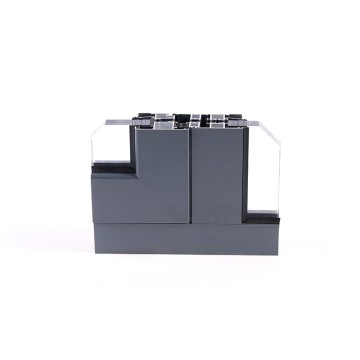
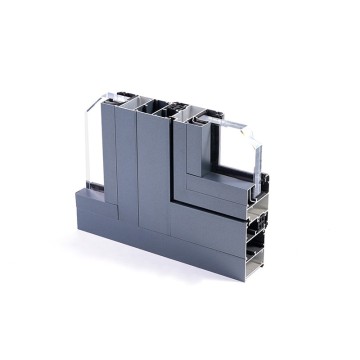
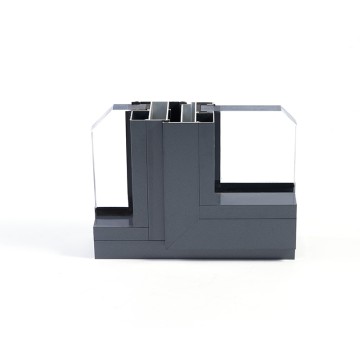
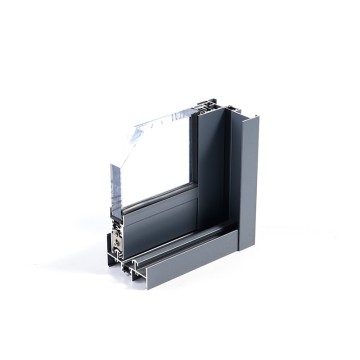
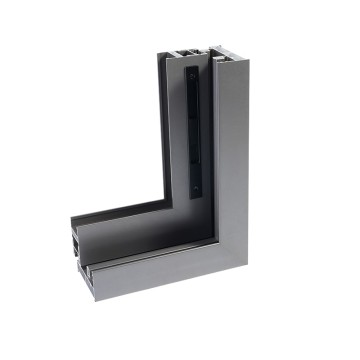
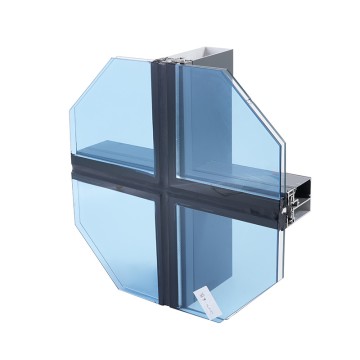
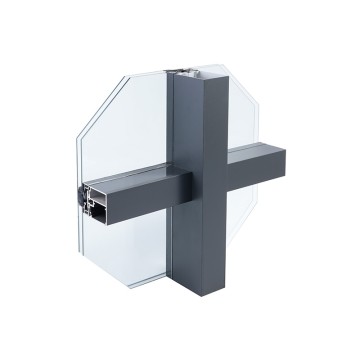
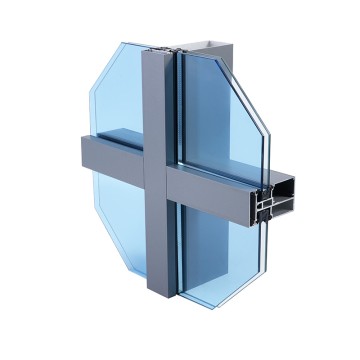
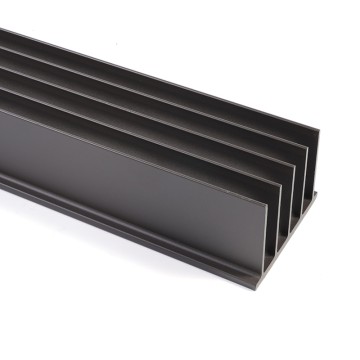
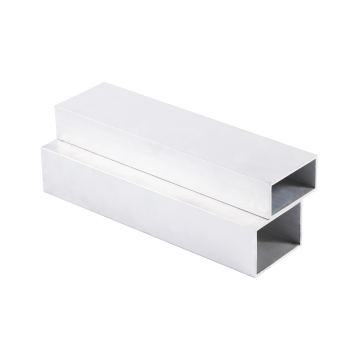
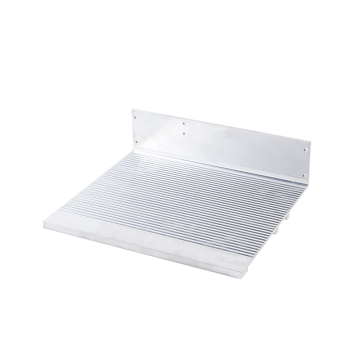
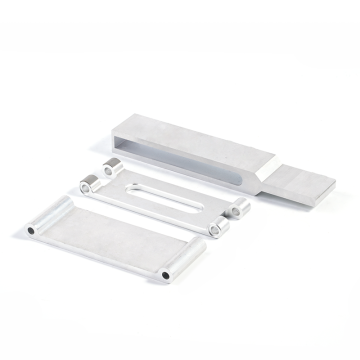
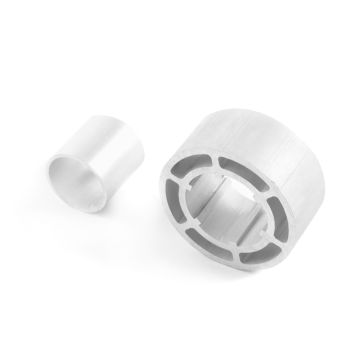
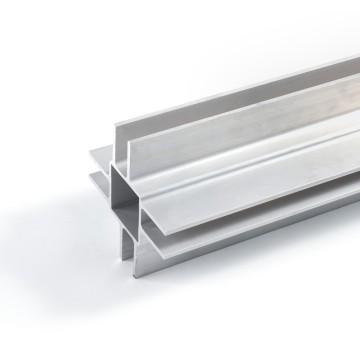
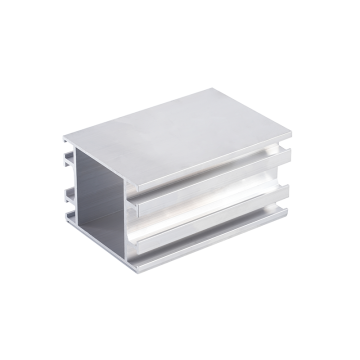
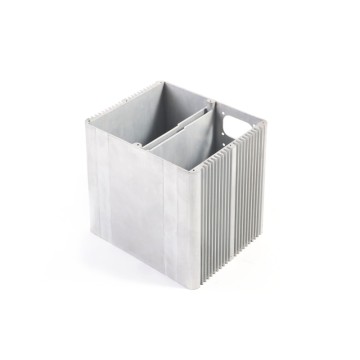
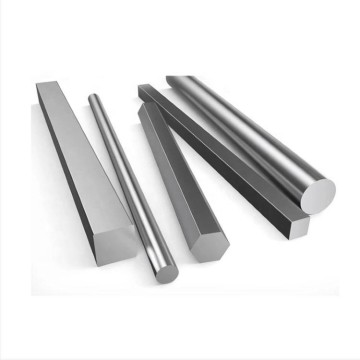
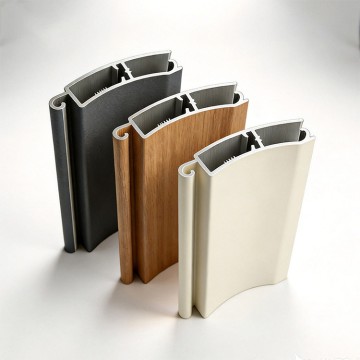
Engineered with tight dimensional tolerances, superior surface finishes, and automotive-grade alloys (EN AW-6063-T6 / EN AW-6082-T6) to support power-operated sliding mechanisms, seal retainers, and chassis integration.
In the rapidly transforming global automotive engineering landscape, lightweight aluminum extrusions have evolved from an elective design luxury into an essential structural prerequisite. Historically associated with conventional delivery vans and minivans, the automotive sliding door assembly is undergoing a profound technological renaissance. Driven by the exponential growth of electric vehicles (EVs), shared autonomous transport shuttles, and specialized urban last-mile delivery fleets, Tier-1 automotive manufacturers and OEMs face intense pressure to reduce curb weight, maximize cabin ingress apertures, and ensure impeccable structural crashworthiness.
A custom-extruded aluminum sliding door profile represents one of the most mechanically demanding components in body-in-white (BIW) kinematics. Unlike standard fixed door frames, sliding door track profiles must concurrently fulfill multiple high-stress roles: acting as an ultra-smooth kinetic linear guideway for power-actuated roller assemblies, providing rigid torsional resistance against side-impact lateral intrusion, sealing pressurized vehicle cabins against environmental noise and moisture, and minimizing vehicle center of gravity. As electric architectures demand greater kilowatt-hour battery payloads, replacing legacy heavy stamped-steel assemblies with precision-extruded 6000-series and 7000-series aluminum profiles delivers a weight reduction of up to 45% per door aperture without compromising static or dynamic stiffness.

Extruded multi-cavity roller tracks machined to tight ISO 2768-m tolerances, guaranteeing friction-free glide, zero-play roller carriage travel, and silent electric motor actuation over 150,000 duty cycles.
Engineered hollow-section geometries utilizing high-ductility 6082-T6 and 7003 aluminum alloys absorb oblique kinetic collision forces, shielding high-voltage EV battery packs and occupant compartments.
Automotive-spec hard anodizing and cathodic electrodeposition (E-coat) passing 1,000+ hours of ASTM B117 neutral salt spray testing, enduring extreme road salts, humidity, and thermal shock.
The mechanical performance of an automotive sliding door profile is intrinsically governed by its metallurgical composition and artificial aging heat treatment. Traditional building profiles rely on generic 6063-T5 aluminum; conversely, automotive engineering demands tightly controlled homogenizing cycles, nitrogen-cooled die extrusions, and multi-stage T6 precipitation hardening.
Automotive door sliding assemblies must maintain dimensional stability under extreme mechanical vibrations and ambient temperatures ranging from -40°C to +85°C. Our custom profiles integrate integrated sealing lips, cable management raceways for power-sliding sensors, and anti-pinch optical channel brackets directly into the net-shape extruded profile.
Modern vehicle architects incorporate custom extruded aluminum profiles into diverse automotive segments, each exhibiting distinct structural and kinematic requirements:
Commercial delivery fleets operate under relentless urban duty cycles, with sliding cargo doors cycled 150 to 250 times daily. Multi-chamber aluminum guide profiles feature wear-resistant hard-anodized track surfaces that preserve zero-wear tolerances despite dust contamination and high-frequency operational abuse.
For premium multi-purpose passenger vehicles, acoustic refinement is paramount. Extruded sliding door channels incorporate precision co-extruded rubber gasket retention grooves and sound-dampening hollow pockets that deliver whisper-quiet electric door travel and hermetic cabin acoustic sealing.
Next-generation autonomous mobility pods demand massive double-leaf pocket sliding doors with zero B-pillar obstruction. High-modulus structural aluminum profiles serve as load-bearing roof headers and chassis threshold rails capable of carrying dynamic door weights up to 120 kg.
Comprehensive comparative data illustrating mechanical thresholds, alloying properties, and fabrication tolerances for automotive sliding door profiles versus commercial architectural standards.
| Performance Metric | Standard Architectural Profile | Automotive Sliding Door Profile (Aoli Spec) | High-Load EV Commercial Spec |
|---|---|---|---|
| Target Alloy Grade | EN AW-6063-T5 | EN AW-6063-T6 / 6005A-T6 | EN AW-6082-T6 / 7003-T6 |
| Yield Strength (Rp0.2) | ≥ 110 MPa | ≥ 190 - 240 MPa | ≥ 260 - 320 MPa |
| Tensile Strength (Rm) | ≥ 160 MPa | ≥ 230 - 275 MPa | ≥ 310 - 350 MPa |
| Elongation at Break (A50) | ≥ 6 - 8% | ≥ 10 - 12% | ≥ 12 - 15% (Crash-Optimized) |
| Dimensional Tolerance | EN 755-9 Standard | EN 12020-2 Micro-Precision (±0.12 mm) | Automotive Customized (±0.08 mm) |
| Straightness & Twist | 1.5 mm / 1000 mm | ≤ 0.5 mm / 1000 mm | ≤ 0.3 mm / 1000 mm |
| Corrosion Resistance | 240 hrs Salt Spray (ISO 9227) | 1,000 hrs ASTM B117 Neutral Salt Spray | 1,500 hrs CASS / Cyclic Corrosion Testing |
| Fatigue Cycling Life | 20,000 cycles | 150,000 continuous door cycles | 250,000 heavy-duty duty cycles |
Extruding an automotive sliding door profile is solely the initial phase of the manufacturing workflow. Vehicle bodywork contours dictate that sliding tracks conform smoothly to complex vehicle quarter panels and roof rails. This necessitates sophisticated 3D stretch-bending technologies that preserve the internal cross-sectional track geometry without localized wrinkling, cross-sectional ovalization, or spring-back deviations.
Integrated 5-axis CNC high-speed machining centers mill hinge bolt pockets, drainage channels, wiring clip apertures, and limit-stop notches in single-setup operations. By executing all secondary milling in high-rigidity automated fixtures, our machining lines maintain cumulative positional tolerances within ±0.05 mm across profile lengths up to 3,500 mm.
The transition toward ultra-quiet battery electric drivetrains removes internal combustion engine masking noise. Consequently, cabin occupants readily detect subtle roller squeaks, air buffeting, or sliding track friction vibrations. Our profile cross-sections are engineered using Finite Element Analysis (FEA) to eliminate micro-resonances:
Leveraging 17+ years of metallurgical expertise to supply precision building envelopes and high-performance industrial engineering profiles.
Customized Thermal Break Casement & Automotive Cabin Profile
OEM Supported Precision Sliding Rail & Framing Profile
Modern Design Weatherproof Sliding Door & Aperture Extrusion
Heavy-Duty Aluminum Enclosure Profile: Commercial & Automotive
Premium Sliding Door Aluminum Profiles – Energy-Efficient & Durable
Customized Aluminum Profile for High-Load Structural Frames
Aluminum Profile for Structural Wall & Enclosure With Invisible Frame
Aluminum Profile for Structural Frames With Visible Guide Tracks
High-Efficiency Aluminum Profile For EV Battery Heat Sink & Cooling
Double-Cavity Aluminum Profile for Automotive Industrial Framing & Guards
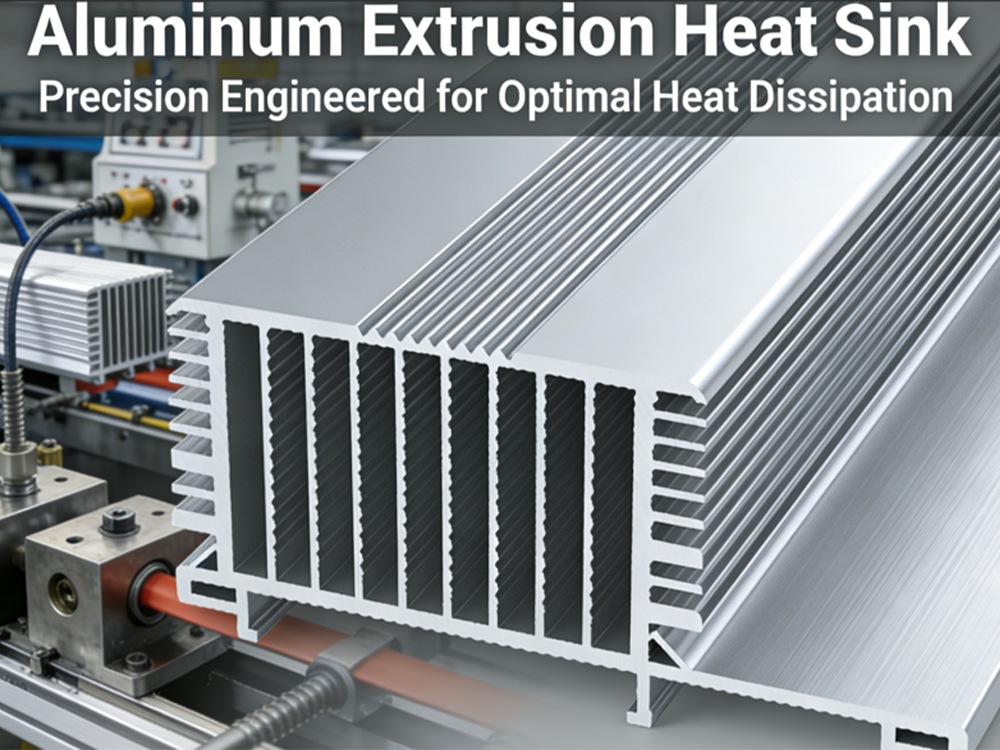
Industrial Aluminum Heat Sink Profile for Automotive Electronic Cooling
Precision Extruded Structural Mounts for Automotive Sub-Assemblies
Custom Industrial Aluminum Profile for Automotive Mechanical Machining
Multi-Slot Industrial Aluminum Profile for Vehicle Enclosures & Jigs
Industrial Extrusion Profile for High-Power EV Power Distribution Radiator
Lightweight Structural Extrusion Profile for Mobile EV Battery Housings
Specializing in precision manufacturing of structural aluminum alloy profiles for modern automotive kinematics, rapid transit, and high-spec industrial platforms.


Delivering end-to-end tooling, metallurgical alloying, high-speed automated extrusion, precision CNC machining, and rigorous quality inspection.
Equipped with proprietary CAD/CAM design and high-precision EDM wire-cutting to engineer complex, multi-cavity automotive sliding track extrusion dies in under 15 business days.
Certified to ISO 9001 and compliant with strict IATF 16949 PPAP level-3 procedures, including full eddy-current flaw detection, optical coordinate measuring (CMM), and metallographic grain checks.
Comprehensive post-extrusion value-add services: 3D CNC stretch-bending, robotic tapping, laser profiling, and multi-color automotive anodic or powder coating ready for immediate line-side vehicle assembly.
Demonstrating our commitment to environmental responsibility, occupational safety, and precision automotive metallurgy across global export markets.
Key technical, metallurgical, and supply-chain inquiries addressed for automotive systems engineers and procurement managers.
For high-load lower guide rails carrying roller assemblies, EN AW-6082-T6 or 6005A-T6 is standard due to high yield strength (≥ 250 MPa) and superior surface hardness. For upper guide channels and aesthetic cover tracks, EN AW-6063-T6 provides exceptional extrudability and an anodized surface free of die lines.
We utilize automated 3D CNC servo-controlled stretch bending paired with internal flexible mandrels. This prevents localized track pinching and cross-section collapse, ensuring that roller channel inner dimensions remain strictly within ±0.12 mm throughout the entire 3D curved profile.
Yes. By adopting multi-cavity cross-sectional geometries with variable wall thicknesses (3.0 mm – 5.0 mm at structural impact points) and crash-ductile 6000/7000-series alloys with elongation exceeding 12%, our profiles absorb dynamic kinetic energy without brittle fracturing.
We provide hard coat anodizing (layer thickness ≥ 25 μm) with PTFE sealing, as well as automotive-grade cathodic electrodeposition (E-coating). These coatings withstand over 1,000 hours of continuous ASTM B117 salt spray exposure while lowering kinetic friction coefficients.
Comprehensive scheduling updates for international Tier-1 automotive and industrial clients to streamline die fabrication and bulk shipment timelines.
Technical review detailing how advanced alloy chemistry, isothermal extrusion parameters, and precise heat-treating elevate mechanical consistency.
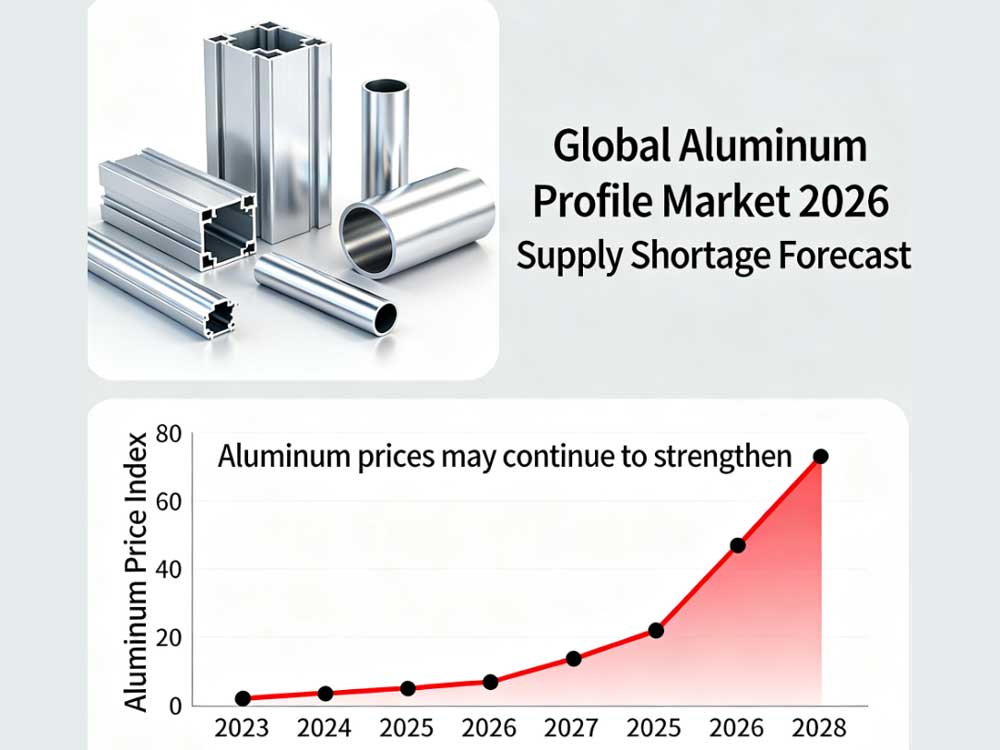
In-depth industry report examining the surging adoption of green primary aluminum and lightweight extruded profiles in commercial EV manufacturing.
Our complete assortment of precision-engineered aluminum extrusions, encompassing sliding door track rails, cooling fins, structural T-slot elements, and specialized automotive trim profiles.