The Evolution of Aluminum Window Profiles in Commercial Architecture
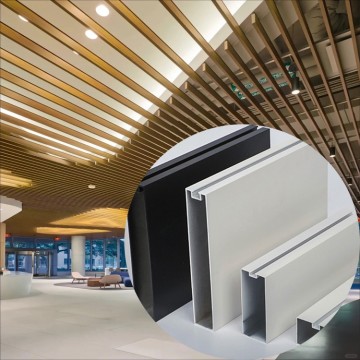
In modern urban development, commercial architecture is no longer just about building functional structures; it is about creating iconic landmarks that merge sustainability, energy efficiency, and futuristic design. At the core of this architectural revolution are aluminum profiles for windows for commercial architecture. Aluminum has transitioned from a basic framing material to the primary structural component of modern building envelopes, offering an unparalleled strength-to-weight ratio, design flexibility, and circular lifecycle benefits.
Commercial facades face immense stress compared to residential properties. High-rise office towers, modern institutional buildings, and expansive retail complexes are subjected to extreme wind loads, severe weather changes, and constant dynamic pressure. Standard window frames are insufficient under these conditions. Engineered aluminum extrusions act as the backbone of high-performance window and curtain wall systems, ensuring that buildings remain structurally sound while maximizing natural daylighting through expansive glazed areas.
Smart Extrusion & Structural Analysis
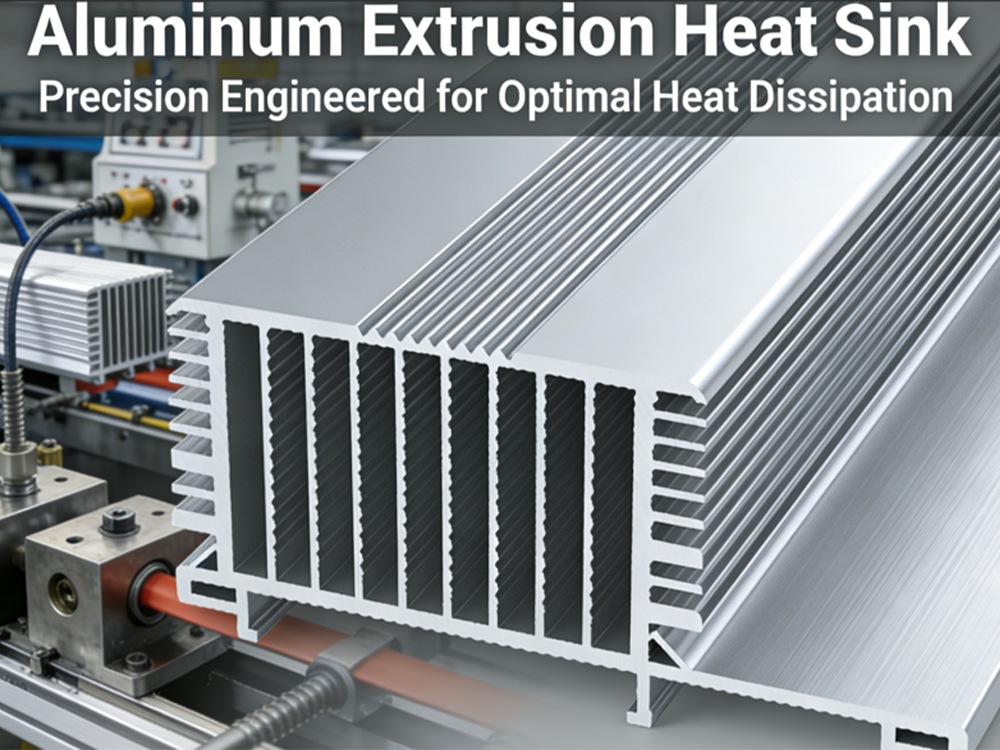
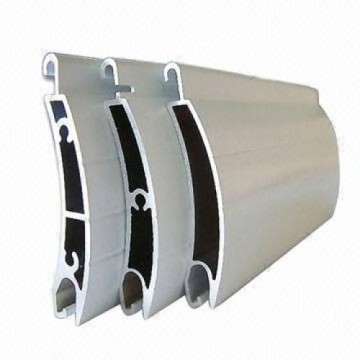
Through finite element analysis (FEA) and AI-driven design optimization, modern aluminum window profiles are engineered to minimize material usage while maximizing moment of inertia and wind load resistance, meeting stringent international building codes.
Current Industrial Status & Global Commercial Trends
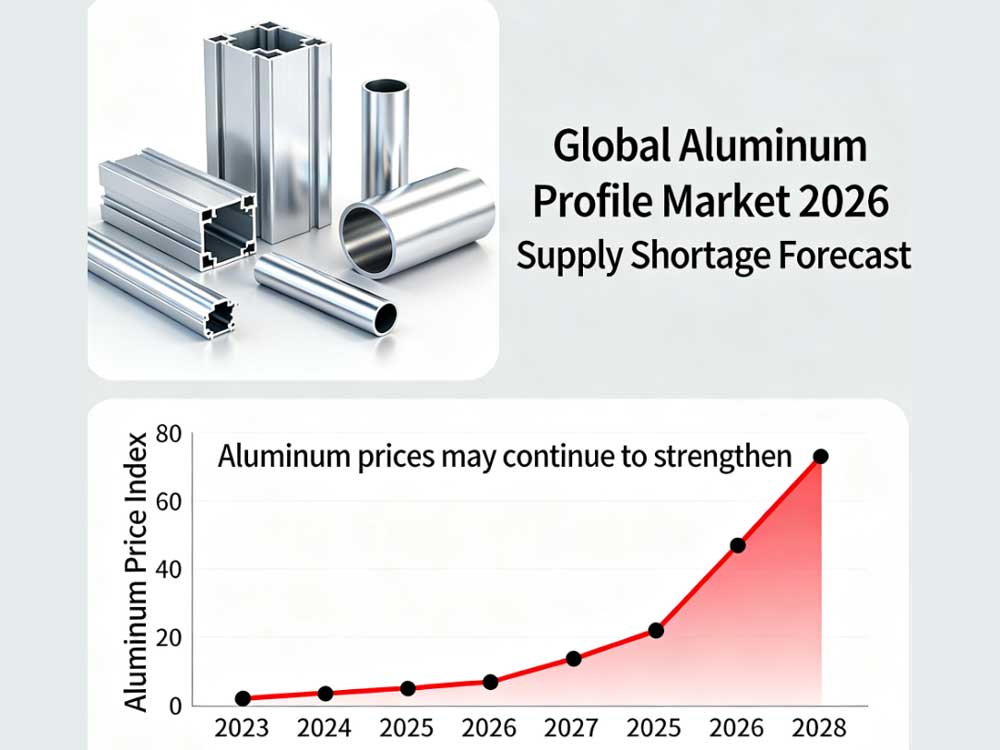
The global demand for high-quality aluminum profiles has experienced exponential growth. As urban density increases, vertical architecture dominates the skyline. This shift has driven manufacturers to innovate beyond traditional boundaries. Modern production facilities are transitioning to highly automated, intelligent extrusion lines capable of handling complex geometries with tight tolerances. The integration of CAD/CAM software and automated cooling systems ensures that every millimeter of the extrusion meets exact structural calculations.
Furthermore, green building certifications such as LEED (Leadership in Energy and Environmental Design) and BREEAM have redefined the specifications for commercial windows. Modern commercial projects require window frames that contribute to a building's overall energy conservation strategy. Consequently, thermal break technology has become a standard industry requirement rather than a premium upgrade. The integration of high-performance polyamide thermal barriers within aluminum profiles effectively isolates the interior environment from exterior temperature extremes, reducing HVAC energy consumption by up to 40%.
Technological Advancements in Profile Engineering
1. High-Performance Thermal Barriers
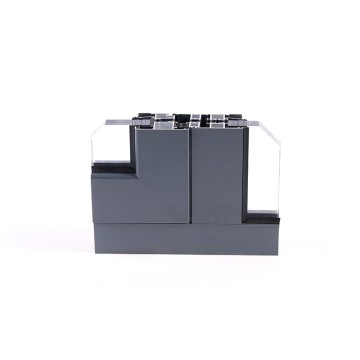
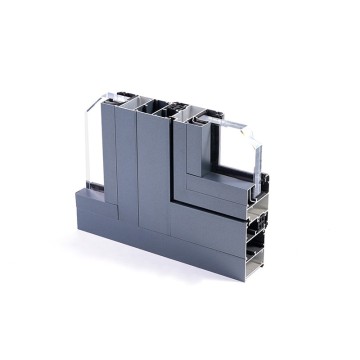
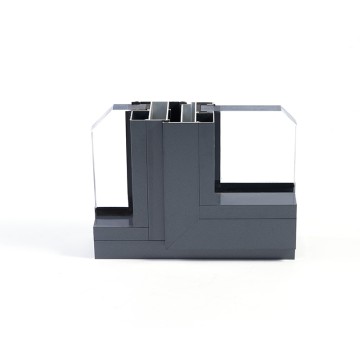
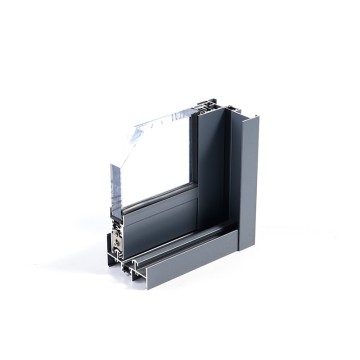
Traditional aluminum profiles were notorious for thermal bridging due to the high thermal conductivity of the metal. Today, advanced multi-cavity designs utilizing polyamide structural insulating strips (commonly reinforced with fiberglass) break the thermal path. This technology prevents heat transfer, minimizes condensation risks, and helps achieve exceptionally low U-factors suitable for both freezing climates and tropical regions.
2. Smart Window Integration & IoT Compatibility
The rise of smart buildings has directly influenced the design of aluminum profiles. Modern extrusions are pre-engineered with internal cavities designed to accommodate wiring, sensors, and motorized actuators. This allows for the integration of automated ventilation systems, smart security sensors, and electrochromic (smart) glass controls directly within the window profile, keeping the hardware completely hidden from view to maintain clean architectural lines.
3. Advanced Surface Coatings and Durability
Commercial properties require finishes that endure decades of exposure to UV radiation, acid rain, and coastal salinity. To combat these harsh conditions, aluminum window profiles undergo advanced surface treatments:
- Fluorocarbon (PVDF) Coatings: Offering superior color retention and resistance to chemical degradation, perfect for high-rise buildings where maintenance access is difficult.
- Anodizing: An electrochemical process that thickens the natural oxide layer, enhancing wear resistance and providing a sleek, metallic finish that won't chip or peel.
- Powder Coating: Eco-friendly options with zero VOC emissions, providing an infinite spectrum of colors and textured finishes to align with modern corporate brand identities.
Deep-Dive Application Scenarios in Modern Architecture
Scenario A: High-Rise Office Towers and Skyscrapers
For buildings exceeding 100 meters, wind load is the primary structural challenge. Aluminum profiles used in these scenarios must possess high tensile strength and rigidity. Custom-engineered profiles with heavy wall thicknesses are combined with structural glazing tape and silicone to form unitized curtain wall systems. These systems are pre-assembled in factory conditions and lifted into place, speeding up construction timelines while ensuring superior quality control and weatherproofing.
Scenario B: Retail Storefronts and Double-Height Lobbies
Retail design demands maximum transparency to attract customers and showcase products. This requires window profiles with ultra-slim sightlines that do not compromise structural stability. High-moment-of-inertia mullions allow architects to design double-height glass facades with minimal vertical support, creating a seamless, floating aesthetic while maintaining structural safety.
Scenario C: Educational and Healthcare Institutions
In schools and hospitals, the priorities shift toward safety, acoustic isolation, and ease of maintenance. Aluminum window profiles for these environments are designed to accommodate heavy double or triple-pane acoustic glazing to block out urban traffic noise. Additionally, integrated child-safety restrictors, easy-to-operate tilt-turn hardware, and antimicrobial powder coatings are seamlessly incorporated into the profile design.
Sustainability & Circular Economy
Aluminum is infinitely recyclable. Recycling aluminum requires only 5% of the energy needed to produce primary aluminum from bauxite, making it one of the most sustainable materials available for green commercial construction.
Choosing the Right Partner for Commercial Extrusions
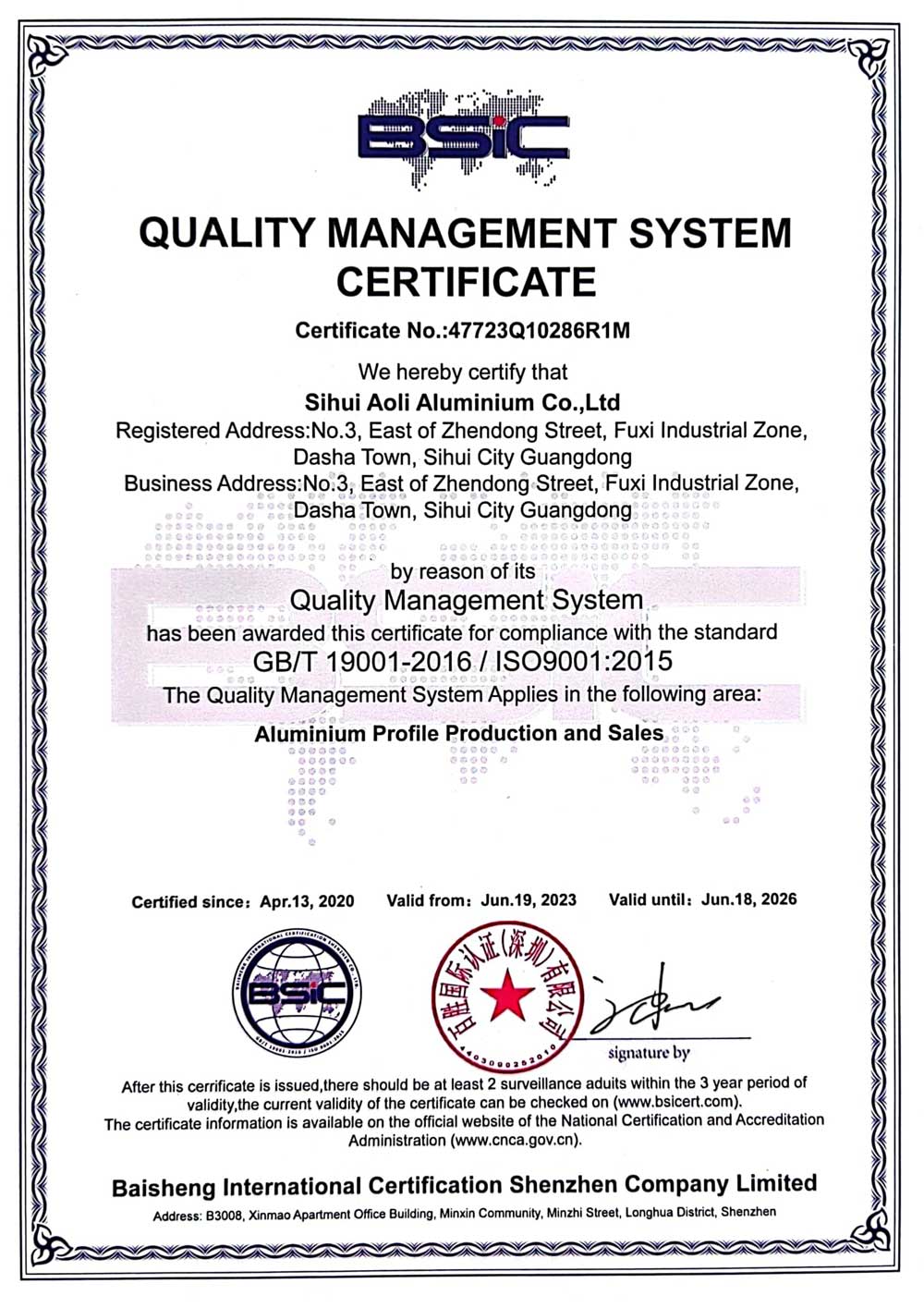
Selecting the right manufacturer is critical to the success of any commercial project. High-volume production capacity, strict quality control protocols, and the ability to customize profiles to exact architectural specifications are non-negotiable. Leading manufacturers offer comprehensive technical support, from initial design consultation and structural calculations to prototype testing and on-site installation guidance, ensuring that the aluminum window profiles perform flawlessly throughout the building's lifecycle.