Explore our top-tier custom profiles designed specifically to construct robust, weather-resistant, and high-performance outdoor structural frameworks.
Outdoor living spaces have transitioned from simple backyards to complex, multi-functional extensions of modern residential and commercial architecture. Among the most popular structures defining this transition is the pergola. Originally constructed from wood or stone, the modern pergola has undergone a material revolution. Today, the aluminum profile for pergola systems stands at the forefront of this evolution, offering unprecedented structural integrity, design versatility, and longevity.
As urban density increases and the boundary between indoor and outdoor spaces blurs, the demand for durable, low-maintenance outdoor structures has surged. Aluminum extrusion technology has emerged as the premier choice, allowing architects, developers, and homeowners to build sophisticated, weatherproof, and aesthetically striking outdoor living solutions. By leveraging advanced metallurgy and manufacturing processes, modern aluminum profiles deliver performance metrics that traditional wood or vinyl structures simply cannot match.
When designing outdoor structures, material selection is critical. The structural components must withstand diverse weather conditions—from scorching solar radiation and high winds to heavy snow loads and torrential rain. Aluminum profiles offer a unique combination of physical and chemical properties that make them superior to traditional materials like wood, steel, or vinyl.
Extruded aluminum profiles can support heavy loads—such as motorized louver systems, integrated lighting, and glass panels—without requiring bulky support columns. This allows for minimalist, clean-lined designs that align with modern architectural trends. The lightweight nature of aluminum also reduces shipping costs and simplifies installation, making it highly preferred by contractors and DIY enthusiasts alike.
Unlike steel, which rusts when exposed to moisture, aluminum naturally forms a protective oxide layer when exposed to air. When treated with advanced surface finishes like architectural-grade powder coating or anodizing, aluminum profiles become virtually immune to rust, rot, insect damage, and UV degradation. This ensures that a pergola maintains its structural integrity and aesthetic appeal for decades with minimal maintenance.
Modern pergola profiles are engineered using Finite Element Analysis (FEA) to ensure they can withstand wind loads exceeding 120 km/h. Wall thicknesses typically range from 2.0mm to 4.0mm for structural columns and 1.5mm to 2.5mm for rotating louvers, providing an optimal balance of safety and material efficiency.
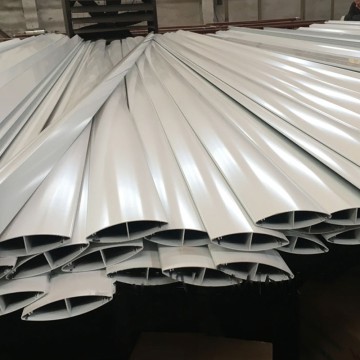
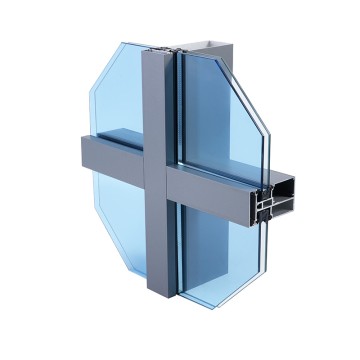
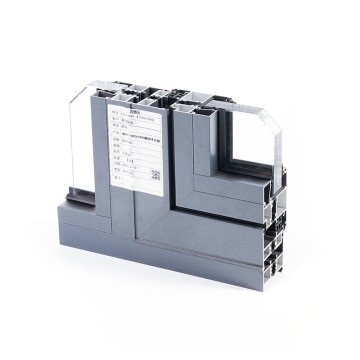
The extrusion process allows manufacturers to create custom cross-sections with internal reinforcing webs, integrated screw ports, and channels for concealed wiring, LED strips, and drainage systems. This level of detail is impossible to achieve with wood or steel without extensive manual labor and high costs. Whether the project requires a curved beam, a hidden gutter system, or a specific interlocking louver design, aluminum extrusions make it possible.
The global market for outdoor living structures is experiencing rapid expansion. According to industry reports, the demand for residential and commercial outdoor spaces has grown consistently over the past decade, accelerated by the global shift toward open-air dining, hospitality, and recreation. As a result, the commercial ecosystem surrounding aluminum extrusion has adapted to meet these specific structural requirements.
In the residential sector, homeowners view the backyard as a premium living zone. High-end pergolas with adjustable louvers, integrated heating, and automated screens have become key selling points for luxury real estate. Consequently, aluminum extruders have seen a massive uptick in orders for structural profiles designed specifically for outdoor systems.
In the commercial and industrial sectors, the hospitality industry has heavily invested in aluminum pergolas to maximize seating capacity and revenue. Restaurants, hotels, and cafes use bioclimatic pergolas to create all-weather dining spaces. These structures allow businesses to operate outdoors year-round, regardless of rain or heat, directly impacting their bottom line. In urban planning, public parks and corporate campuses are also adopting aluminum shelters to provide shaded, functional collaborative environments for employees and visitors.
The production of high-quality pergola profiles relies on advanced metallurgical and extrusion technologies. The choice of alloy is the foundation of structural performance. Typically, the 6000-series aluminum alloys—specifically 6063 and 6061—are preferred.
Advanced extrusion facilities utilize automated press lines, computer-controlled cooling tables, and precision aging ovens to ensure uniform mechanical properties across every batch. Surface treatment technology has also advanced significantly. Modern pergolas utilize Qualicoat-certified powder coatings and high-durability anodizing. These finishes protect against salt spray in coastal environments and resist fading under intense UV exposure. Furthermore, wood-grain sublimation technology allows manufacturers to produce aluminum profiles that mimic the warm texture of natural wood, combining the aesthetic appeal of timber with the maintenance-free benefits of aluminum.
We specialize in manufacturing of aluminum alloy profiles for construction, decoration, and industry.
To fully appreciate the versatility of aluminum pergola profiles, we must examine their diverse application scenarios in modern architecture. These systems are no longer passive shade providers; they have evolved into active, smart architectural components.
Bioclimatic pergolas are the pinnacle of outdoor comfort. Utilizing specially designed hollow-core aluminum louver profiles, these systems can rotate up to 150 degrees to control sunlight, ventilation, and shade. The profiles feature internal rubber seals and integrated gutters, ensuring that when the louvers are closed, the roof is completely watertight. Integrated rain and wind sensors automatically close the louvers during sudden downpours or open them during high winds to protect the structure.
For restaurants and hotels, aluminum pergolas serve as flexible architectural extensions. These systems often span large areas, requiring heavy-duty structural columns and beams. Aluminum profiles designed for these applications feature internal steel reinforcement chambers and multi-channel tracks to accommodate sliding glass doors, motorized zip-screens, and integrated infrared heaters. This allows businesses to convert an open terrace into a cozy indoor room within seconds.
Building-Integrated Photovoltaics (BIPV) represent the next frontier. Specialized aluminum support profiles are engineered to hold solar glass panels as the roof structure. These profiles hide all electrical wiring, channeling clean energy back into the property's grid while providing shade below.
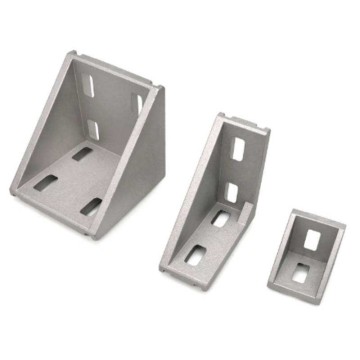
To cater to the growing retail market, manufacturers design lightweight, interlocking aluminum profiles that allow for quick assembly. These profiles utilize snap-fit designs, internal corner connectors, and pre-drilled holes. Homeowners can assemble a durable outdoor structure with basic tools, reducing installation costs and making premium outdoor architecture accessible to a broader audience.
Looking ahead, the market for aluminum pergola profiles will be defined by smart technology, modularity, and circular economy principles.
First, Internet of Things (IoT) integration is transforming pergolas into smart home hubs. Future aluminum profiles will feature dedicated channels for smart sensors, built-in speakers, and voice-activated lighting systems, allowing the outdoor structure to sync with the home's automation ecosystem. Second, the trend toward pre-engineered, modular construction will grow. Standardized aluminum components will allow for infinite configurations, allowing architects to mix and match columns, beams, and screens to create bespoke designs without the cost of custom extrusion dies. Finally, the focus on low-carbon aluminum will intensify. Manufacturers are increasingly utilizing post-consumer recycled aluminum and powering extrusion presses with renewable energy sources, aligning the production of outdoor structures with global sustainability goals.
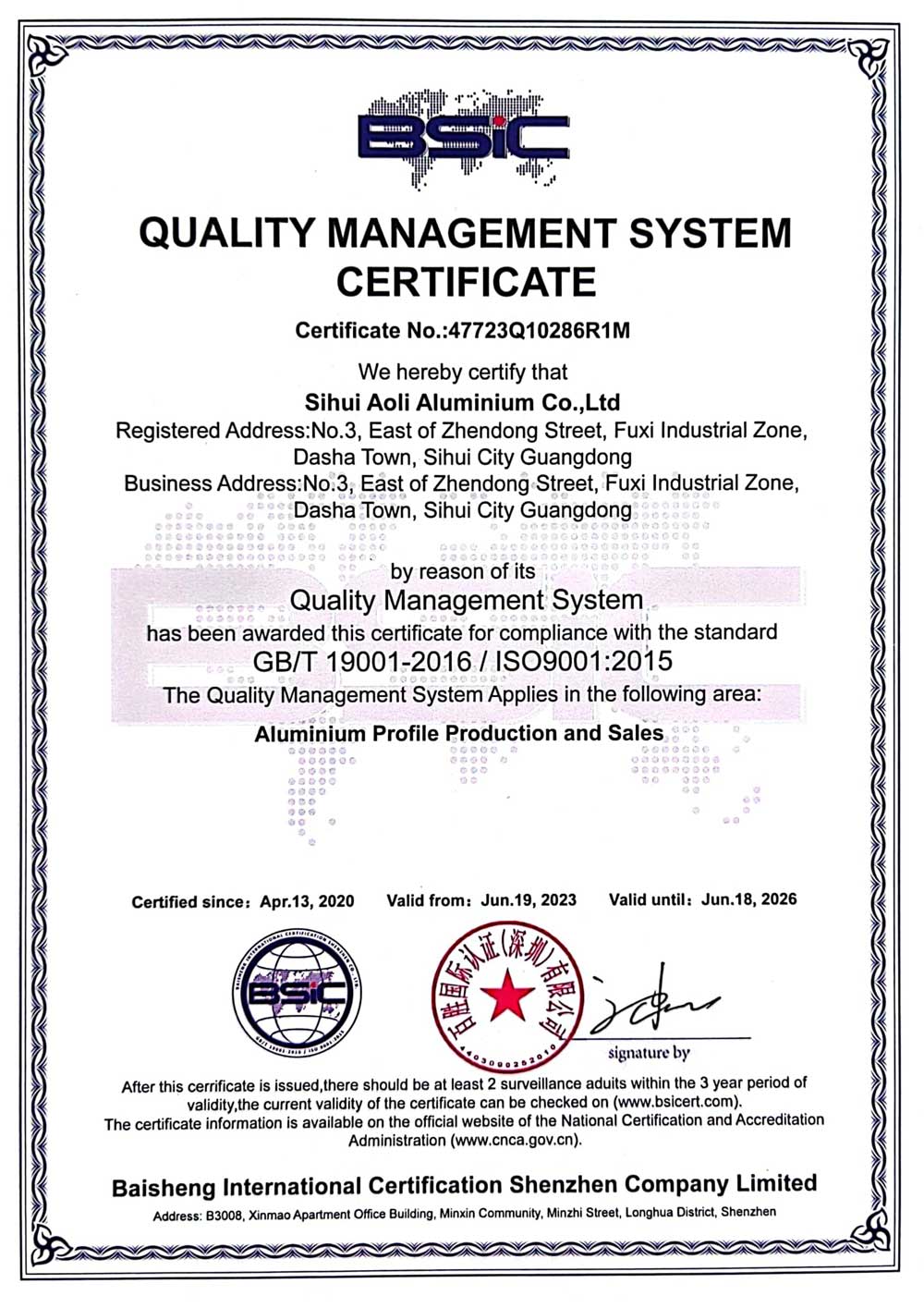
Our manufacturing standards comply with international certifications, ensuring reliable quality for global markets.
Stay updated with the latest trends, market analysis, and corporate updates from our factory.
Aoli aluminum extends warm wishes and encourages early order planning to secure production schedules for the upcoming busy season.
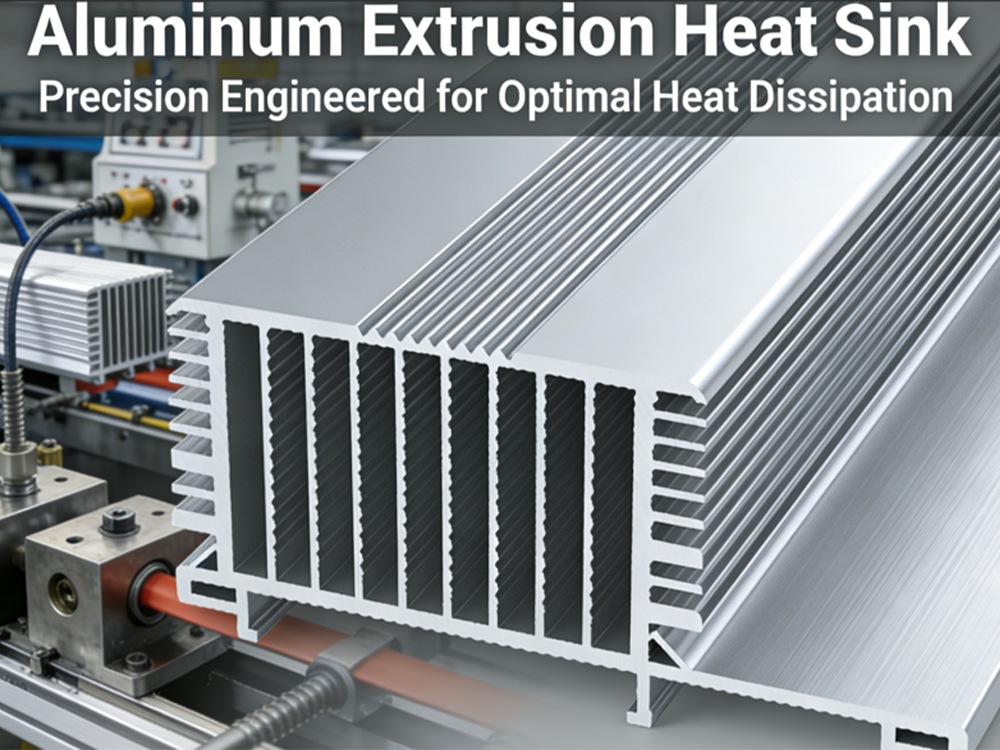
An in-depth review of advanced extrusion processes, thermal performance optimization, and mechanical design considerations.
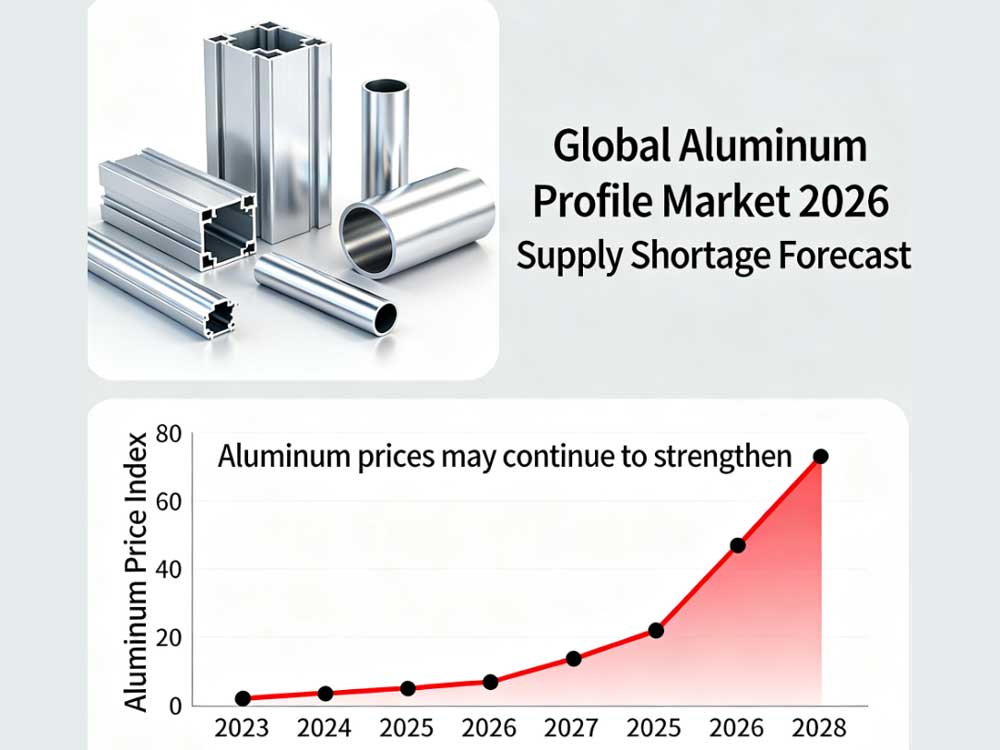
A comprehensive market analysis outlining key supply-demand patterns, raw material pricing, and regional growth forecasts for 2026.
Discover our comprehensive range of high-precision aluminum extrusions designed to construct custom pergolas, louvers, and cladding systems.