The Role of Aluminum Profile for Industrial Frameworks in Modern Industry
Analyzing the evolution of lightweight structural materials in Industry 4.0 automation, renewable energy infrastructure, and smart manufacturing.
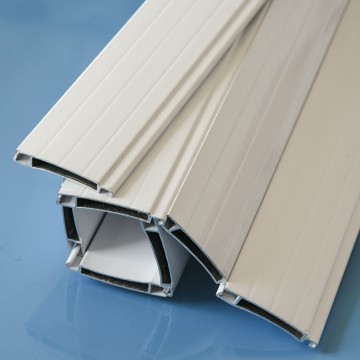
Industrial frameworks serve as the foundational backbone for mechanical automation, material handling, cleanroom engineering, and specialized assembly stations. Historically, heavy welded structural steel dominated these applications. However, modern lean manufacturing and smart factory systems demand high flexibility, rapid deployment, corrosion resistance, and precision ergonomics. Consequently, engineered aluminum profiles for industrial frameworks have become the global standard for mechanical engineering and architectural setups alike.
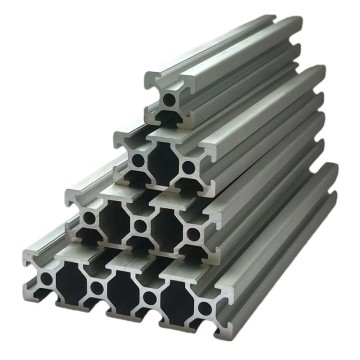
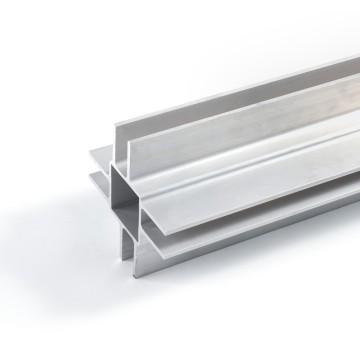
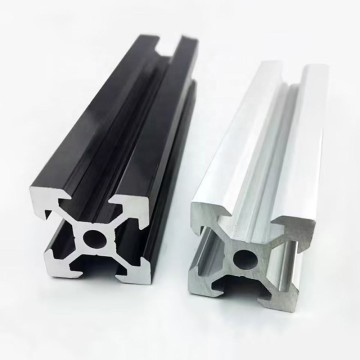
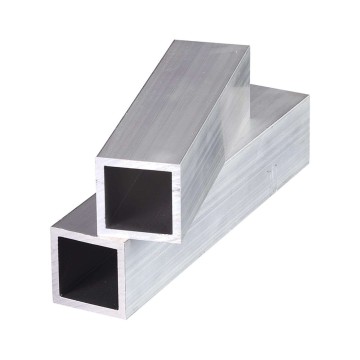
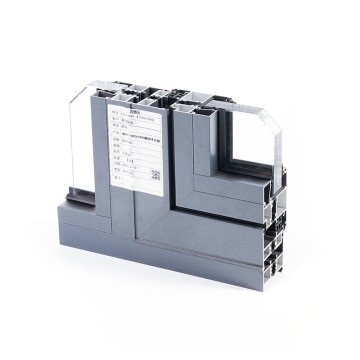
Utilizing high-grade aluminum alloys—predominantly 6063-T5, 6061-T6, and 6005A—extruded aluminum profiles combine structural rigidity with superior strength-to-weight ratios. The integration of precision T-slot and V-slot geometry eliminates the need for hot welding, grinding, and post-treatment painting. Assembly engineers can rapidly fabricate, reconfigure, expand, or repurpose machine bases, safety guarding, and automated linear conveyor lines using standardized metric fastening brackets and hardware.
Precision Extrusion Tolerances
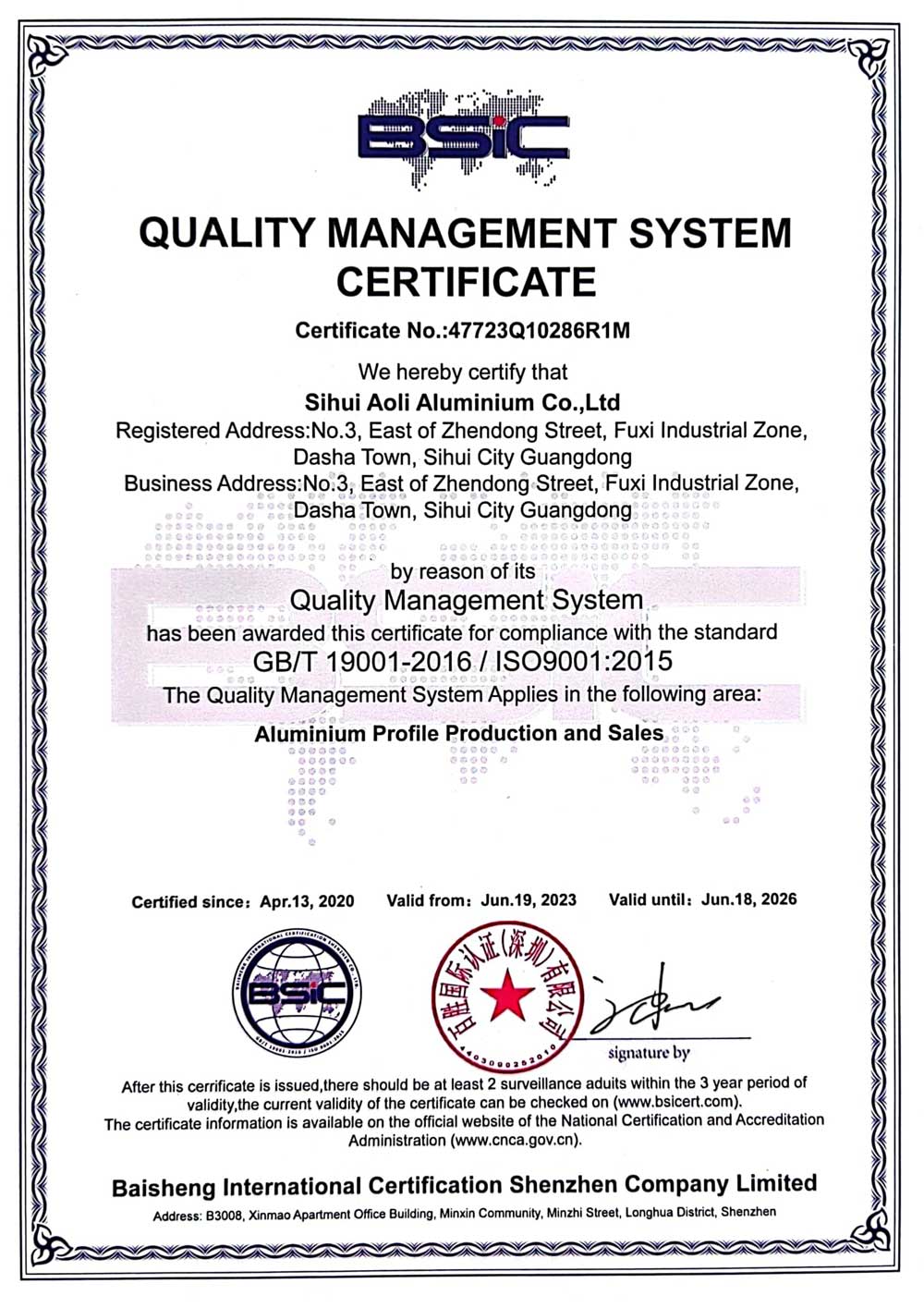
Manufactured under strict ISO 9001 and EN 12020-2 international standards, ensuring minimal dimensional deviation, excellent straightness, and flawless slot-groove compatibility for automated guides.
Weld-Free Modular Assembly
T-slot channels enable infinite configurability. Components, pneumatic cylinders, safety sensors, and linear actuators can be anchored securely without secondary machining or structural damage.
Anodized Surface Protection
High-micron natural silver, black anodizing, or durable powder coating prevents oxidation, chemical corrosion, and mechanical scratching across aggressive industrial factory environments.
Technological Evolution & Future Industry Trends
The manufacturing ecosystem is witnessing an accelerated paradigm shift toward Industry 4.0, smart logistics, and electrified mobility. These transformative trends present new challenges and demands for industrial framing profiles:
1. Lightweighting in High-Speed Automation and Cobotics: High-dynamic Cartesian gantries, collaborative robot (Cobot) workstations, and pick-and-place mechanisms require high structural rigidity with minimal mass. Aluminum profiles reduce structural inertia, enabling servo motors to achieve higher acceleration and precision cycle times while decreasing energy consumption.
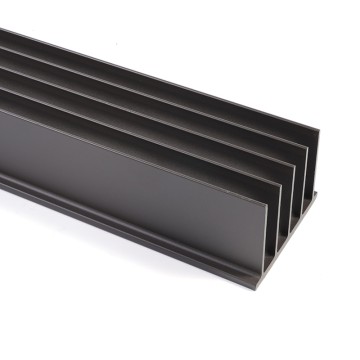
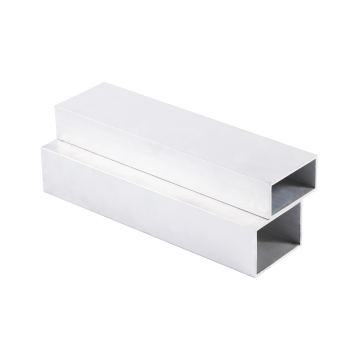
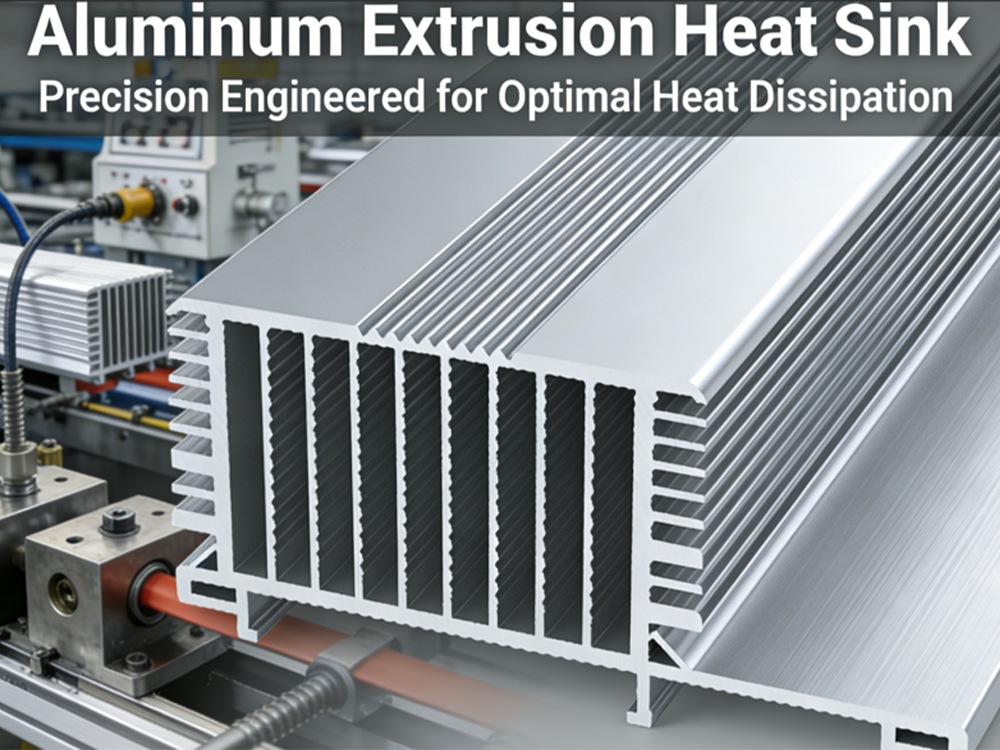
2. Thermal Management and Multi-Cavity Integration: Modern industrial framing is no longer purely structural. As electronics and electric vehicle (EV) battery architectures integrate within machinery bases, multi-cavity hollow aluminum sections double as internal cable conduits, pneumatic pressure reservoirs, and integrated cooling channels for power electronics.
3. Sustainability and Closed-Loop Circularity: With global decarbonization goals, the aluminum extrusion industry is adopting low-carbon recycled aluminum billets, powered by renewable hydroelectric energy. Aluminum can be recycled infinitely with only 5% of the initial smelting energy, substantially reducing the carbon footprint of factory equipment and green building projects.
Comprehensive Application Scenarios
Precision-engineered aluminum profiles are implemented across diverse mission-critical sectors:
Automated Production Lines & Assembly Jigs: Flexible conveyor systems, lean assembly workbenches, inspection jigs, and material feeding racks benefit from modular T-slot hardware, allowing on-the-fly layout adaptations.
Industrial Machine Safety Enclosures: Modular perimeter fencing, optical laser protective enclosures, and polycarbonate cleanroom partitions utilize interlocking extruded slots to provide safety barriers adhering strictly to OSHA and CE safety compliance.
Cleanroom and Semiconductor Facilities: Due to their non-magnetic, particle-free, and corrosion-resistant properties, anodized aluminum frames are utilized in ISO Class cleanrooms, wafer fabrication equipment, and medical packaging machinery.
Solar PV & Energy Storage Structures: Outside of factory automation, heavy-load aluminum profiles provide lightweight mounting frames for commercial photovoltaic arrays, outdoor battery energy storage systems (BESS), and EV charging stations.

 Contact WhatsApp
 Contact Phone
 Contact Email
 Wechat+8618029386470
 Whatsapp