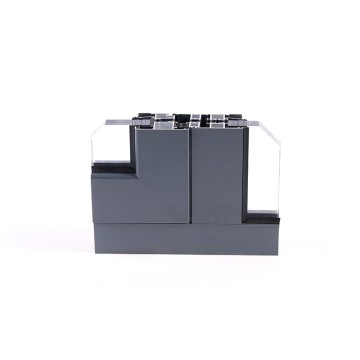
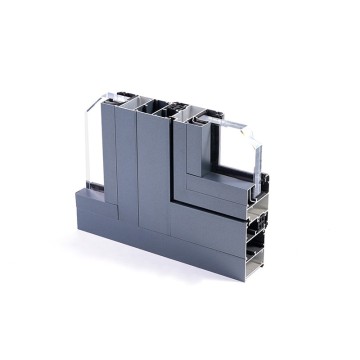
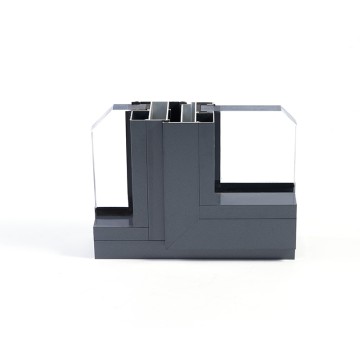
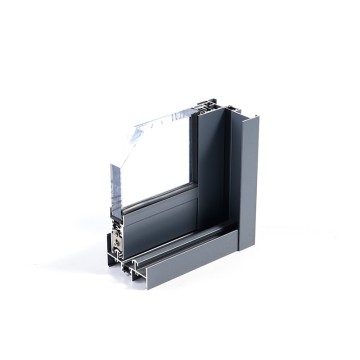
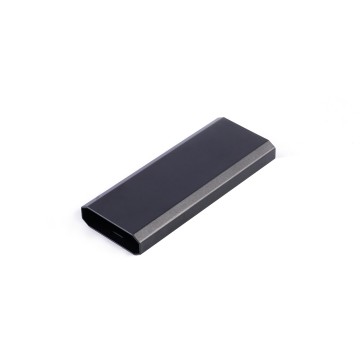
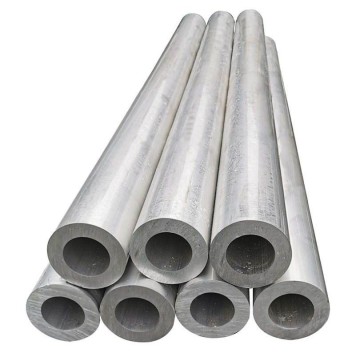
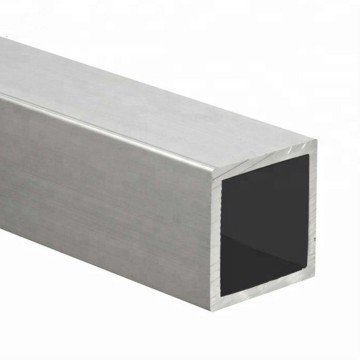
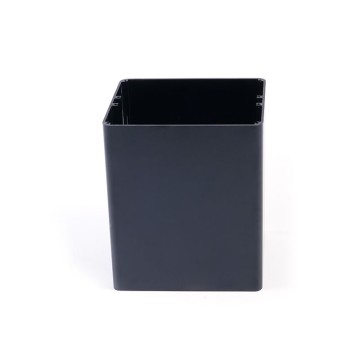
High-strength structural profiles designed to withstand severe mechanical loads, extreme wind forces, and harsh environmental weathering in modern clean energy installations.
How metallurgical advancements, strict weight-to-strength requirements, and clean energy mandates are driving the transition toward engineered aluminum profiles across worldwide solar infrastructures.
The worldwide pivot toward decarbonization has placed solar photovoltaic (PV) generation at the forefront of the global energy mix. As utility-scale solar farms, commercial rooftop arrays, and decentralized microgrids expand across North America, Europe, the Middle East, and Asia-Pacific, the mechanical racking infrastructure that supports these photovoltaic modules has become a paramount engineering focus. Traditional structural steel, while historically utilized for ground mounts, faces acute challenges including high transportation tare weights, heavy logistical friction, on-site fabrication bottlenecks, and progressive galvanic oxidation in corrosive atmospheres.
In response, extruded aluminum profiles manufactured from advanced 6000-series alloys (notably 6005A-T6, 6063-T6, and 6082-T6) have redefined solar hardware engineering. Extruded aluminum delivers an exceptional strength-to-weight ratio, allowing project developers and EPC contractors to slash structural dead loads by up to 60%. This substantial weight reduction accelerates installation velocities, lowers balance-of-system (BOS) shipping costs, and reduces labor intensity on elevated commercial rooftops and remote terrain.
By replacing painted or galvanized steel with precision-anodized aluminum profiles, solar plant operators effectively eliminate routine structural maintenance and recoating expenditures over the standard 25 to 30-year lifecycle of the photovoltaic module assets.
Modern aluminum extrusion utilizes primary smelting powered by hydropower alongside high-percentage recycled aluminum billets, drastically reducing embodied carbon in solar structural balance-of-systems to comply with stringent European CBAM and ESG mandates.
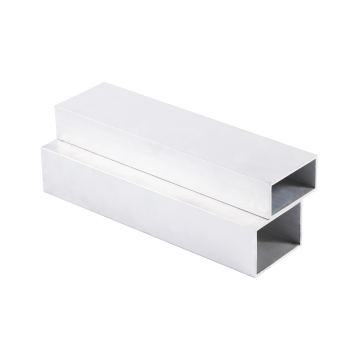
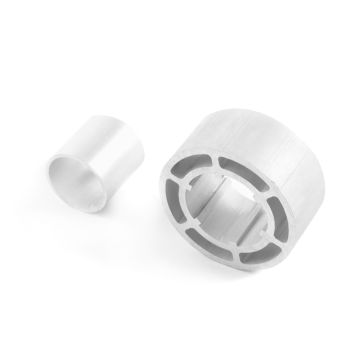
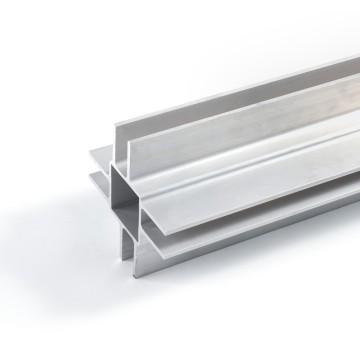
Custom-designed cross-sections, complex multi-cavity channels, and specialized slotting mechanisms tailored for diverse renewable energy applications.
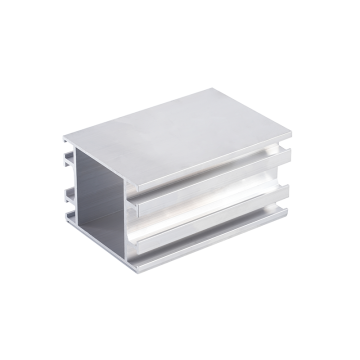
Solar module frames require micro-millimeter dimensional tolerances to secure tempered solar glass, encapsulant EVA, and backsheets. Extruded 6063-T5 aluminum profiles feature integrated corner-key channels, screw-boss geometry, and water-drainage weeping slots that protect high-wattage monocrystalline and bifacial solar cells against torsional deflection, heavy snow loading (up to 5400 Pa), and dynamic wind gust suction (up to 2400 Pa).
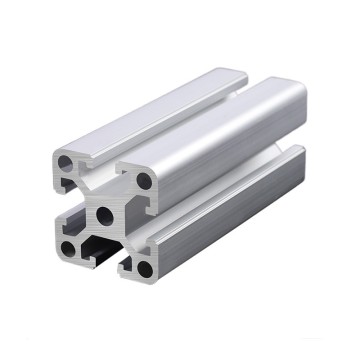
Utility-scale single-axis tracking solar installations leverage heavy-duty hollow extruded structural aluminum profiles for mounting rails and pivot purlins. The lightweight nature of 6005A-T6 extrusions reduces rotational inertia on tracker slew drives and smart electric actuators, enabling smoother tracking accuracy, lower motor power consumption, and zero rust formation across desert or saline test beds.
Commercial and industrial (C&I) metal roofs and flat concrete decks demand non-penetrating or minimally invasive racking systems. Multi-channel extruded aluminum rails with patented click-in spring clamps provide rapid, tool-less module clamping, integrated grounding pins, and customizable tilt legs (10° to 35°) while ensuring building roof load limits are never compromised.
Floating photovoltaic systems installed over reservoirs, hydroelectric dam tailraces, and coastal water treatment ponds operate in constant 100% relative humidity and mist. Marine-grade anodized aluminum profiles (with anodization thickness >= 20μm) offer unparalleled resistance to electrolytic salt spray, pitting corrosion, and biochemical algae attack, outlasting steel alternatives by decades.
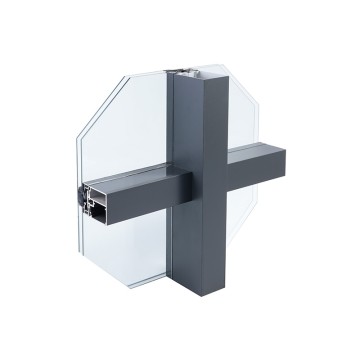
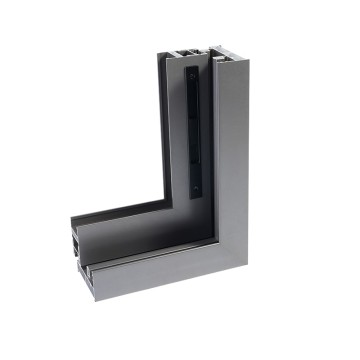
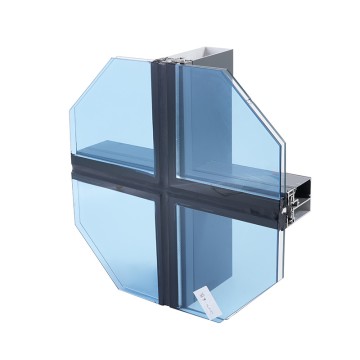
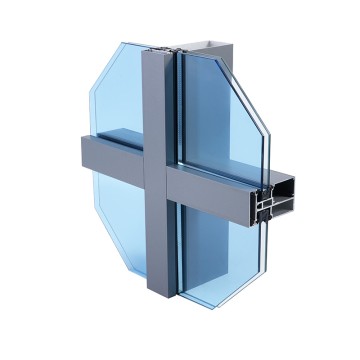
BIPV merges power generation with architectural envelope aesthetics. Custom thermally broken aluminum curtain wall extrusions accommodate double- and triple-glazed solar photovoltaic glass units. Profiles incorporate concealed cable routing ducts, hermetic EPDM sealing gaskets, and structural thermal barrier strips to achieve superior building insulation and energy yields.
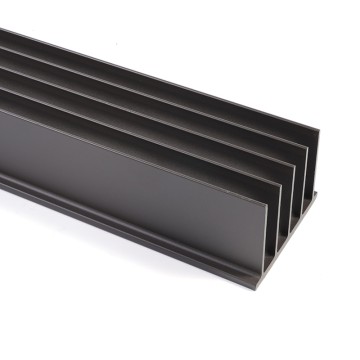
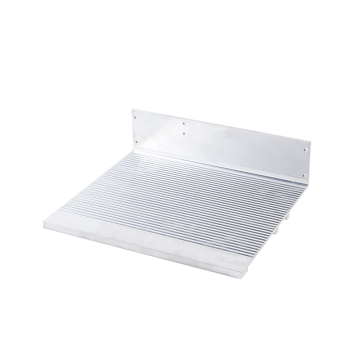
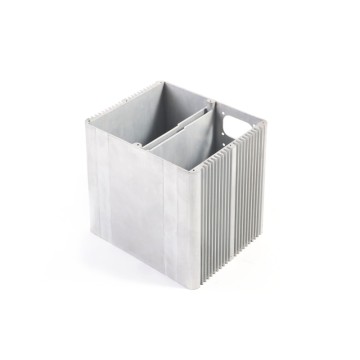
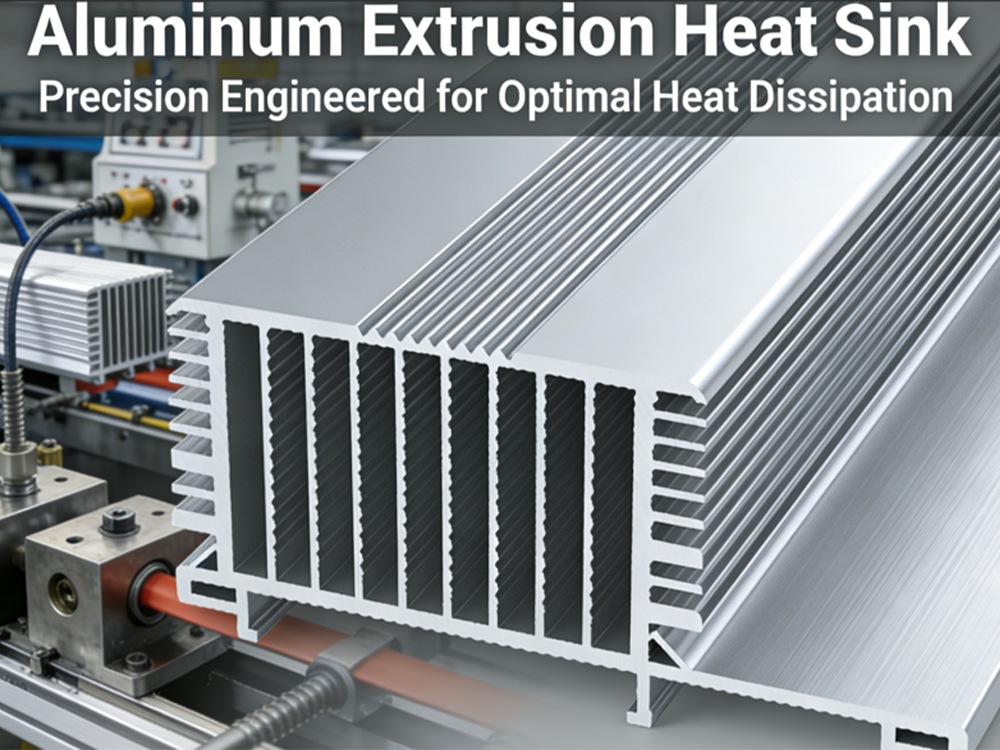
Centralized string inverters and Battery Energy Storage Systems (BESS) generate dense heat flux under peak solar irradiance. High-fin-ratio extruded aluminum heat radiators (with thermal conductivity reaching 200+ W/m·K in 6063 alloy) dissipate heat passively or actively, safeguarding sensitive power electronics and maintaining lithium battery pack safety.
A comprehensive metallurgical breakdown of primary structural aluminum alloys deployed across extreme solar exposure environments.
| Alloy & Temper Designation | Tensile Strength Rm (MPa) | Yield Strength Rp0.2 (MPa) | Elongation A50 (%) | Primary Solar Application Field | Standard Surface Treatment |
|---|---|---|---|---|---|
| 6063-T5 / T6 | ≥ 215 MPa | ≥ 170 MPa | ≥ 8 - 10% | PV Module Framing, Inverter Heat Sinks, BIPV Trim | Clear / Black Anodizing (12-15μm) |
| 6005A-T6 | ≥ 270 MPa | ≥ 225 MPa | ≥ 8% | Rooftop Support Rails, Ground Mount Purlins | Class 1 Architectural Anodizing (15-20μm) |
| 6082-T6 | ≥ 310 MPa | ≥ 260 MPa | ≥ 10% | Heavy-Duty Tracker Beams, High-Snow Ground Systems | Hard Anodized / PVDF Fluorocarbon Coating |
| 6061-T6 | ≥ 290 MPa | ≥ 240 MPa | ≥ 9% | Marine FPV Floating Frames, Foundation Clamps | Sealed Anodic Film (≥ 20μm) + Anti-Corrosion Wax |
Standard mill-finish aluminum will naturally passivate with a thin 2-3 nm oxide layer. However, under relentless ultraviolet (UV) radiation, industrial acid rain, and coastal marine aerosols containing corrosive chlorine ions, solar extrusions require specialized sulfuric acid anodizing (electrolytic oxidation). The process creates a dense, hexagonal aluminum oxide cell matrix measuring between 15μm to 25μm in thickness.
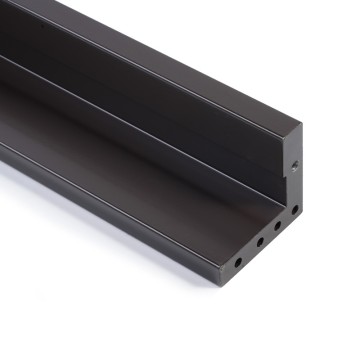
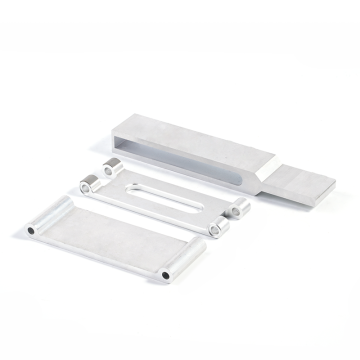
Extrusion is merely the foundational step; subsequent downstream processing governs the installation efficiency on solar job sites. Modern solar aluminum profiles integrate multi-axis CNC drilling, slotting, precision angle mitering, and tapping. Specialized T-slot channels and customized locking undercuts allow installers to slide fasteners directly into rails without pre-drilling on-site, slashing labor hours by over 40% and eliminating installation human error.
Furthermore, integrated earthing grooves engineered into the extrusion cross-section facilitate immediate bonding and electrical grounding across the entire PV array, meeting international UL 2703 and IEC 61730 electrical safety and grounding standards.
Delivering high-volume, defect-free structural aluminum profiles with end-to-end quality assurance from billet casting to worldwide logistics.
Explore our diverse portfolio of architectural solar envelopes, industrial frames, thermal dissipation profiles, and specialized aluminum shapes.
We specialize in custom aluminum alloy extrusion manufacturing for construction, decoration, clean energy, and heavy industrial applications worldwide.


Full-process technological excellence from automated die design to robotic packaging ensures seamless project execution.
Equipped with extrusion presses ranging from 800 to 10,000 metric tons, enabling the production of wide-flange solar purlins, extra-large hollow cross-sections, and complex multi-void structural geometries with uniform grain boundaries.
In-house optical emission spectrometers, universal tensile test rigs, Webster hardness testers, and eddy-current anodizing thickness gauges ensure every batch meets stringent ISO 9001 and international solar engineering standards.
Automated bundling, protective plastic interleaving, and reinforced export timber pallets prevent transit damage and moisture staining, ensuring pristine arrival at solar job sites across 60+ countries worldwide.
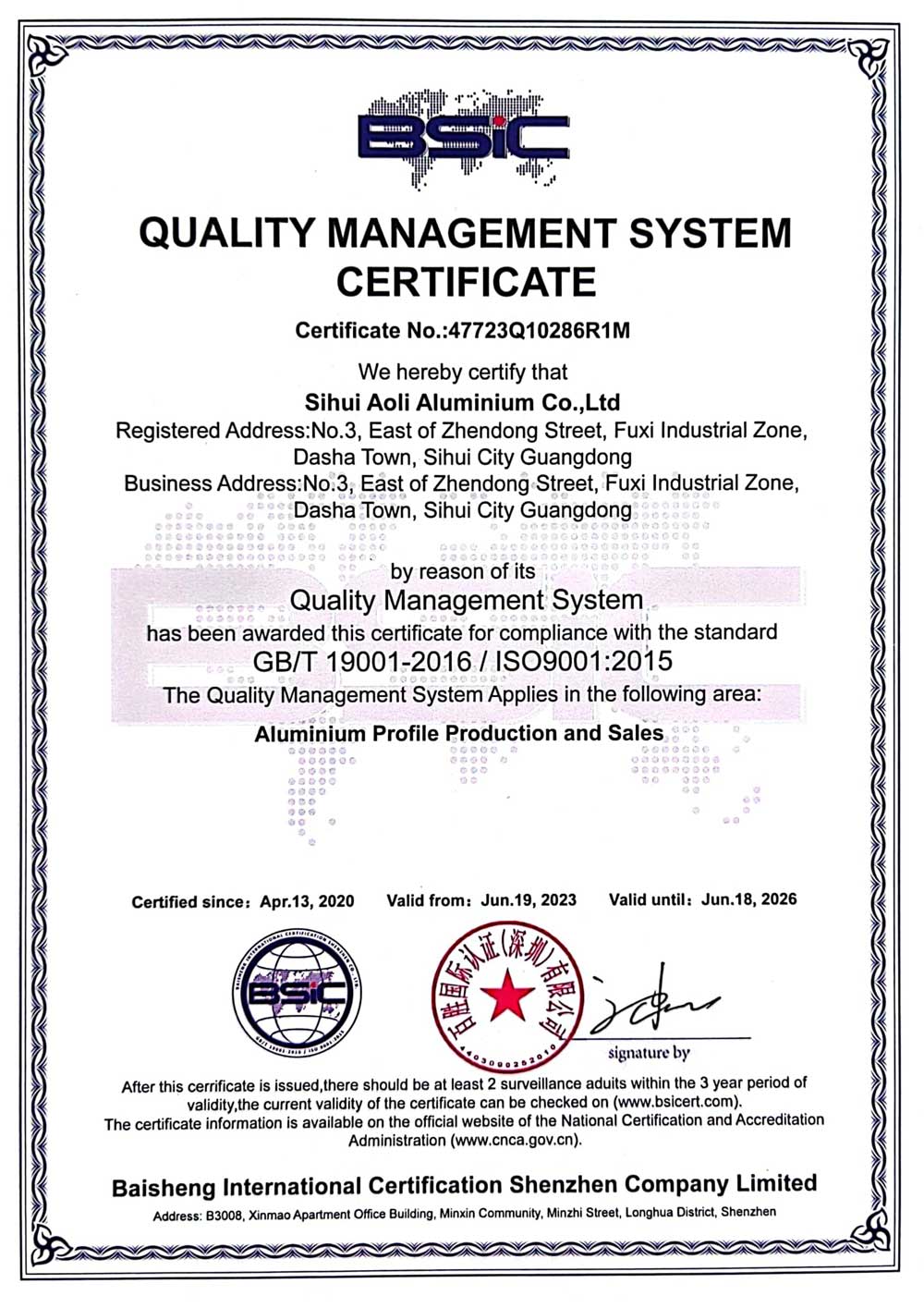
Fully certified compliance with international manufacturing benchmarks, ensuring bankability and long-term project reliability.


Stay informed with our latest engineering whitepapers, market reports, and technological breakthroughs in aluminum extrusion.
Key strategies for solar EPC contractors to streamline profile extrusion order lead times, lock in raw billet prices, and optimize delivery schedules.
An engineering deep dive into fin ratio optimization, convection coefficient calculations, and alloy choices for high-power solar inverters.
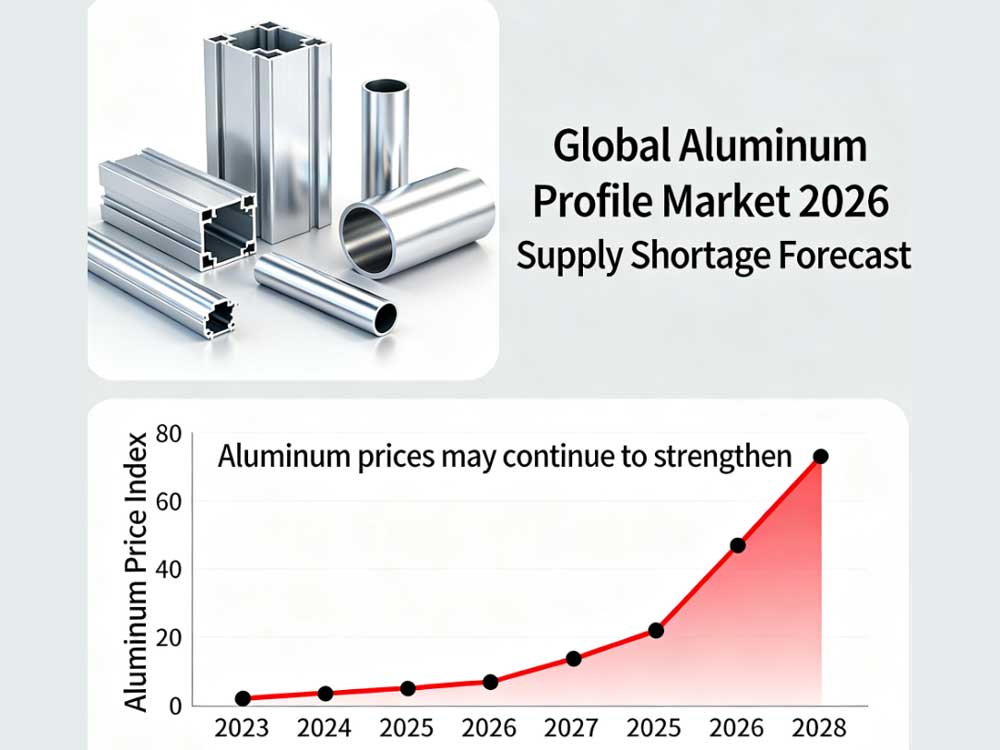
Analyzing global primary aluminum production, green energy demand curves, scrap recycling economics, and pricing dynamics shaping renewable investments.
High-precision aluminum extrusion profiles engineered for photovoltaic systems, thermal dissipation, battery storage, and advanced industrial infrastructure.