In the dynamic landscape of industrial design, aluminum profile extrusion has emerged as a cornerstone technology for contemporary furniture manufacturing.
For decades, timber, steel, and plastics dominated the furniture production sector. However, the shift toward sustainable, lightweight, modular, and highly durable materials has fundamentally transformed design philosophies. Today, aluminum profile extrusion offers designers and manufacturers unparalleled freedom to create sleek, high-strength structural elements that meet rigorous commercial and residential standards.
The global market demand for aluminum profiles in furniture manufacturing is experiencing a powerful upward trajectory. Driven by urbanization, the rise of smart office spaces, and the growing demand for outdoor living solutions, manufacturers are increasingly turning to aluminum. Unlike wood, which is susceptible to environmental degradation, warping, and moisture damage, or steel, which adds prohibitive weight and is prone to corrosion, aluminum presents a perfect balance of durability, aesthetic flexibility, and eco-friendliness.
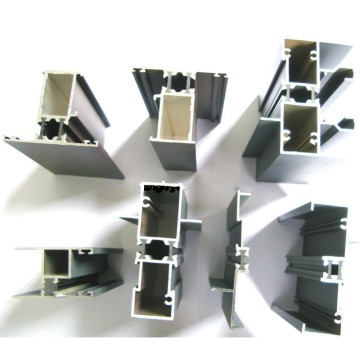
Engineered aluminum alloys, particularly the 6000 series, provide structural integrity comparable to steel at only a fraction of the weight, facilitating modular transport and flexible assembly.
From high-durability powder coatings and sleek anodized finishes to realistic wood-grain sublimation, surface treatments protect against wear while offering endless aesthetic options.
Aluminum is infinitely recyclable without losing its inherent mechanical properties, making it the premier choice for modern, green-certified and circular-economy furniture designs.
Aluminum extrusions are no longer limited to hidden internal frames. They have become central design elements in multiple furniture sectors.
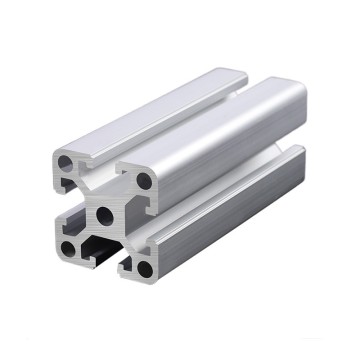
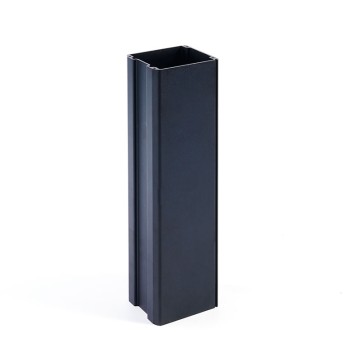
Modern workplace design prioritizes adaptability and wellness. Linear guide rails, telescoping columns, and T-slot aluminum extrusions (such as the 4040 series) form the structural backbone of height-adjustable sit-stand desks. The hollow chambers of extruded profiles allow designers to route electrical cables, power outlets, and control systems internally, ensuring clean, wire-free working environments.
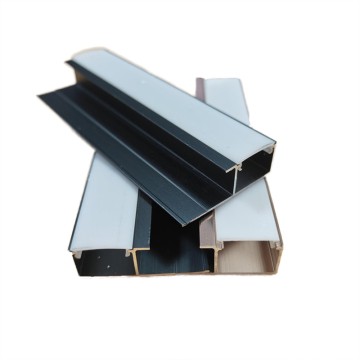
Minimalist wardrobe systems rely heavily on slim, lightweight aluminum profiles for sliding door tracks, structural shelving, and integrated lighting. Recessed LED strip profiles are extruded with precise tolerances to house diffuse lighting elements, creating ambient, premium illumination inside walk-in closets and retail display cases.
Traditional outdoor furniture made of wood or iron suffers from rot, rust, and UV degradation. Anodized and PVDF-coated aluminum profiles are immune to moisture, salt spray, and intense sunlight. This makes them ideal for manufacturing luxury outdoor loungers, dining tables, sunroom structures, and pergola frames that require zero maintenance over decades of exposure.
In high-humidity kitchen environments, aluminum profiles replace traditional wooden plinths, gola profiles, drawer runners, and handleless cabinet profiles. They provide clean, hygienic surfaces that do not harbor bacteria, resist grease buildup, and withstand continuous daily impact.
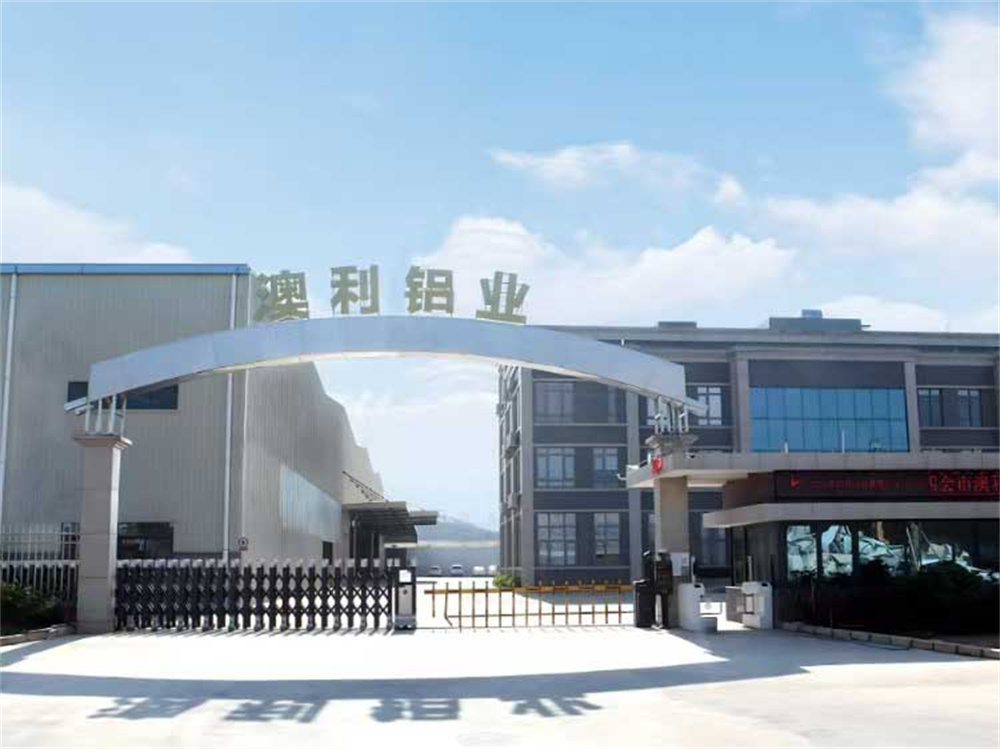
Established in 2009, Aoli Aluminum is a premier manufacturer integrating research and development, high-precision production, and global sales. We specialize in manufacturing top-tier aluminum alloy profiles tailored for construction, architectural decoration, and industrial applications, with a strong focus on custom solutions for furniture manufacturers worldwide.
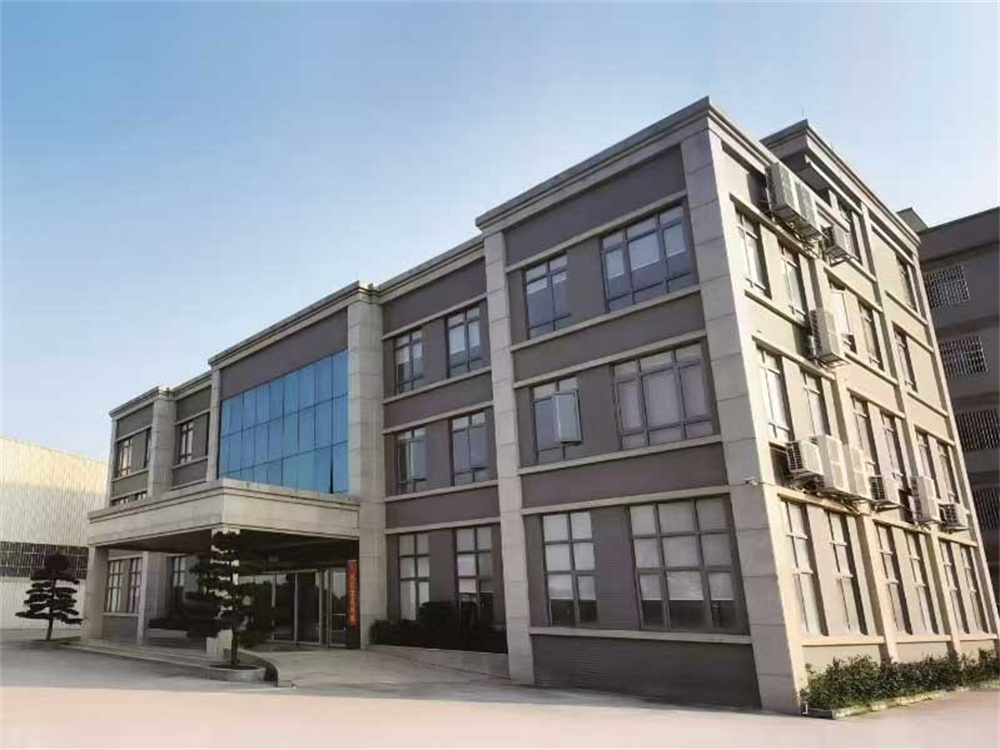
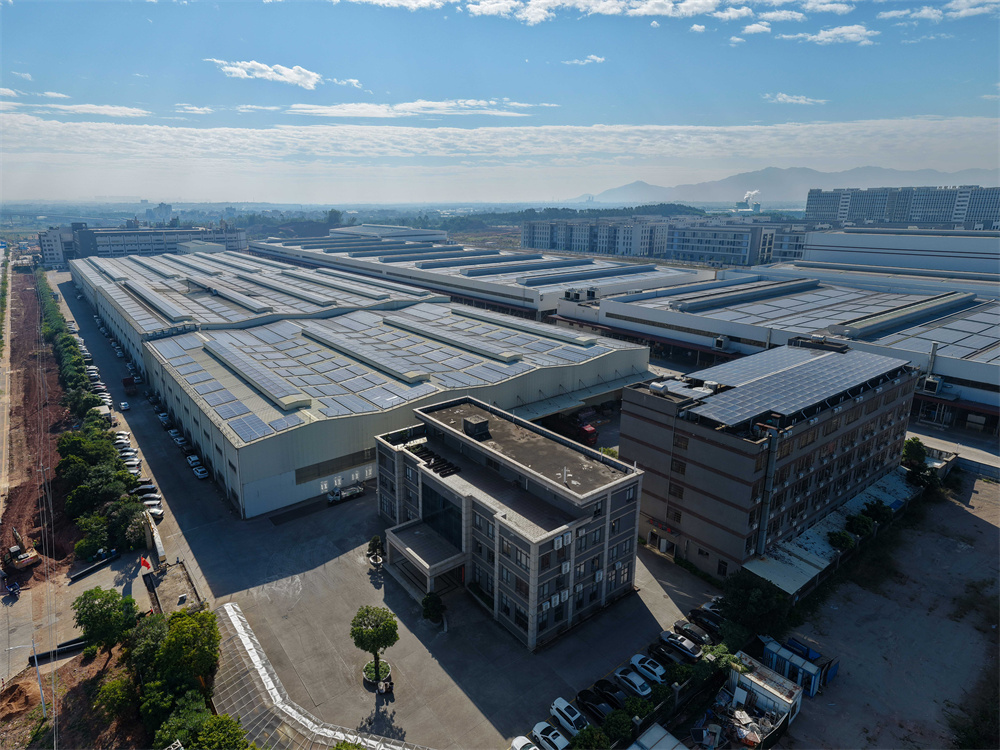
Our corporate headquarters are located in the industrial hub of Sihui, Guangdong, complemented by strategic branch offices in Foshan, Guangdong. Under a comprehensive ISO quality management system, we ensure that every millimeter of extruded profile conforms to international standards of dimensional accuracy and material purity.
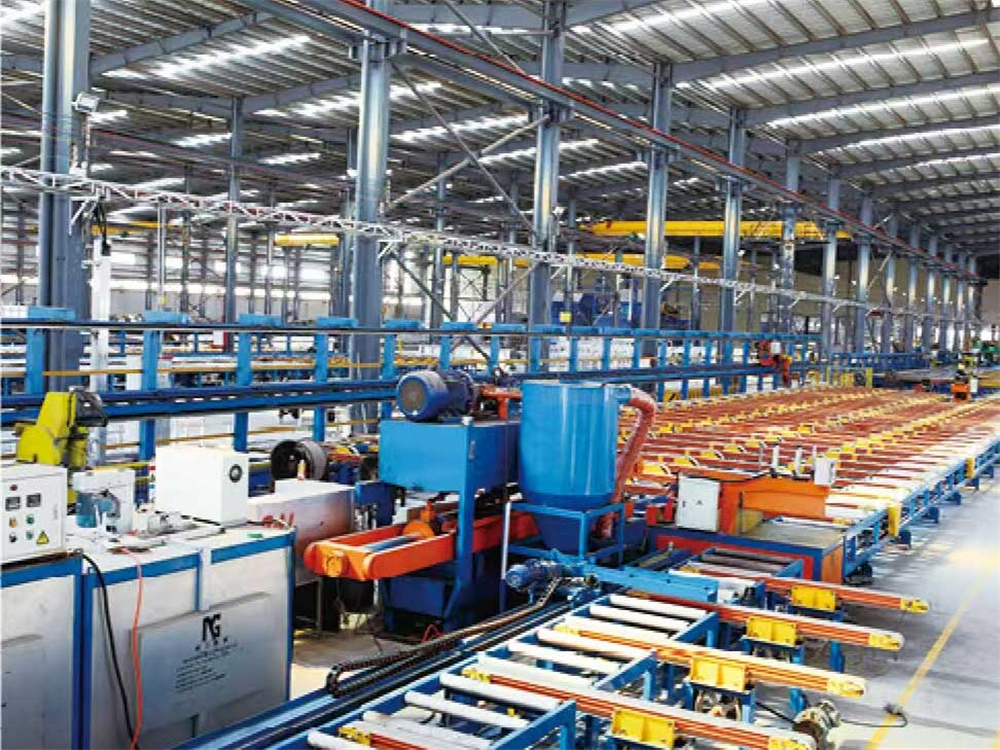
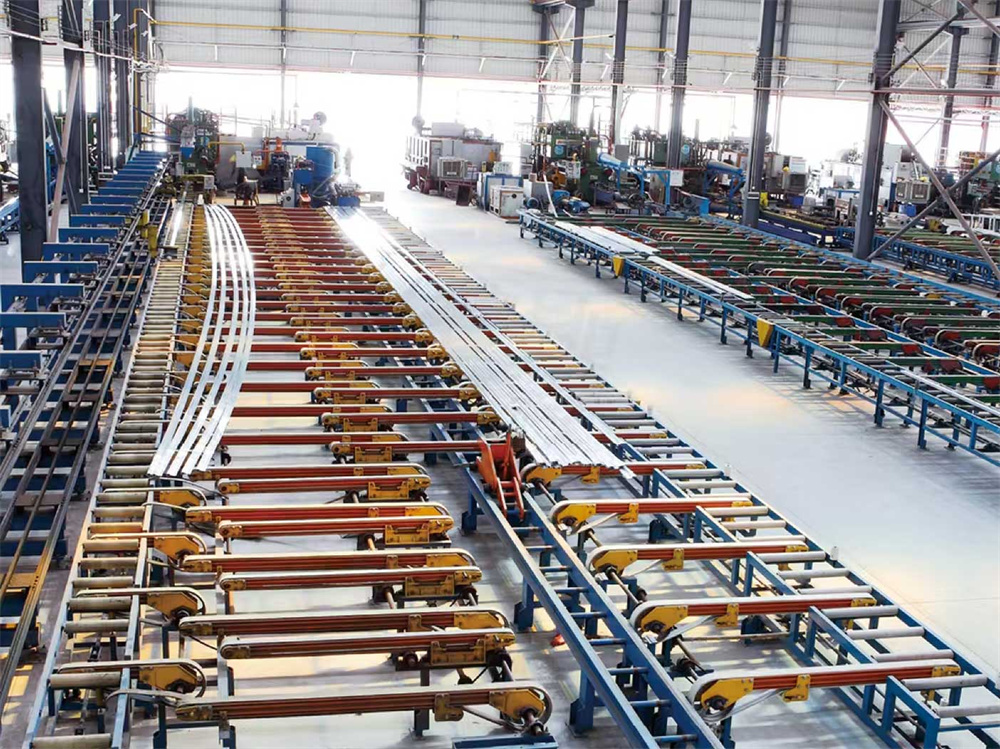
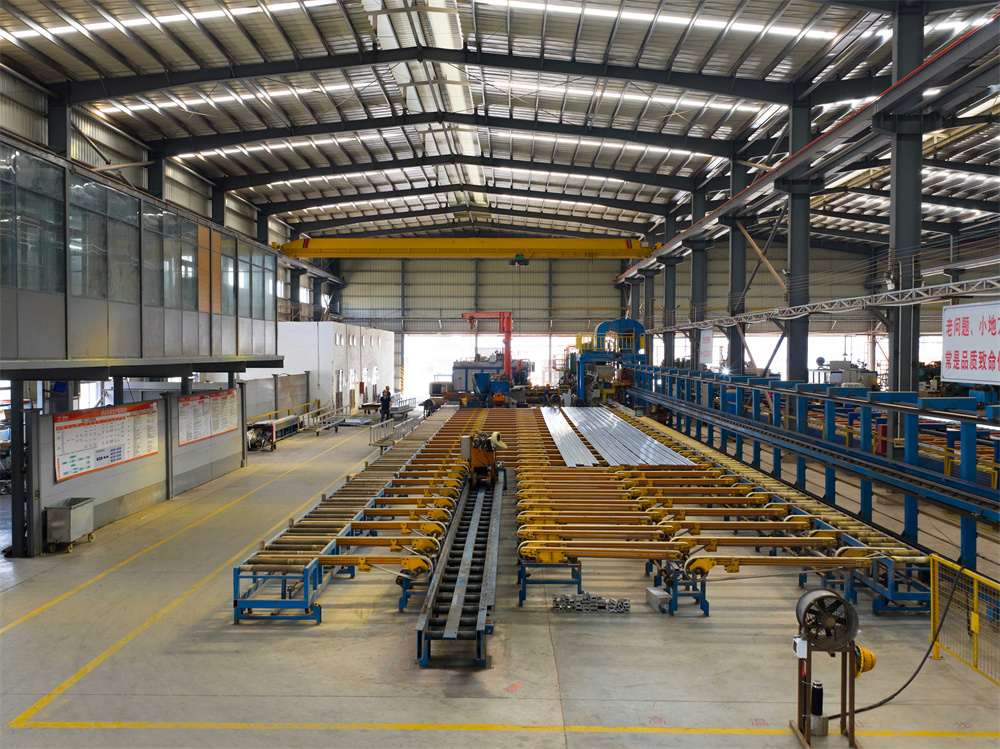
Our flagship brand, "Aolijie", operates across 4 advanced production bases. These facilities are equipped with heavy-duty extrusion lines ranging from 900 tons to 2000 tons, enabling the production of both delicate, thin-walled profiles and robust structural components. Our in-house capabilities include powder coating, anodizing, electrophoretic coating, PVDF coating, wood-grain sublimation, precision die production, and state-of-the-art CNC deep processing.
Our Mission: Building sustainable cities and eco-friendly spaces for the world by delivering green, recyclable aluminum materials.
Our Vision: To be the aluminum profile production enterprise with the highest customer satisfaction, the strongest sense of employee fulfillment, and the most influential global export presence.
Our Values: Customer First (regarding customer success as our own), Employee Development (growing together), and Brand Reputation (never compromising on quality).
With an annual production capacity of 100,000 tons and an archive of over 100,000 sets of custom molds, Aoli Aluminum is uniquely positioned to handle high-volume industrial contracts while maintaining the flexibility required for custom architectural projects.
Our extensive catalog covers more than 100 product series and over 1,000 distinct specifications. To meet the evolving challenges of thermal efficiency and structural strength, we have integrated advanced thermal break technologies and precision mechanical testing into our standard production workflow. This dedication to quality has allowed us to expand our footprint globally, exporting high-performance aluminum solutions to the Middle East, South America, Africa, and Southeast Asia.
By offering comprehensive CNC deep processing—including precision cutting, drilling, tapping, milling, and assembly—we reduce the supply chain complexity for furniture manufacturers. Instead of receiving raw extrusions that require further processing, our clients receive ready-to-assemble components, minimizing production lead times and lowering overhead costs.
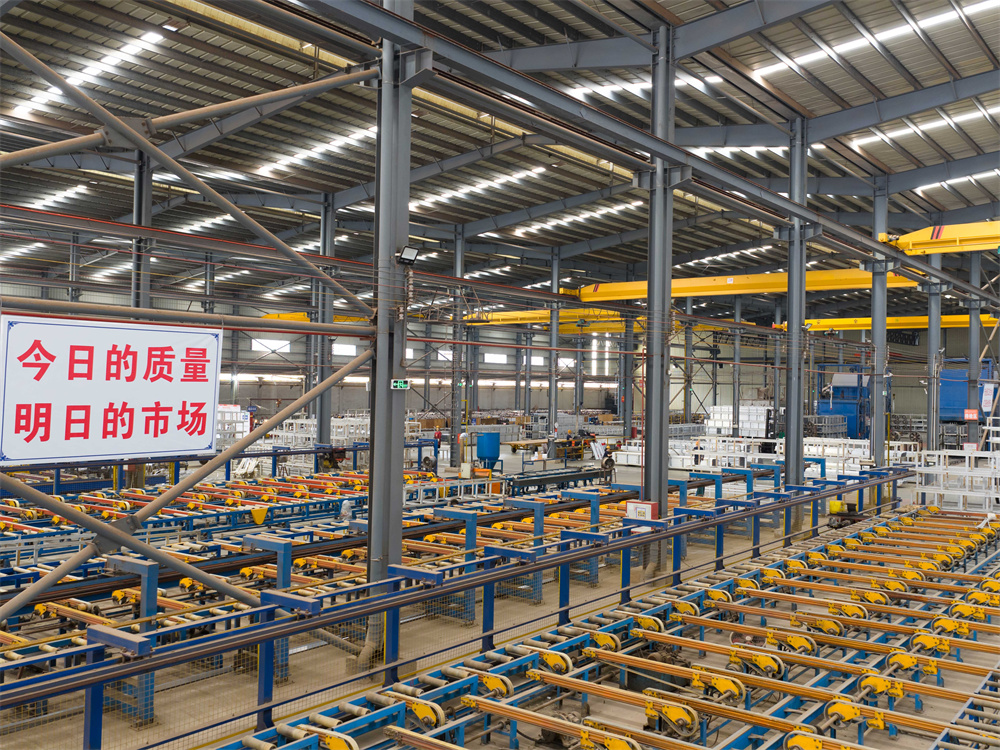
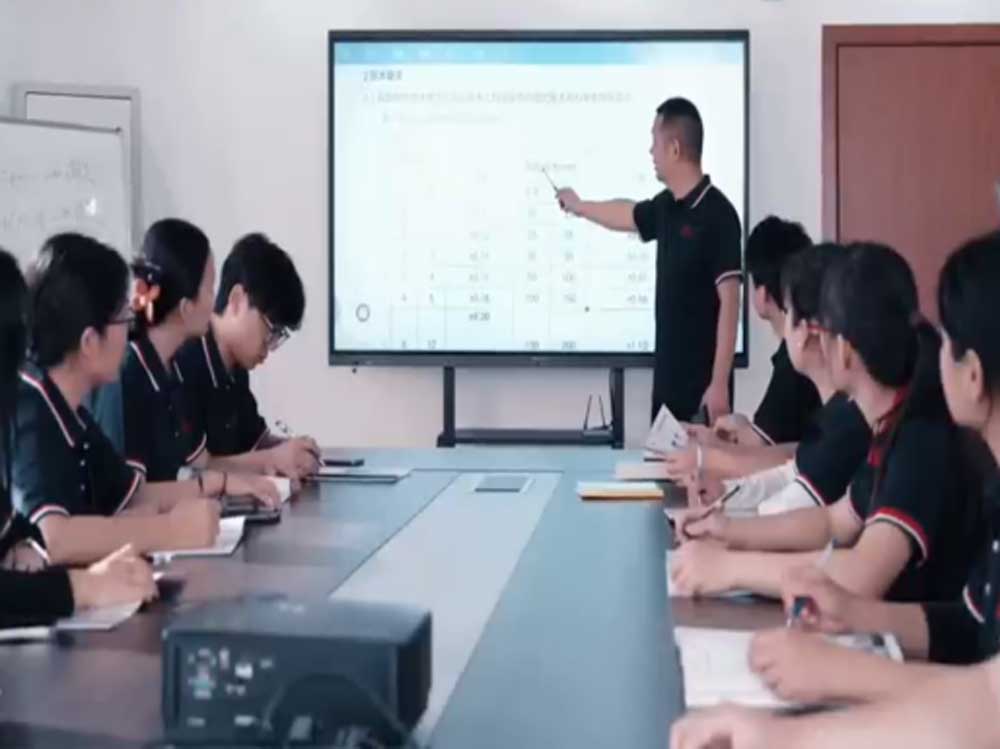
Take a virtual tour through our advanced manufacturing lines, showcasing extrusion presses, surface finishing setups, and rigorous quality inspection zones.
As we move deeper into the digital age, the furniture manufacturing industry is undergoing a transition driven by tech integration and circular economy principles.
1. Smart Furniture & IoT Integration: Modern furniture is no longer passive. Desks, tables, and cabinets are increasingly embedded with wireless chargers, biometric locks, touch-sensitive controls, and automated linear actuators. Aluminum profiles act as the perfect protective housing and heat sink for these electronic components. Future extrusions will feature built-in micro-channels and mounting brackets specifically designed to receive IoT modules directly off the production line.
2. Intelligent Manufacturing & Customization-on-Demand: The integration of AI in design and manufacturing allows for rapid prototyping and custom profile design. By optimizing die designs using AI simulation software, manufacturers can predict material flow and mechanical stresses before cutting steel dies. This reduces mold development times, minimizes material waste, and enables highly customized, low-volume profile runs for bespoke architectural projects.
3. Circular Economy and Carbon Accounting: Global brands are setting aggressive net-zero carbon targets. Aluminum's recyclability plays a vital role here. Utilizing recycled aluminum ingots requires only 5% of the energy compared to primary smelting, reducing the carbon footprint of furniture products by up to 95%. Manufacturers who partner with ISO-certified, environmentally conscious suppliers like Aoli Aluminum gain a competitive edge in green building bids and global retail markets.