+86 18029386403
South Korea has emerged as one of Asia's most dynamic markets for aluminum profile extrusion, driven by rapid urbanization, advanced manufacturing capabilities, and a strong commitment to sustainable construction practices. The Korean aluminum extrusion industry has experienced remarkable growth over the past decade, with the market valued at approximately $2.8 billion in 2024 and projected to reach $4.2 billion by 2030, representing a compound annual growth rate (CAGR) of 7.2%.
The country's strategic location, technological advancement, and robust infrastructure development have positioned South Korea as a regional hub for aluminum profile manufacturing and distribution. Major cities like Seoul, Busan, Incheon, and Daegu have witnessed unprecedented construction activity, creating substantial demand for high-quality aluminum extrusion products across residential, commercial, and industrial sectors.
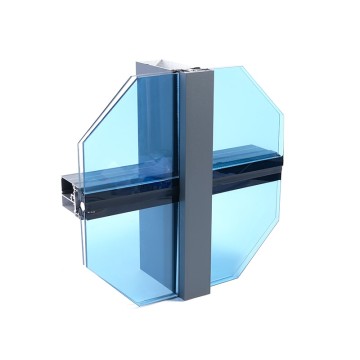
South Korea's construction industry is the primary consumer of aluminum profiles, accounting for approximately 65% of total market demand. The country's ambitious urban renewal projects, including the Seoul Metropolitan Area Redevelopment Plan and the Busan Eco-Delta Smart City initiative, have created massive opportunities for aluminum profile suppliers. High-rise residential complexes, commercial towers, and mixed-use developments increasingly specify aluminum curtain walls, window systems, and architectural facades due to their superior thermal performance, aesthetic versatility, and long-term durability.
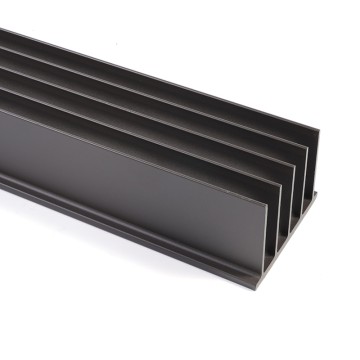
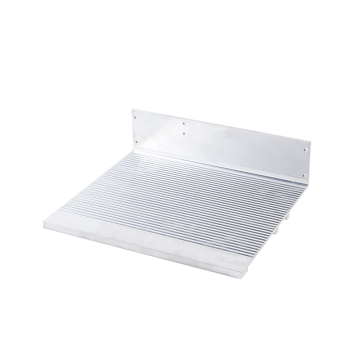
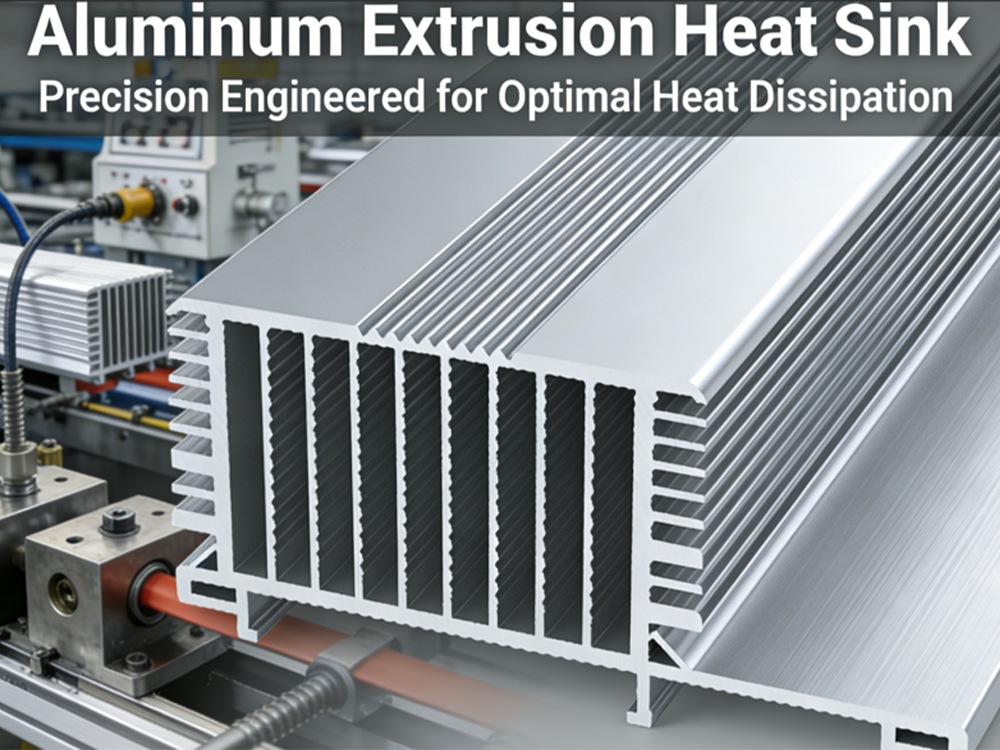
South Korea's world-renowned manufacturing sector, particularly in electronics, automotive, and semiconductor industries, represents the second-largest application segment for aluminum profiles. Companies like Samsung, LG, Hyundai, and SK Hynix utilize specialized aluminum extrusions for equipment frames, heat sinks, cleanroom structures, and automated production line components. The country's transition toward Industry 4.0 and smart manufacturing has further accelerated demand for precision-engineered aluminum profiles with tight tolerances and advanced surface treatments.
Several key trends are shaping the aluminum profile extrusion landscape in South Korea. The government's Green New Deal initiative, launched in 2020 with a $95 billion investment commitment, has prioritized energy-efficient building materials and renewable energy infrastructure. This policy framework has significantly boosted demand for thermal-break aluminum window systems, energy-efficient curtain walls, and solar panel mounting structures.
The Korean construction industry has increasingly adopted the Building Information Modeling (BIM) approach, requiring aluminum profile suppliers to provide detailed technical specifications, 3D models, and performance data. This digital transformation has elevated quality standards and pushed manufacturers toward greater precision and customization capabilities.
Environmental consciousness has become a defining characteristic of South Korea's aluminum industry. The country has implemented stringent recycling regulations, with aluminum recycling rates exceeding 85% - among the highest globally. Korean architects and developers increasingly specify recycled aluminum content in their projects, and many suppliers have obtained environmental certifications such as ISO 14001 and EPD (Environmental Product Declaration). The lightweight nature of aluminum profiles also contributes to reduced transportation emissions and lower structural loads, aligning with Korea's carbon neutrality goals for 2050.
Aluminum profile applications in South Korea span diverse sectors with unique requirements:
Residential Construction: Korean apartment complexes, which house over 60% of the urban population, predominantly feature aluminum sliding windows and balcony enclosures. The trend toward larger window openings for natural lighting has increased demand for high-strength aluminum profiles capable of supporting expansive glass panels while maintaining thermal efficiency. Premium residential developments in Seoul's Gangnam district and Busan's Marine City showcase sophisticated aluminum curtain wall systems with integrated shading devices.
Commercial Architecture: South Korea's skyline features numerous iconic towers utilizing innovative aluminum facade systems. Projects like the Lotte World Tower (555m), Parc.1 Tower in Seoul, and Busan International Finance Center demonstrate advanced aluminum extrusion applications including unitized curtain walls, structural glazing systems, and ventilated facades. These projects require aluminum profiles with superior wind load resistance, seismic performance, and weather tightness to withstand Korea's distinct four-season climate.
Transportation Infrastructure: Korea's extensive public transportation network incorporates aluminum profiles in subway station canopies, bus shelters, airport terminals, and high-speed rail facilities. Incheon International Airport's recent expansion utilized over 15,000 tons of aluminum profiles for its terminal facades, roof structures, and interior partitions. The material's corrosion resistance makes it ideal for coastal transportation hubs like Busan Port and Incheon Port.
Industrial Facilities: Semiconductor fabrication plants (fabs) in cities like Pyeongtaek, Hwaseong, and Giheung require cleanroom-grade aluminum profiles with anodized or powder-coated finishes that minimize particle generation. These specialized profiles support modular cleanroom walls, equipment platforms, and cable management systems. The automotive industry in Ulsan and Gwangju utilizes aluminum extrusions for assembly line frameworks, robotic workcells, and material handling systems.
Solar Energy Projects: South Korea's commitment to renewable energy has spurred growth in solar installations, both ground-mounted and rooftop systems. Aluminum mounting structures and frames are essential components, with demand particularly strong in southern provinces like Jeollanam-do and Jeollabuk-do where solar farm development is concentrated.
Premium curtain walls, window systems, and door profiles for Seoul's luxury developments and Busan's waterfront projects. Thermal-break technology meets Korea's stringent energy codes.
Precision profiles for semiconductor cleanrooms, automotive assembly lines, and electronics manufacturing facilities across Korea's industrial corridors.
Large-scale applications in transportation hubs, sports facilities, and public buildings supporting Korea's continued infrastructure modernization.
Solar mounting systems and wind energy components supporting Korea's Green New Deal and 2050 carbon neutrality commitments.
Decorative profiles, partition systems, and modular solutions for Korean offices, hotels, and retail spaces emphasizing modern aesthetics.
Custom extrusions for marine environments, pharmaceutical facilities, and food processing plants meeting Korea's strict industry standards.

Strategic planning for aluminum profile supply to Korean construction and industrial sectors.

Material and process excellence meeting Korean semiconductor and electronics requirements.

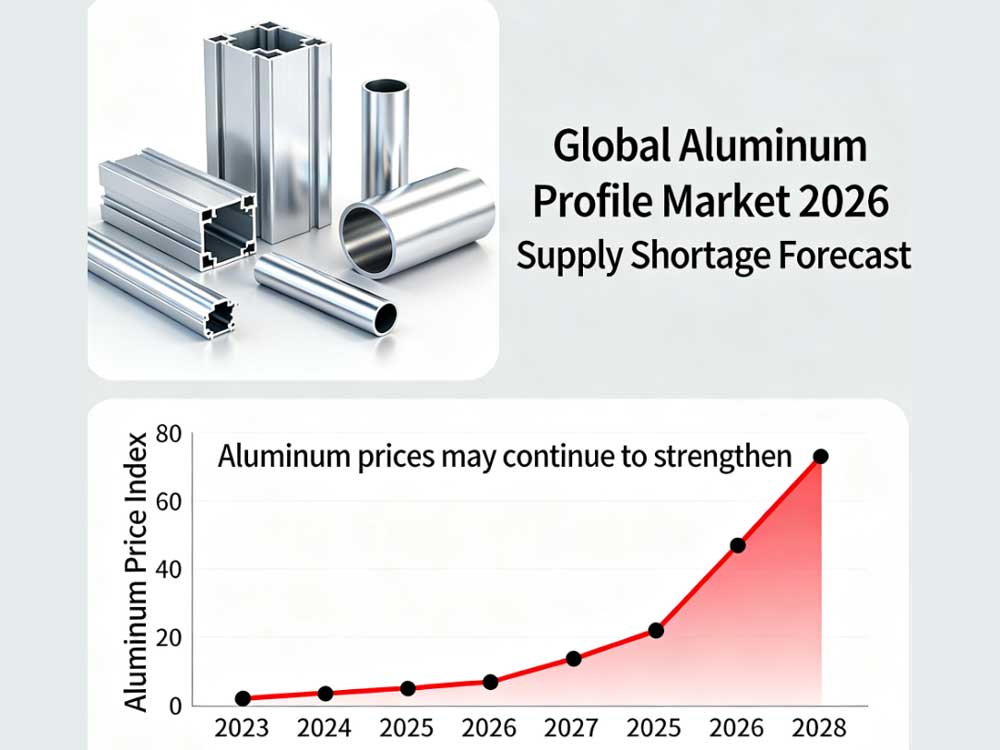
Supply and demand analysis for South Korean aluminum profile market outlook.