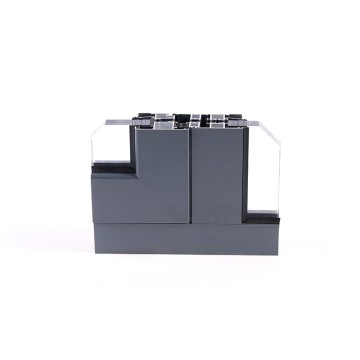
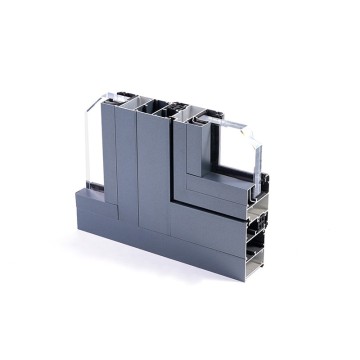
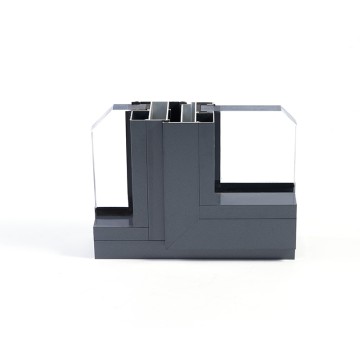
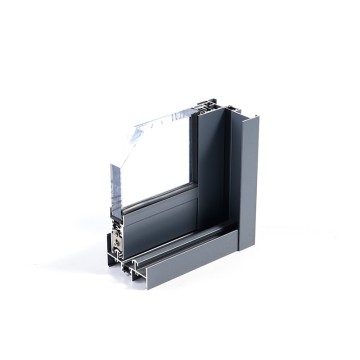
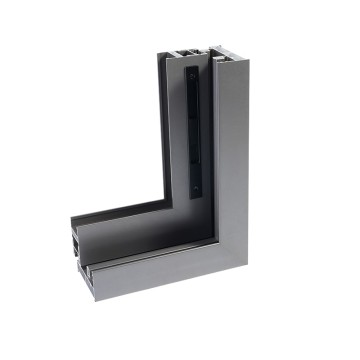
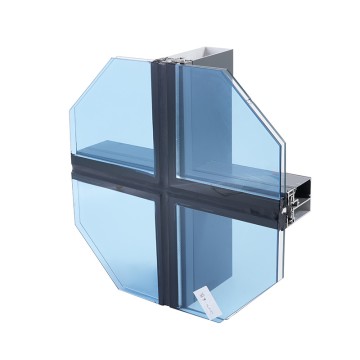
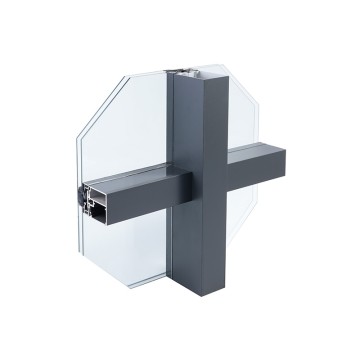
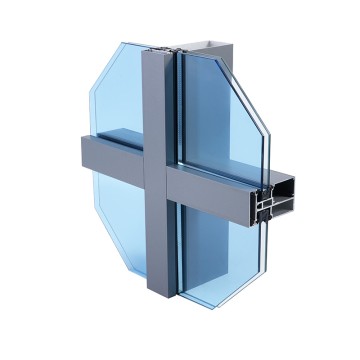
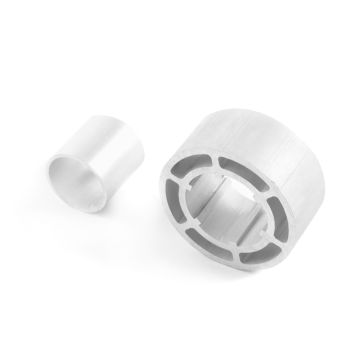
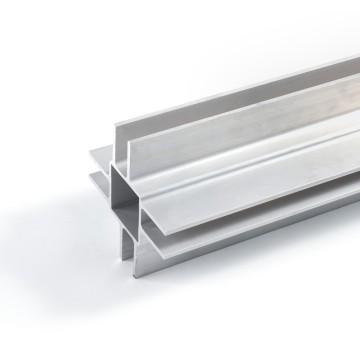
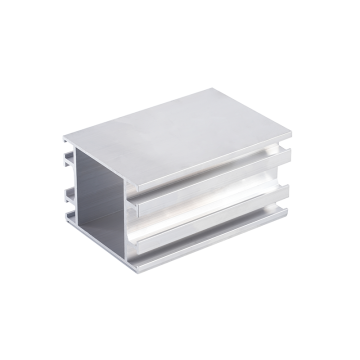
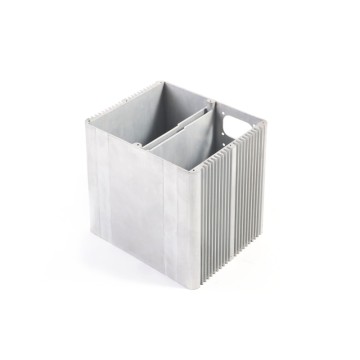
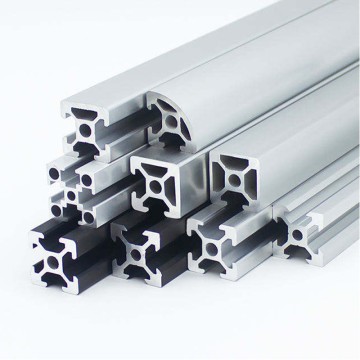
Engineered aluminum profiles designed to form the structural backbone of modern outdoor pergola furniture structures.
The outdoor furniture manufacturing industry is undergoing a monumental shift. As residential and commercial spaces merge interior luxury with exterior freedom, the demand for durable, customizable, and high-performance architectural systems has skyrocketed. At the center of this revolution is the Aluminum Pergola Profile for Furniture Manufacturing. Once considered a niche architectural component, extruded aluminum profiles have become the primary material choice for high-end outdoor furniture brands, bioclimatic structure builders, and spatial designers worldwide.
In modern furniture manufacturing, aluminum offers an unparalleled combination of structural integrity, weight optimization, and aesthetic versatility. Unlike steel, which is prone to oxidation in outdoor settings, or wood, which requires continuous maintenance and suffers from structural warping, aluminum profiles provide a lifetime of maintenance-free performance. By leveraging advanced architectural extrusion techniques, manufacturers can produce complex, hollow-core profiles that integrate internal drainage systems, electrical wiring channels, and smart motorization systems seamlessly.
To understand why aluminum pergola profiles are so highly valued in furniture manufacturing, one must look at their mechanical properties. Typically extruded from 6000-series aluminum alloys (most commonly 6063-T5 or 6063-T6), these profiles undergo rigorous thermal treatment processes to maximize tensile strength and yield performance. This allows furniture manufacturers to build spanning structures that can withstand high wind loads, heavy snow accumulations, and seismic stresses without showing signs of structural fatigue.
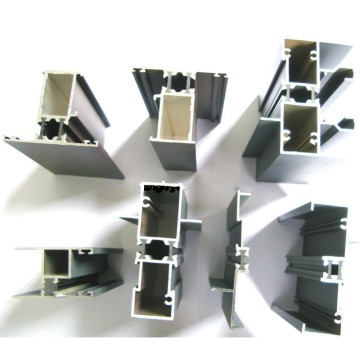
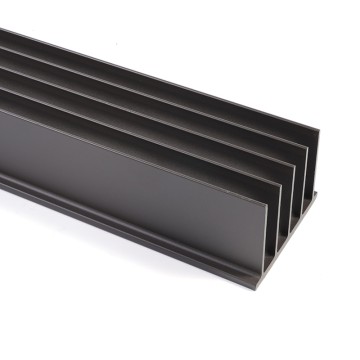
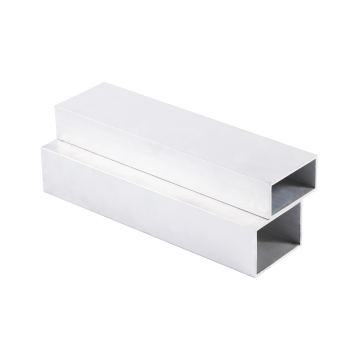
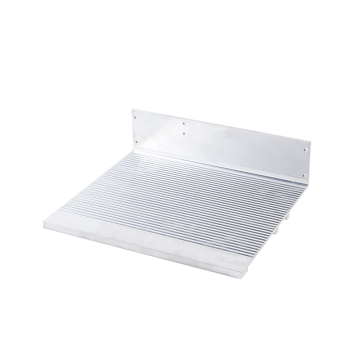
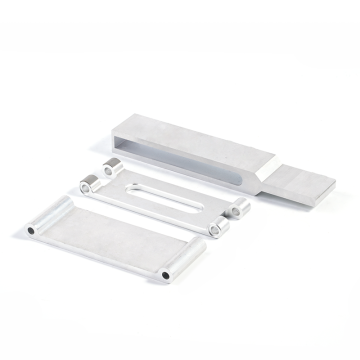
Explore our comprehensive range of custom extruded aluminum profiles designed for structural integrity and high-performance applications.
The versatility of the Aluminum Pergola Profile for Furniture Manufacturing extends far beyond simple overhead canopies. As furniture companies seek to deliver comprehensive outdoor living solutions, these profiles are integrated into complex, multi-functional systems. Below, we explore the primary application scenarios defining the current market:
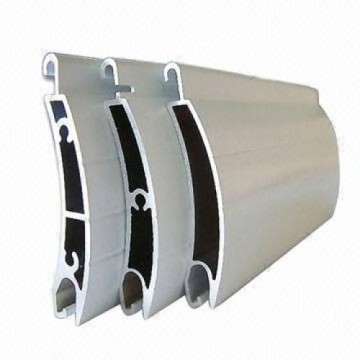
Bioclimatic pergolas are the pinnacle of luxury outdoor engineering. Featuring motorized louver blades that rotate up to 150 degrees, these systems allow users to control sunlight, ventilation, and rain protection dynamically. The profiles required for this application must feature intricate internal geometry. They include hollow channels for motor shafts, integrated water-collection gutters inside the main support beams, and precise hinge tracks that guarantee smooth, silent louver rotation over thousands of cycles.
Outdoor sofas, daybeds, and dining tables are increasingly designed to hook directly into the pergola's structural pillars. By utilizing matching extruded aluminum profiles, furniture manufacturers can create cohesive design languages. T-slot interfaces on the columns allow for the easy attachment of side screens, privacy panels, and modular shelving units, turning the pergola into a fully integrated outdoor living room.
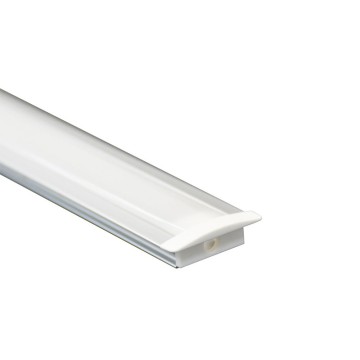
Modern outdoor spaces demand built-in lighting, audio systems, and heaters. Advanced pergola profiles are designed with dedicated wiring chases and snap-on covers. This allows manufacturers to run low-voltage LED strips, Bluetooth speaker wires, and power lines for infrared heaters inside the metal structure, keeping the wiring completely hidden from sight and protected from the elements.
Discover our successful partnerships and installations of premium architectural aluminum profiles worldwide.


Producing a high-quality Aluminum Pergola Profile for Furniture Manufacturing requires state-of-the-art production facilities and strict quality control measures. The process begins with raw aluminum billets, which are preheated to temperatures around 450°C to 500°C before being forced through custom-designed steel dies under thousands of tons of hydraulic pressure. This extrusion step gives the profile its complex interior and exterior shapes.
Because outdoor furniture is exposed to intense UV radiation, moisture, and temperature fluctuations, the surface finishing of the aluminum profiles is of paramount importance. There are three primary surface treatment methods utilized in high-end manufacturing:
Extruded profiles must undergo precise post-extrusion fabrication before assembly. This includes high-speed cutting to exact lengths, drilling assembly holes, milling pockets for hidden connectors, and punching slots for drainage. Utilizing multi-axis CNC machining centers ensures that every component aligns perfectly during final assembly, minimizing installation errors on-site.
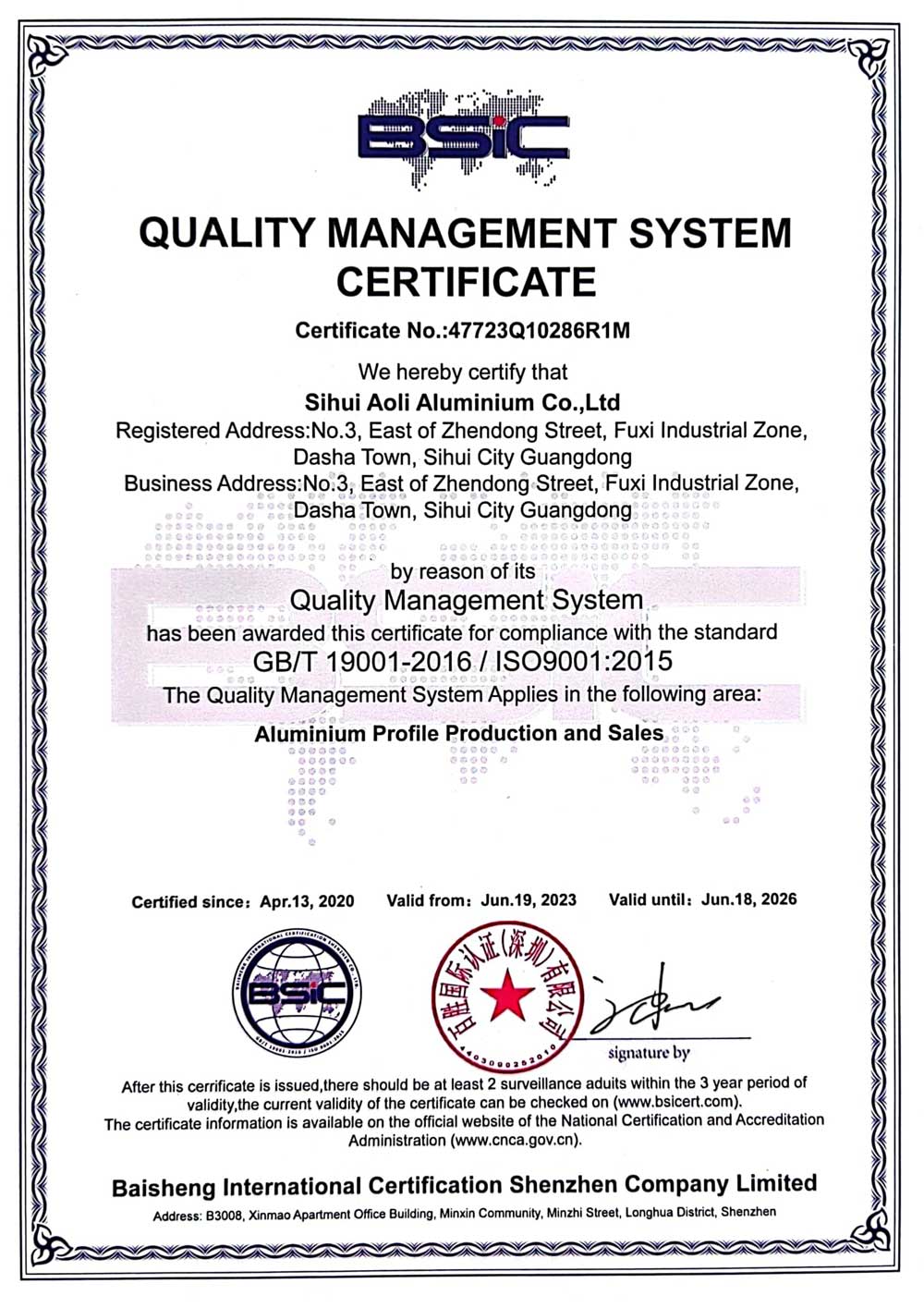
Why leading furniture manufacturers trust our custom extrusion capabilities and quality standards.
Equipped with state-of-the-art extrusion presses capable of producing complex hollow profiles with tight tolerances for smart furniture applications.
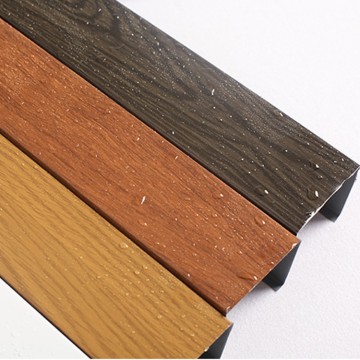
Offering Qualicoat-certified powder coating, anodizing, and ultra-realistic wood grain sublimation for ultimate outdoor durability.
From initial 3D design and alloy selection to final CNC machining and packaging, we provide end-to-end solutions for global brands.


As the industry moves forward, several key trends are shaping the development of next-generation aluminum pergola profiles:
Building-Integrated Photovoltaics (BIPV) is becoming a major trend in sustainable outdoor design. Manufacturers are developing louver profiles that feature built-in solar panels. These panels capture solar energy during the day to power the pergola's louvers, LED lighting, and USB charging stations, making the structure completely grid-independent.
To cater to enclosed sunrooms and all-weather pergolas, manufacturers are introducing thermal break technology into their profiles. By inserting a low-conductive polyamide strip between the inner and outer aluminum sections, heat transfer is significantly reduced, helping to maintain comfortable indoor temperatures while preventing condensation.
Environmental responsibility is a primary driver in B2B purchasing decisions. Modern buyers demand profiles made from low-carbon or recycled aluminum. Using recycled material reduces energy consumption during raw material production by up to 95%, allowing furniture brands to meet their carbon reduction targets.
Q: What is the optimal wall thickness for structural pergola profiles?
A: For main support columns and load-bearing beams, we recommend a wall thickness between 2.0mm and 3.0mm. For non-structural components like decorative trim or infill panels, 1.2mm to 1.5mm is sufficient.
Q: How do you guarantee the wind resistance of the pergola profiles?
A: We utilize structural engineering software to simulate wind loads on different profile geometries. By optimizing the internal rib structures and using high-strength 6063-T6 alloys, our profiles are engineered to withstand wind speeds up to 120 km/h when properly anchored.
Q: Can you match custom color requirements from architectural projects?
A: Yes, we offer full color-matching services based on RAL or Pantone color codes. Our powder coating lines can adjust gloss levels from matte to high-gloss to meet specific design criteria.
Stay updated with the latest trends in aluminum extrusion technology and global market analysis.

Aoli Aluminum shares holiday wishes and provides strategic planning advice for global clients to secure production capacity in early 2026.

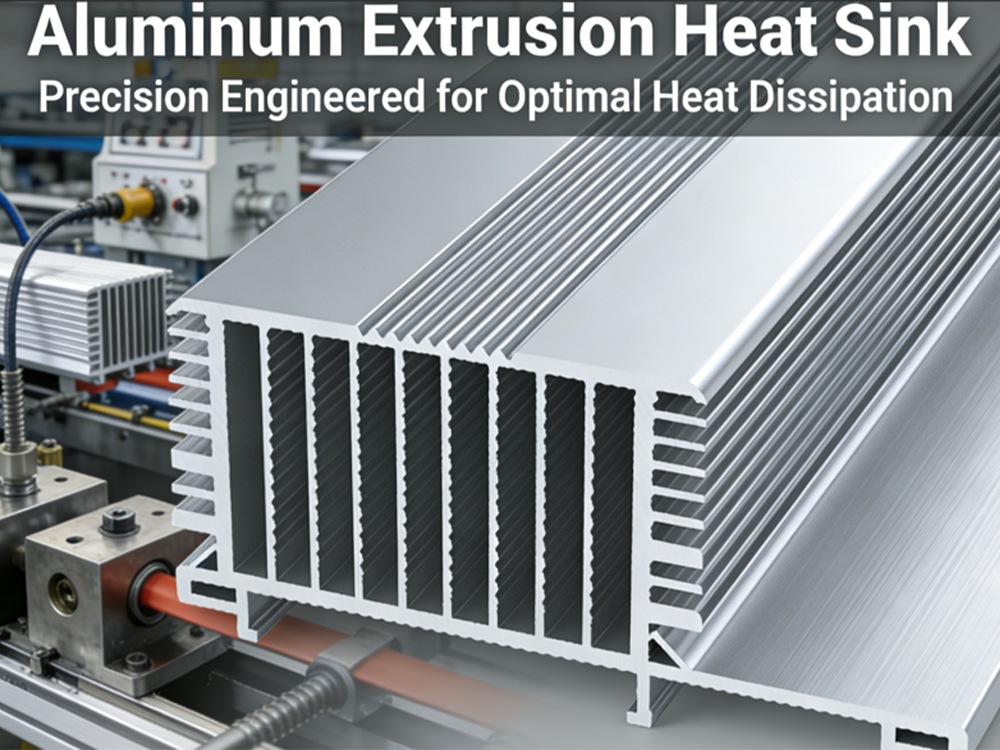
An in-depth look at the thermal performance of extruded aluminum and its growing importance in industrial cooling applications.

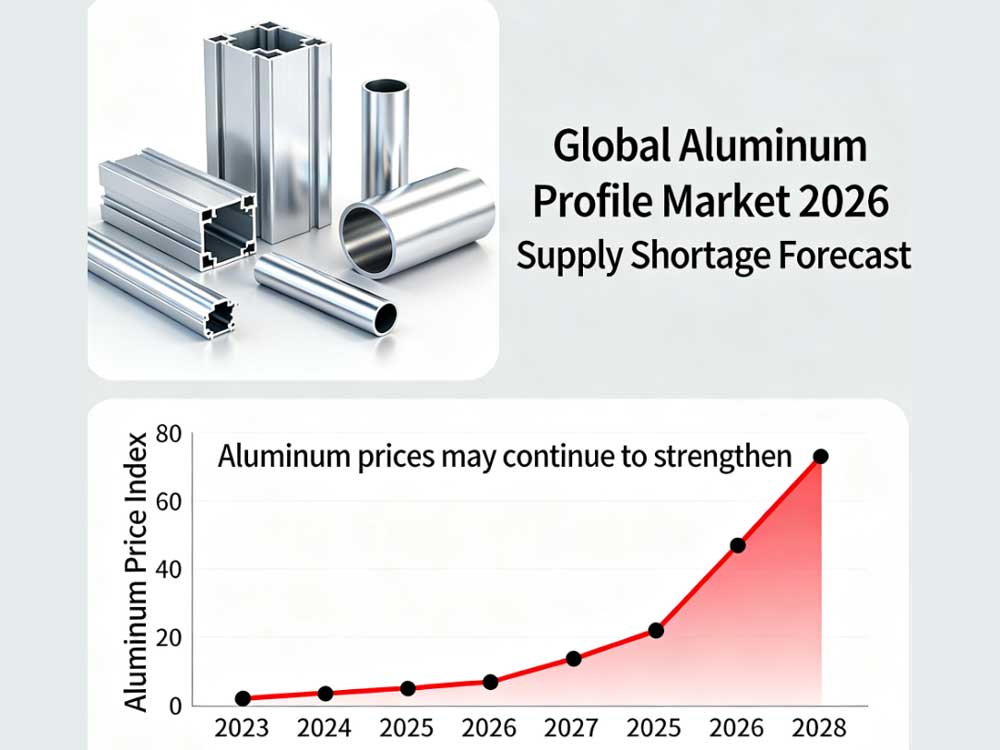
A comprehensive review of raw material pricing, logistics, and demand forecasts shaping the global aluminum industry in 2026.
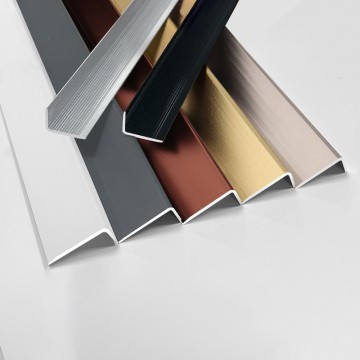
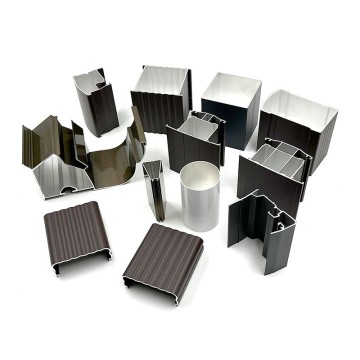
Browse our full catalog of specialized extrusions designed for the outdoor furniture and structural industries.