inquiry
Leave Your Message

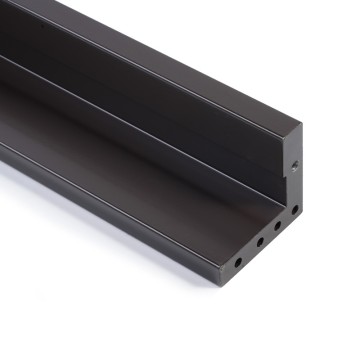
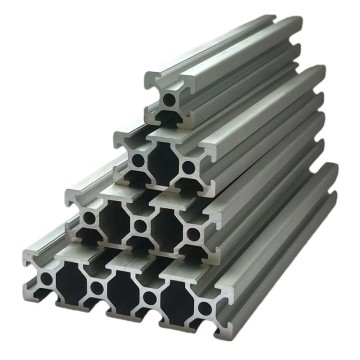
Aluminum Extrusion Profile For Solar Energy Systems

Next-Generation Structural Solutions Engineered for Maximum Efficiency, Mechanical Durability, and Longevity in Renewable Power Infrastructure.

The Critical Role of Aluminum Extrusion in Modern Solar Energy Systems

The global transition toward green, renewable energy has positioned solar photovoltaics (PV) as one of the fastest-growing industrial sectors. In the design and deployment of utility-scale solar farms, commercial solar carports, and residential rooftop installations, structural integrity is paramount. Aluminum extrusion profiles serve as the essential skeletal framework, securing delicate PV panels against extreme environmental forces such as high winds, heavy snow loads, and seismic activities.

Industrial Status: Why Aluminum Dominates Solar Racking

Traditionally, structural steel was the material of choice for heavy industrial framing. However, the solar industry has undergone a massive paradigm shift toward extruded aluminum. The unique benefits of aluminum extrusion profiles make them uniquely suited for solar energy systems:

  • Unmatched Strength-to-Weight Ratio: Extruded aluminum profiles deliver structural capacities equivalent to steel at a fraction of the weight. This minimizes structural dead loads on commercial roofs and greatly reduces transportation and installation costs.
  • Superior Corrosion Resistance: Solar systems are deployed outdoors for 25 to 30 years, often in harsh environments including marine zones, high-salinity coastal areas, and arid deserts. Aluminum naturally generates a protective oxide layer, which is further enhanced by industrial anodizing processes.
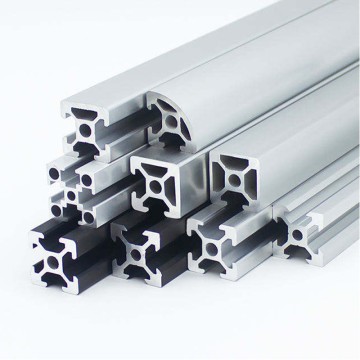
  • Design Flexibility and Precision: The extrusion process allows engineers to design complex cross-sections with integrated T-slots, screw ports, and interlocking mechanisms. This facilitates fast, tool-free assembly on-site, cutting labor costs dramatically.
  • 100% Recyclability: At the end of the solar plant’s lifecycle, aluminum components can be recycled indefinitely without losing their mechanical properties, aligning perfectly with the circular economy goals of renewable energy.
17+
Years Industry Experience
100,000+
Annual Capacity (Tons)
60+
Exported Countries
30%
Sales Growth Per Year

Technical Specifications & Metallurgy for Solar Mounts

Not all aluminum extrusions are created equal. Solar mounting structures require specific chemical compositions and heat treatment tempers to ensure they withstand decades of mechanical stress. The most common alloys used in solar racking systems include 6063, 6005A, and 6061, typically processed to a T5 or T6 temper.

Alloy Composition and Performance

Alloy 6063: Renowned for its excellent surface finish and ease of extrusion, 6063 is widely used for solar panel frames and light-duty racking rails. It offers good corrosion resistance and moderate structural strength.

Alloy 6005A: Engineered for high-load applications, 6005A provides superior tensile strength and bending resistance. This alloy is the industry standard for structural rails, crossbeams, and connectors in utility-scale ground mount systems.

Alloy 6061: With high magnesium and silicon content, 6061-T6 offers outstanding mechanical properties and weldability. It is reserved for high-stress joints and structural elements in geographic regions prone to hurricane-force winds or heavy snow accumulation.

The Importance of Precision Anodizing

To prevent galvanic corrosion—which occurs when aluminum comes into contact with stainless steel mounting hardware or steel foundation piles—extruded profiles undergo rigorous surface treatments. Class I anodizing (minimum 15 microns) or Class II (minimum 10 microns) is standard. This electrochemical process thickens the natural oxide layer, rendering the surface highly resistant to scratching, UV degradation, and chemical weathering.

Product Series

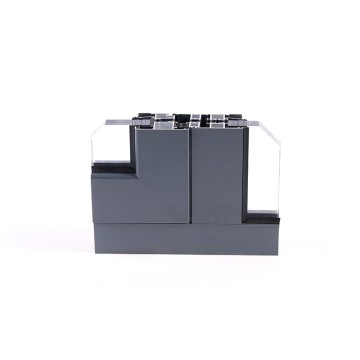
Custom Thermal Break Solar Frame Profile
Custom Thermal Break Solar Frame Profile Details
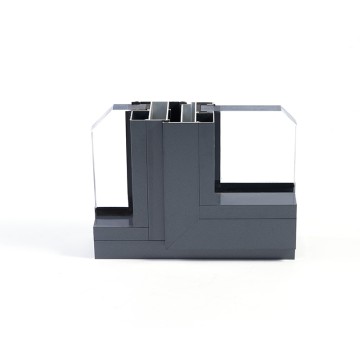
OEM Solar Panel Support Framework Profile
OEM Solar Panel Support Framework Profile Details
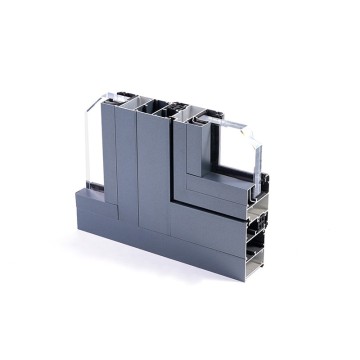
Weatherproof BIPV Solar Window Extrusion Profile
Weatherproof BIPV Solar Window Extrusion Profile Details
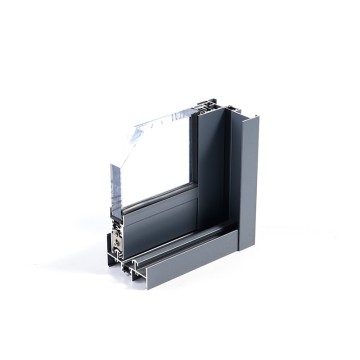
BIPV Solar Panel Mounting Frame Profile
BIPV Solar Panel Mounting Frame Profile Details
Heavy-Duty Solar Panel Sliding Rack Rails
Heavy-Duty Solar Panel Sliding Rack Rails Details
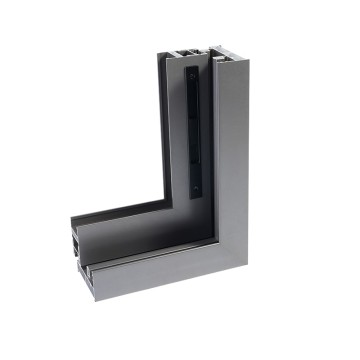
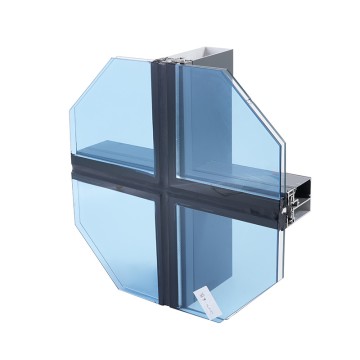
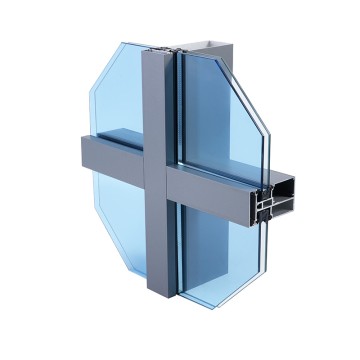
Frameless BIPV Solar Curtain Wall Profile
Frameless BIPV Solar Curtain Wall Profile Details
Invisible-Frame Solar Photovoltaic Wall Profile
Invisible-Frame Solar Photovoltaic Wall Profile Details
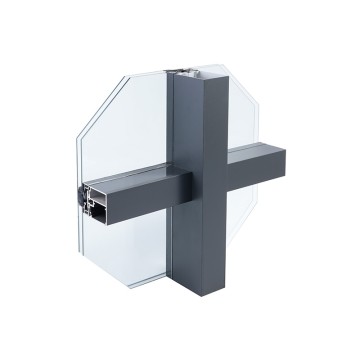
Visible-Frame Solar Panel Wall Extrusion
Visible-Frame Solar Panel Wall Extrusion Details
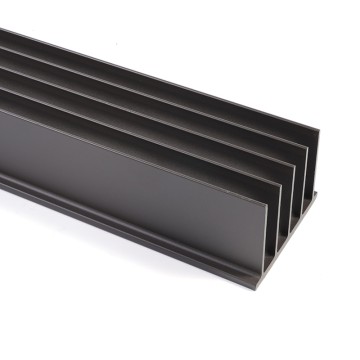
Solar Inverter Aluminum Heat Sink Profile
Solar Inverter Aluminum Heat Sink Profile Details
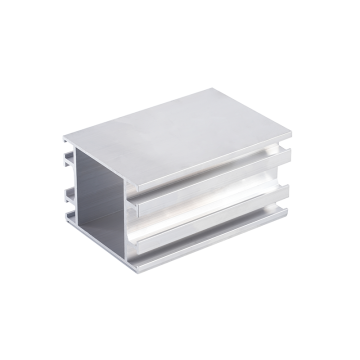
Double-Cavity Solar Panel Support Framing Profile
Double-Cavity Solar Panel Support Framing Profile Details
High-Efficiency Solar Inverter Cooling Profiles
High-Efficiency Solar Inverter Cooling Profiles Details
Precision Solar Component Mounting Bracket
Precision Solar Component Mounting Bracket Details
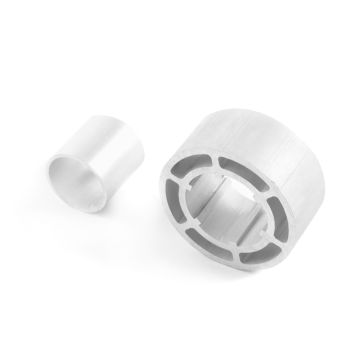
Solar Tracker Mechanical Actuator Housing Profile
Solar Tracker Mechanical Actuator Housing Profile Details
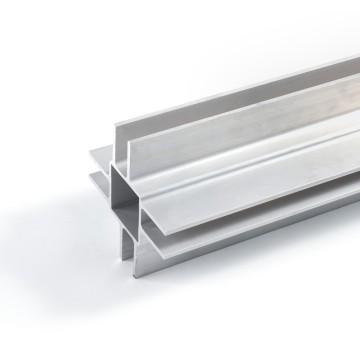
Multi-Slot Heavy-Duty Solar Racking Profile
Multi-Slot Heavy-Duty Solar Racking Profile Details
Solar Battery Storage Heat Radiator Profile
Solar Battery Storage Heat Radiator Profile Details
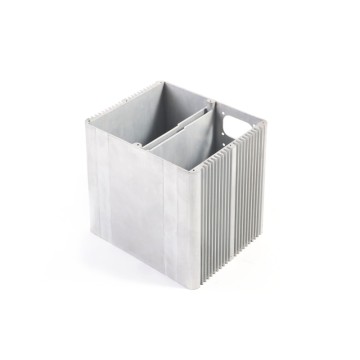
Solar Power Station Battery Enclosure Profile
Solar Power Station Battery Enclosure Profile Details

Deep-Dive Application Scenarios of Solar Aluminum Profiles

Modern clean energy infrastructure spans diverse environments and structural requirements. The adaptability of custom aluminum extrusion profiles allows them to be deployed in specialized applications, maximizing power generation efficiency and system safety.

1. Building-Integrated Photovoltaics (BIPV)

BIPV represents the integration of solar power generation directly into architectural building envelopes. Rather than placing solar panels on top of existing structures, the building materials themselves act as solar generators. Custom-engineered aluminum frames are used to integrate photovoltaic glass into curtain walls, skylights, and residential window frames. These profiles must maintain structural seal integrity, accommodate internal cabling, and provide reliable thermal breaks to ensure energy efficiency inside the building.

2. Smart Solar Tracking Systems

To maximize energy capture throughout the day, modern utility-scale solar farms employ solar trackers that rotate the panels to follow the sun’s path. This dynamic movement puts high torsional stress on the support structures. Aluminum profiles used in solar trackers are extruded with thicker walls and double-cavity profiles to resist twisting, while keeping the overall structure lightweight enough to minimize load requirements on actuator motors.

3. Floating Photovoltaic (FPV) Systems

With land space becoming increasingly scarce, floating solar installations on reservoirs, industrial ponds, and coastal waters are skyrocketing in popularity. The marine-like environment presents an extreme corrosion challenge. Special marine-grade anodized aluminum profiles are used to construct the floating platforms and panel mounts, preventing corrosion from constant moisture and high humidity while ensuring buoyancy through lightweight design.

4. Solar Carports and Urban Infrastructure

Dual-use urban infrastructure, such as solar-powered parking lots and bus shelters, requires clean aesthetics combined with high physical strength. Custom aluminum profiles permit large spans between support columns, facilitating vehicle parking underneath while providing integrated wire management systems to protect electrical wiring from vandalism and weather.

Global Collaboration Cases

We specialize in manufacturing premium aluminum alloy profiles for construction, decoration, and solar energy systems worldwide.

Solar Project Installation Case 10
Solar Project Installation Case 9
Solar Project Installation Case 8
Solar Project Installation Case 7
Solar Project Installation Case 6
Solar Project Installation Case 5
Solar Project Installation Case 4
Solar Project Installation Case 3
Solar Project Installation Case 2
Solar Project Installation Case 1

Our Technical Advantages

Precision Extrusion Engineering

Precision Extrusion

Utilizing state-of-the-art extrusion press machinery to achieve dimensional tolerances that exceed standard ISO requirements.

Advanced Thermal Treatment

T5/T6 Heat Treatment

Controlled aging processes to optimize tensile strength, hardness, and elasticity for maximum mechanical loads.

High Durability Anodizing

Premium Anodizing

Providing high-micron surface protection to ensure long-term resistance to UV exposure, oxidation, and galvanic corrosion.

Certifications & Quality Assurance

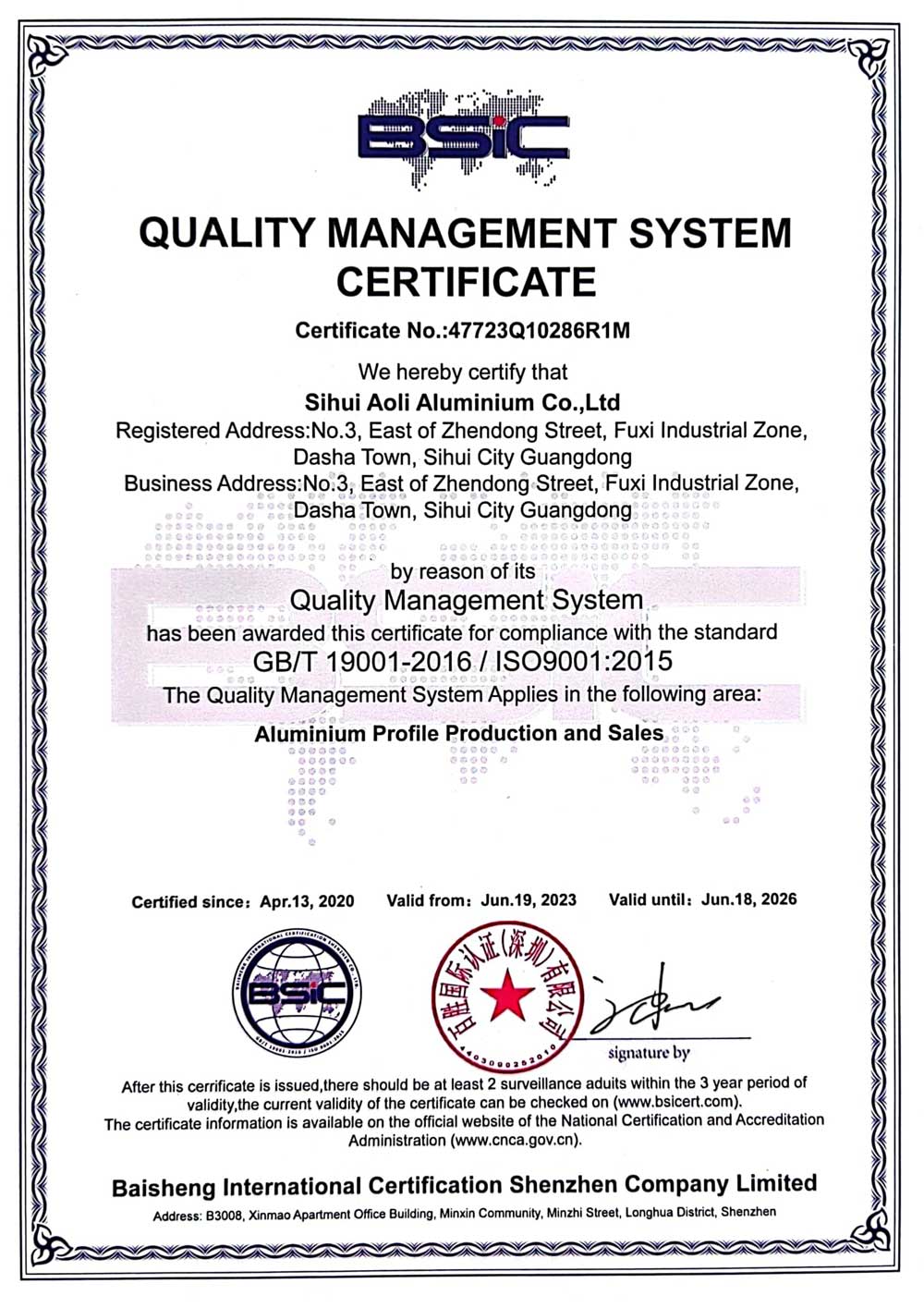
ISO Certification 1
Quality Certification 9
Quality Certification 8
Quality Certification 5
Quality Certification 7

Industry Insights & News

Warm Chinese New Year Greetings and Early Order Planning from Aoli aluminum

Warm Chinese New Year Greetings and Early Order Planning

Planning orders ahead of seasonal breaks ensures smooth supply chain operations and timely delivery for global solar projects.

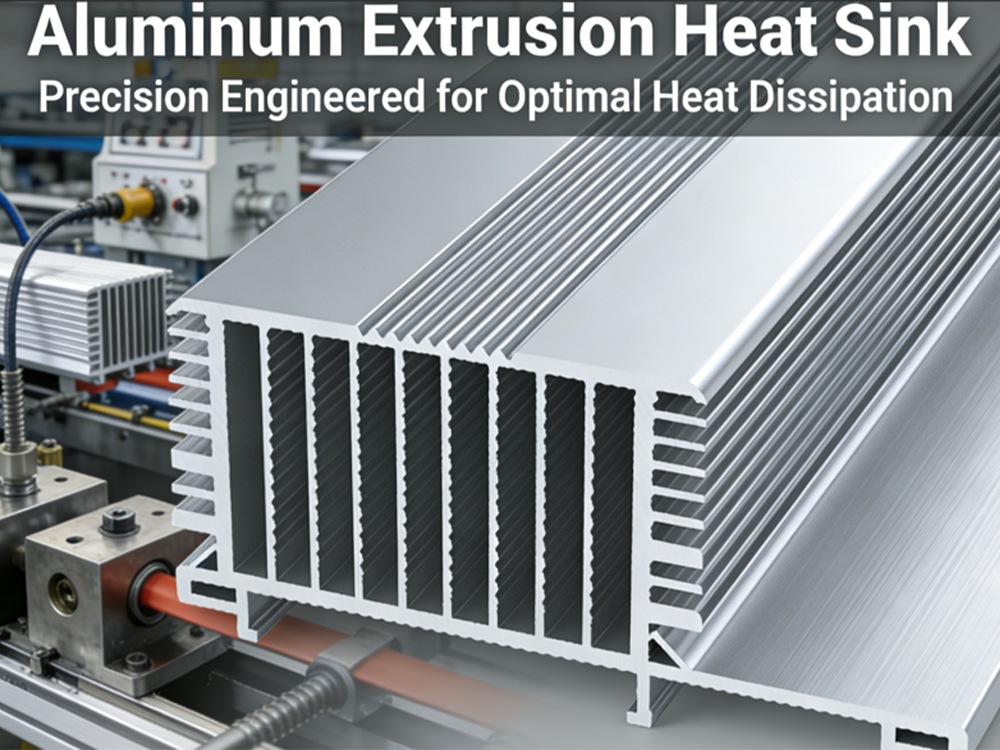
Aluminum Extruded Heat Sinks: Material & Process Excellence

Aluminum Extruded Heat Sinks: Material & Process Excellence

An in-depth look at how extruded heat sinks improve thermal management in heavy-duty solar inverters and battery storage cabinets.

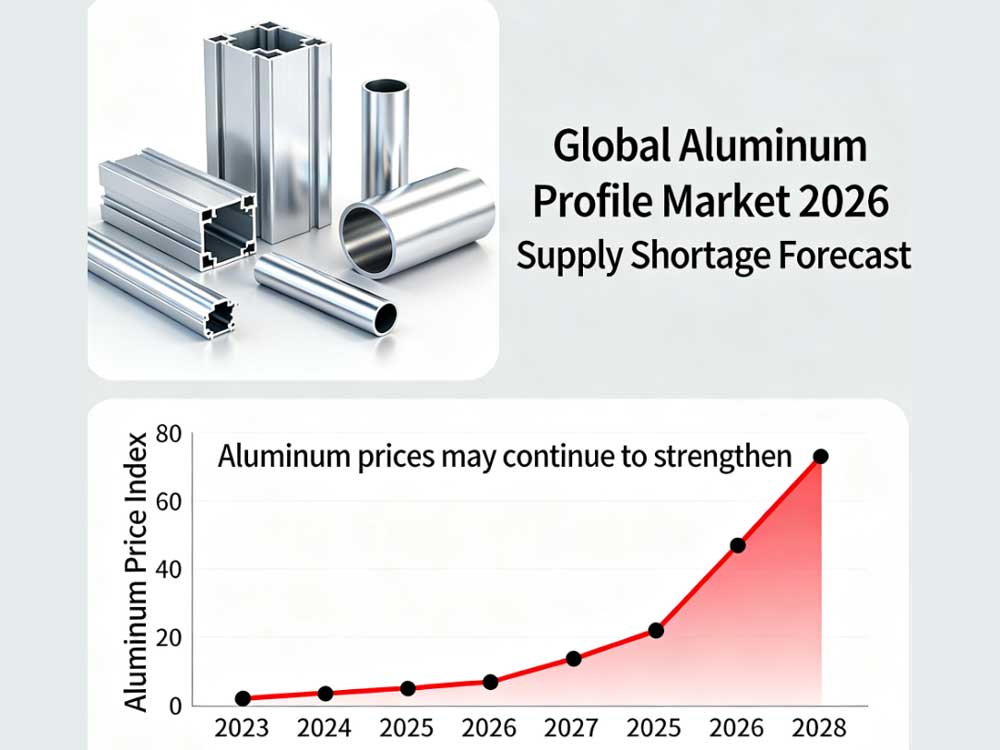
Analysis of Global Aluminum Market Supply and Demand Trends in 2026

Analysis of Global Aluminum Market Supply and Demand Trends

Analyzing key market drivers, metal raw material pricing, and demand forecasts for industrial aluminum profiles in the renewable energy sector.