The Paradigm Shift: Aluminum Extrusions in Modern Automotive Engineering
The global automotive landscape is experiencing an unprecedented structural transition driven by the dual imperatives of rapid electrification (EVs) and aggressive decarbonization targets. As automakers strive to meet stringent corporate average fuel economy (CAFE) standards and Euro 7 tailpipe emissions, lightweighting has transformed from an optional engineering strategy into an essential structural prerequisite. Within this transformative mobility epoch, aluminum extrusion profile for automotive engineering represents the single most versatile, cost-effective, and high-performance metallurgical medium for structural vehicle design.
Unlike traditional stamped sheet steel or monolithic casting assemblies, customized aluminum extrusions allow automotive structural engineers to concentrate material precisely where stress concentrations require reinforcement, while leaving hollow, multi-cavity channels in lower-stress zones. This complex cross-sectional flexibility allows component weight reductions between 30% to 50% compared to high-strength steels, without sacrificing torsional stiffness, impact energy management, or passenger cabin integrity.
Controlled Energy Absorption
Extruded crash boxes and bumper beams engineered from ductile 6xxx alloys collapse progressively in accordion modes during front or rear impacts, dampening kinetic force before it compromises the passenger cell.
Advanced Thermal Dissipation
Micro-channel aluminum extrusions integrate fluid-flow cooling jackets directly into battery pack baseplates, dissipating thermal load during ultra-fast DC charging and preventing thermal runaway.
Multi-Cavity Integration
Extrusion tooling creates intricate internal channels for wire routing, fluid management, fasteners, and snap-fit joints, replacing multiple stamped components with a single consolidated profile.
Industrial & Commercial Landscape: 2026-2030 Growth Trajectory
The global automotive aluminum extrusion market is projected to expand at a compound annual growth rate (CAGR) exceeding 8.4% through 2030, driven predominantly by battery electric vehicles (BEVs). In battery-powered platforms, curb weight increases significantly due to massive 400V-800V battery packs, which can add between 400 kg and 750 kg to the vehicle. To offset this mass and preserve targeted driving range (WLTP/EPA standards), tier-1 suppliers and OEM vehicle architects are systematically replacing iron chassis brackets, subframes, roof rails, and body-in-white (BIW) nodes with custom aluminum extrusions.
Furthermore, commercial fleet operators are turning to high-strength extruded profiles for commercial light trucks, delivery vans, and heavy-duty bus superstructures. The non-corrosive properties of 6000-series aluminum alloys significantly reduce lifecycle maintenance costs and eliminate the need for expensive anti-corrosion dipping processes typically required for sheet steel frames.
Critical Automotive Application Scenarios
Modern vehicle engineering deploys aluminum extrusions across every major subsystem. The structural agility of extruded aluminum allows precise wall-thickness optimization, matching localized bending and torsional stresses.
1. EV Battery Enclosures & Bottom Trays
The battery pack serves not only as an energy storage housing but as an integral structural member of the electric vehicle's floor pan. Extruded multi-void side members (rocker rails) absorb severe lateral side-pole collisions, protecting sensitive lithium-ion or solid-state cells from puncturing. Extruded liquid cooling plates with micro-fins offer uniform heat transfer coefficients, keeping cell temperatures within the optimal 20°C to 35°C operating window.
2. Crash Management Systems (CMS)
CMS modules, composed of front bumper cross-beams and longitudinal crash cans, are the first line of defense during vehicular collisions. Utilizing specialized alloys such as 6008, 6082-T6, and 7003, these extrusions deform in a controlled, predictable axial compression wave, converting peak kinetic impact forces into plastic deformation work.
Subframe
Front & Rear Axle Crossmembers
High-yield multi-void extrusions engineered for high fatigue endurance and dynamic road vibrations.
Body Side
Side Sills & Rocker Panels
Internal rib reinforcements preventing cabin intrusion during Euro NCAP side-pole impact evaluations.
Cabin
Instrument Panel (IP) Cross-Car Beams
Single-piece extruded beams providing rigid mounting for steering columns, airbags, and central consoles.
Roof System
Sunroof & Structural Roof Longitudinal Rails
Tight-tolerance curved profiles enabling panoramic panoramic glass integration with high rollover resistance.
Metallurgical Metallurgy: Alloy Selection Matrix for Automotive Engineering
Choosing the correct aluminum alloy chemistry and temper state is crucial for automotive structural reliability. Extrusions must balance mechanical yield strength with elongation percentage, ensuring that the profile does not exhibit brittle fracture under dynamic high-speed strain rates.
| Alloy Series & Temper |
Tensile Strength (MPa) |
Yield Strength (MPa) |
Elongation (%) |
Primary Automotive Application Scenarios |
| EN AW-6060 / 6063-T6 |
215 - 245 |
160 - 200 |
10 - 14% |
Interior cockpit trim, decorative consoles, roof racks, HVAC conduits |
| EN AW-6005A / 6082-T6 |
270 - 310 |
225 - 260 |
8 - 12% |
Chassis subframes, suspension link arms, battery tray cross-members, IP beams |
| EN AW-6082-T4 / High Crash |
205 - 240 |
110 - 150 |
18 - 25% |
Crash management systems (CMS), front crush cans, deformable bumper brackets |
| EN AW-7003 / 7020-T6 |
350 - 410 |
290 - 350 |
10 - 15% |
Heavy-duty bumper beams, side impact intrusion beams, rollover protection bars |
Precision CNC Machining, Bending & Automated Surface Finishing
Automotive engineering applications demand tight dimensional tolerances, often within ±0.05 mm across multi-axis coordinate planes. Raw extruded lineal bars undergo downstream manufacturing processes inside temperature-controlled cleanrooms:
-
3D Multi-Radius Stretch Bending: Preserves cross-sectional cavity integrity without buckling or rippling the outer aesthetic surfaces for roof arches and side sill curvatures.
-
Multi-Axis High-Speed CNC Milling: High-precision milling of mounting points, drainage ports, sensor brackets, and robotic assembly indexing holes.
-
Friction Stir Welding (FSW) & Laser Welding: Creates hermetically sealed, leak-proof battery tray cooling plates capable of withstanding 5-bar glycol coolant pressures without porosity defects.
-
Anodizing & Automated Electrophoretic Coating: Provides 1,000+ hours of neutral salt spray (ASTM B117) corrosion resistance against harsh road salts and environmental humidity.
Frequently Asked Questions (FAQ)
How does aluminum extrusion compare to gigacasting in electric vehicle manufacturing?
While gigacasting consolidates large structural floor panels, aluminum extrusions remain irreplaceable for longitudinal rails, side sills, and battery pack internal modules. Extrusions offer significantly superior tensile ductility (up to 20% elongation compared to 5-8% for high-pressure die casting), which is mandatory for absorbing energy during severe crash events without catastrophic brittle cracking. Leading EV manufacturers utilize a hybrid architecture: gigacastings for complex suspension shock towers and multi-cavity extrusions for perimeter safety cages.
What quality certifications are mandatory for automotive extrusion profiles?
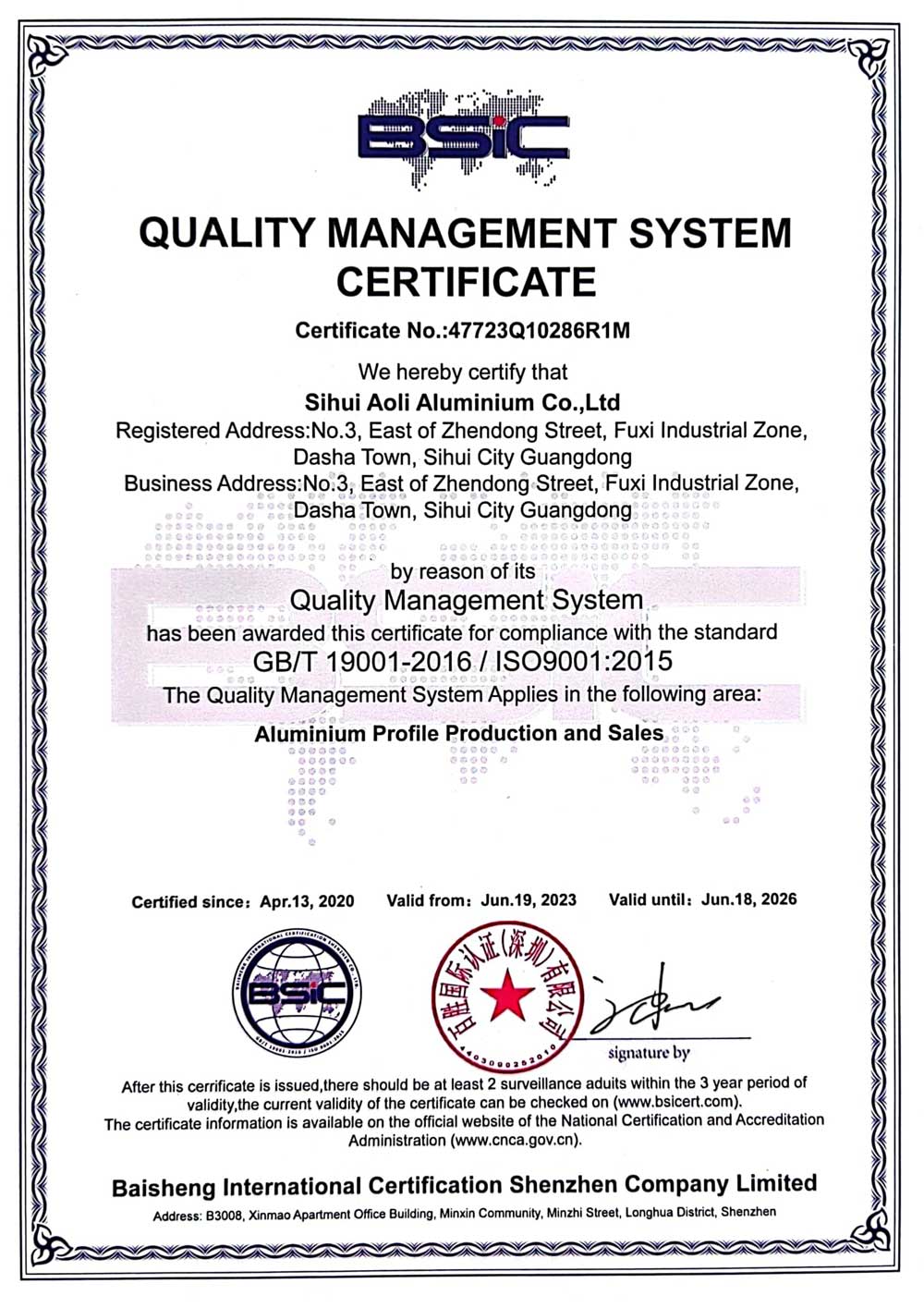
Automotive extrusion manufacturers must comply with IATF 16949:2016 automotive quality management systems, ISO 9001, and ISO 14001 environmental frameworks. Material tracking, PPAP Level 3 documentation, and Non-Destructive Testing (NDT) such as ultrasonic flaw detection are standard requirements for safety-critical components.

 Contact WhatsApp
 Contact Phone
 Contact Email
 Wechat+8618029386470
 Whatsapp