inquiry
Leave Your Message
Next-Gen Clean Energy Infrastructure

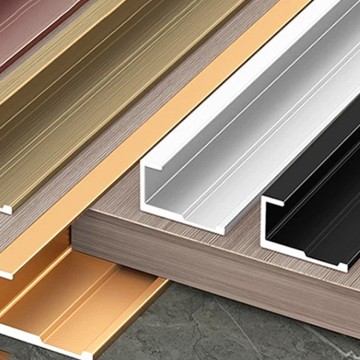
Aluminium Profile For Solar Energy Systems

Precision-engineered, high-strength structural aluminum extrusion solutions tailored for utility-scale photovoltaic mounting, rooftop solar framing, floating solar systems, and tracker mechanisms.

17+
Years Industry Experience
100,000+
Annual Capacity (Tons)
60+
Global Export Destinations
30%
Annual Sustainable Growth
Commercial Insight & Engineering Landscape

The Global Role of Aluminium Profiles in Solar Photovoltaic Systems

As the international transition to zero-carbon energy accelerates, structural aluminum extrusions represent the fundamental backbone of utility, industrial, and distributed solar installations.

1. The Industrial Evolution and Market Dynamics of Solar Aluminum Profiles

The photovoltaic (PV) industry has undergone a radical transformation over the past decade. With the introduction of high-power bifacial modules, larger 182mm and 210mm silicon wafers, and multi-megawatt utility installations, structural demands on mounting and framing systems have escalated significantly. Aluminium profiles for solar energy systems have replaced traditional galvanized steel across numerous operational environments due to their superior strength-to-weight ratio, intrinsic corrosion passivation, precision recyclability, and ease of automated installation.

From a global market perspective, the demand for solar-grade extruded aluminum is surging at double-digit compound annual growth rates (CAGR). High solar irradiation regions—such as desert microclimates, coastal maritime zones, and high-wind agricultural regions—impose extreme mechanical fatigue and chemical stresses on mounting arrays. Specially formulated aluminum alloys (such as AL6005A-T6 and AL6063-T6) paired with anodic oxidation coatings (up to 20µm–25µm) provide an uncompromising barrier against atmospheric galvanic decay, salt spray corrosion, and wind-induced micro-cracking.

2. Alloy Metallurgy, Mechanical Integrity, and Microstructure Optimization

Engineering high-durability solar mounting racks, mid-clamps, end-clamps, inverter housings, and tracker torque tubes requires strict control of chemical compositions and thermal precipitation treatments. The metallurgical matrix below showcases the technical criteria governing our solar-grade aluminum profile production:

Alloy & Temper Tensile Strength (Rm / MPa) Yield Strength (Rp0.2 / MPa) Elongation (A50 / %) Typical Solar System Application
AL 6005A-T6 ≥ 270 MPa ≥ 225 MPa ≥ 8.5% Heavy-load ground mount beams, high-span cross rails, single-axis tracker brackets
AL 6063-T6 ≥ 215 MPa ≥ 170 MPa ≥ 10.0% PV module frames, BIPV structural curtain walls, rooftop guide rails, cable channels
AL 6082-T6 ≥ 310 MPa ≥ 260 MPa ≥ 8.0% Severe snow/wind load regions, offshore floating solar substructures, solar carports
AL 6061-T6 ≥ 290 MPa ≥ 240 MPa ≥ 9.0% Heavy commercial BAPV clamps, high-torque solar tracker brackets, inverter chassis

3. Deep-Dive Solar Application Scenarios

Utility Solar Ground Mounting

Utility-Scale Ground Mounts

Engineered for massive open-field PV power stations. Extruded aluminum rails and purlins optimize structural weight by 45% compared to structural steel, drastically reducing site foundation costs, logistics freight, and manual labor during rapid field deployment.

BIPV & Rooftop Solar Framing

BIPV & Rooftop Systems

Building-Integrated Photovoltaics (BIPV) and commercial rooftop installations demand seamless thermal insulation, waterproofing, and structural aesthetic elegance. Our multi-chamber extruded profiles deliver superior load-bearing capacity with integrated drainage tracks.

Floating Solar & Marine PV Systems

Floating PV & Offshore Solar

Water-based floating PV setups encounter continuous humidity, biological exposure, and cyclic hydrodynamic wave forces. Specialized anodized layers (AA20/AA25) ensure zero degradation over a 25-to-30-year operational lifecycle without structural pitting.

4. Comprehensive Thermal, Mechanical, and Lifecycle Engineering Advantages

Why do tier-1 EPC contractors, solar project developers, and system integrators mandate aluminum profiles? The rationale spans critical operational variables:

  • Dynamic Wind & Snow Load Endurance: Finite Element Analysis (FEA) optimized cross-sectional designs withstand wind speeds exceeding 60 m/s and ground snow loads over 1.4 kN/m².
  • Thermal Expansion Compatibility: Aluminum exhibits a thermal expansion coefficient harmonized with silicon photovoltaic laminates, preventing glass micro-cracking and backsheet delamination under diurnal temperature variations (-40°C to +85°C).
  • Low-Carbon Green Footprint & Circularity: Over 95% of industrial solar aluminum is fully recyclable without mechanical degradation, meeting strict European CBAM (Carbon Border Adjustment Mechanism) criteria and global ESG investment mandates.
  • Precision CNC Processing & Fast On-Site Assembly: Custom pre-punched holes, slotting channels (T-slots), and click-in snap-fit connections reduce on-site assembly time by upwards of 35%, lowering overall Balance of System (BOS) capital expenditures.
Extrusion Manufacturing Capabilities

Comprehensive Industrial & Architectural Systems

Advanced extrusion capabilities spanning solar structural frames, intelligent building profiles, thermal break facades, and high-power electronics thermal radiators.

Building & Solar Curtain Wall Profiles

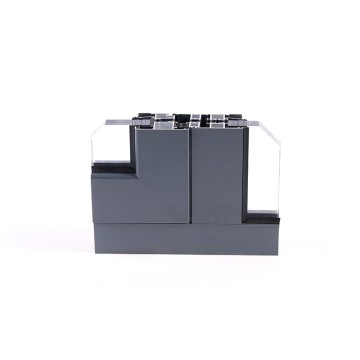
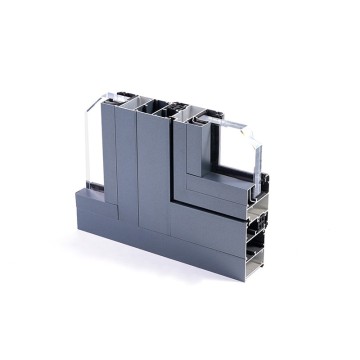
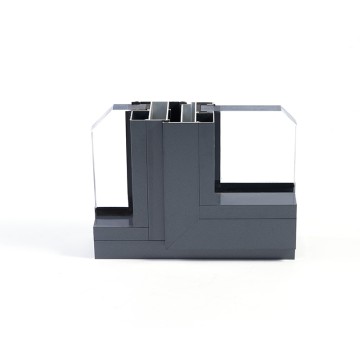
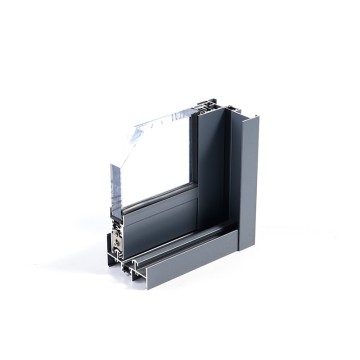
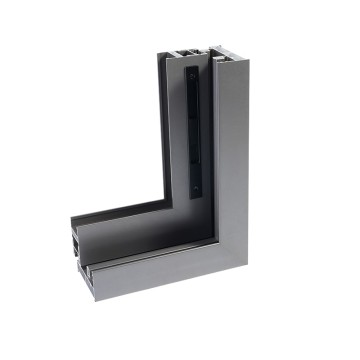
Customized Thermal Break Casement Window Aluminum Profile for Solar Architecture
Customized Thermal Break Casement Window Aluminum Profile
OEM Supported Aluminum Casement Window Profile for BIPV
OEM Supported Aluminum Casement Window Profile
Modern Design Casement Window Aluminum Extrusion Profile
Aluminum Window Frame: For Residential/Commercial Solar Integrated Buildings
Aluminum Window Frame for Residential & Commercial Solar Facades
Premium Sliding Door Aluminum Profiles – Energy-Efficient Customizable & Durable
Premium Sliding Door Energy-Efficient Aluminum Profiles
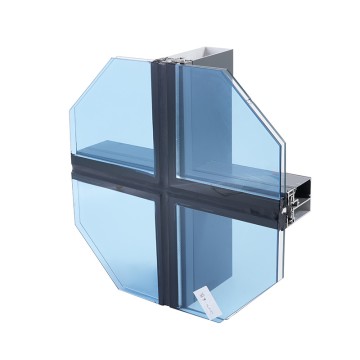
Customized Aluminum Profile for Frameless Curtain Wall and BIPV Systems
Customized Aluminum Profile for Frameless BIPV Curtain Wall
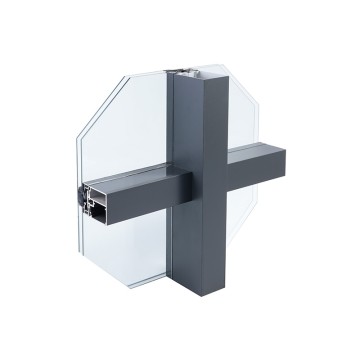
Aluminum Profile for Glass Curtain Wall With Invisible Frame
Aluminum Profile for Solar Glass Wall with Invisible Framing
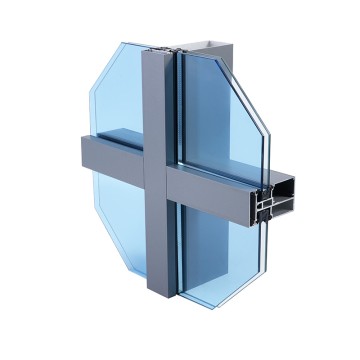
Aluminum Profile for Curtain Wall With visible frame
Heavy Structural Profile for Visible Frame Solar Curtain Walls

Industrial Structural & Solar Power Conversion Extrusions

Aluminum Profile For EV Heat Sink & Solar Inverter Cooling
High-Performance Aluminum Profile for Inverter Heat Sink
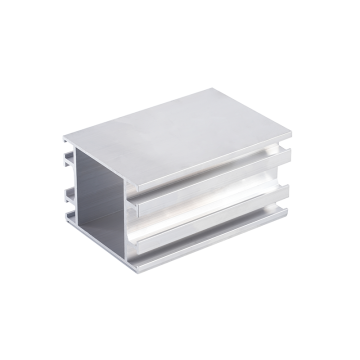
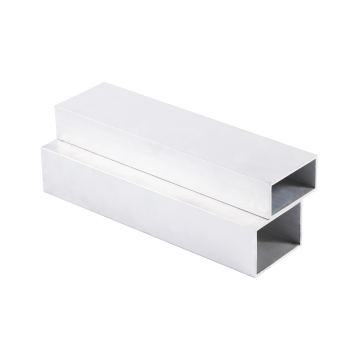
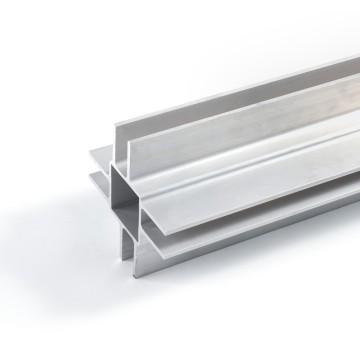
Double-Cavity Aluminum Profile for Industrial Framing & Guards
Double-Cavity Heavy Solar Racking & Enclosure Profile
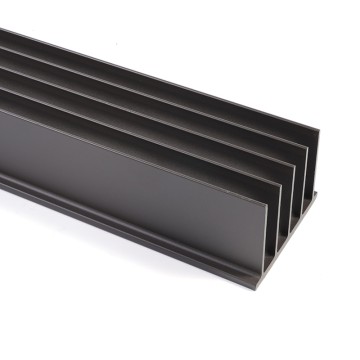
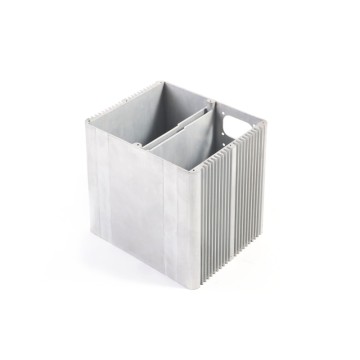
High-Efficiency Heat Sink Aluminum Profiles for Solar Electronics
High-Efficiency Thermal Heat Sink Profiles for Solar Electronics
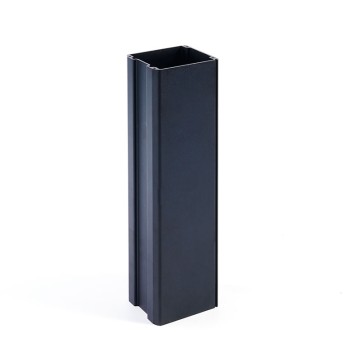
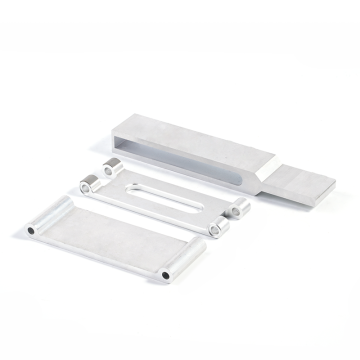
Precision Aluminum Stand for Solar Energy Control Devices
Precision Aluminum Components for PV Monitoring Systems
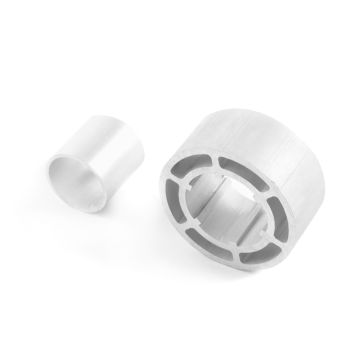
Custom Industrial Aluminum Profile for Mechanical Machining Components
Custom Machined Structural Aluminum for Solar Trackers
Multi-Slot Industrial Aluminum Profile for Equipment Framing & Guards
Multi-Slot Profile for Solar Storage Battery Rack Framing
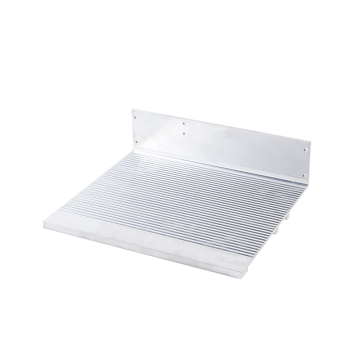
Industrial Aluminum Profile for Electronic Equipment Heat Radiator
Industrial Radiator Profile for High-Voltage Solar Inverters
Lightweight Aluminum Profile for Outdoor Camping Batteries and Solar Storage
Lightweight Aluminum Profile for Mobile Solar Storage Units
Proven Global Deployments

Global Solar Racking & Industrial Collaboration Cases

We specialize in manufacturing precision aluminum alloy profiles for utility clean energy projects, commercial solar canopies, and architectural installations worldwide.

International Quality & Certification

Rigorous Global Standards & Compliance

Every batch of solar aluminum profiles undergoes strict metallurgical spectral analysis, salt spray endurance testing (ASTM B117), tensile testing, and anodization thickness verification.

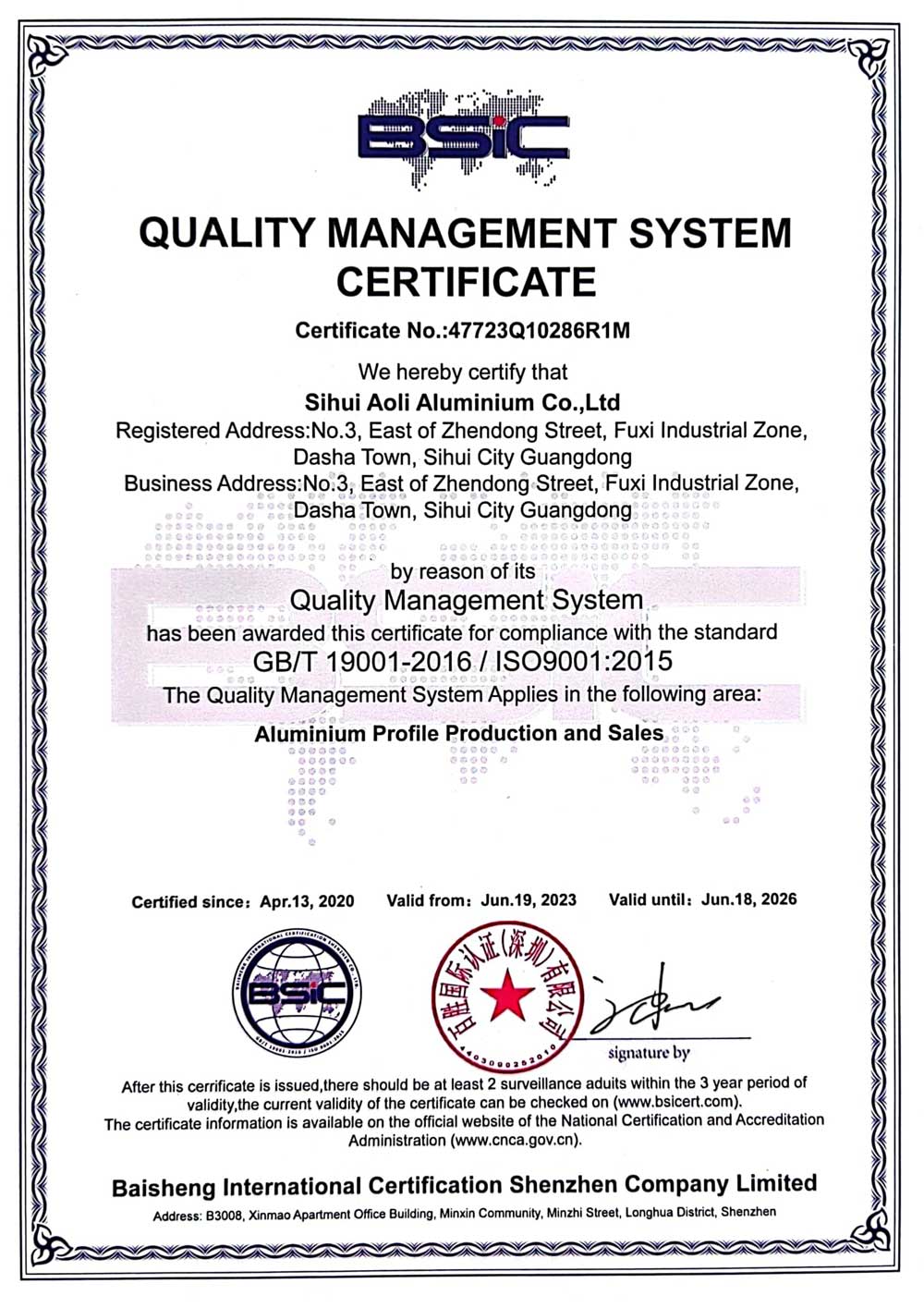
ISO Quality Management Certification for Solar Aluminum Extrusion
CE Environmental Certification for Clean Energy Profiles
Structural Mechanical Testing Certification
Anodizing Corrosion Resistance Certification
International Quality System Qualification
Industry Knowledge & Technological Trends

Latest Solar Energy & Aluminum Market Insights

Stay ahead with in-depth technical analysis of metallurgical advancements, solar supply chain strategies, and global green energy policies.

Global Supply Chain Scheduling for Solar Aluminium Profiles
Global Order Planning & Rapid Supply Scheduling for Solar Aluminum Profiles
Strategic planning for overseas EPC project deliveries, raw material ingot stockpiling, and ensuring stable lead times during peak clean energy deployment seasons.
Read Industry Update →
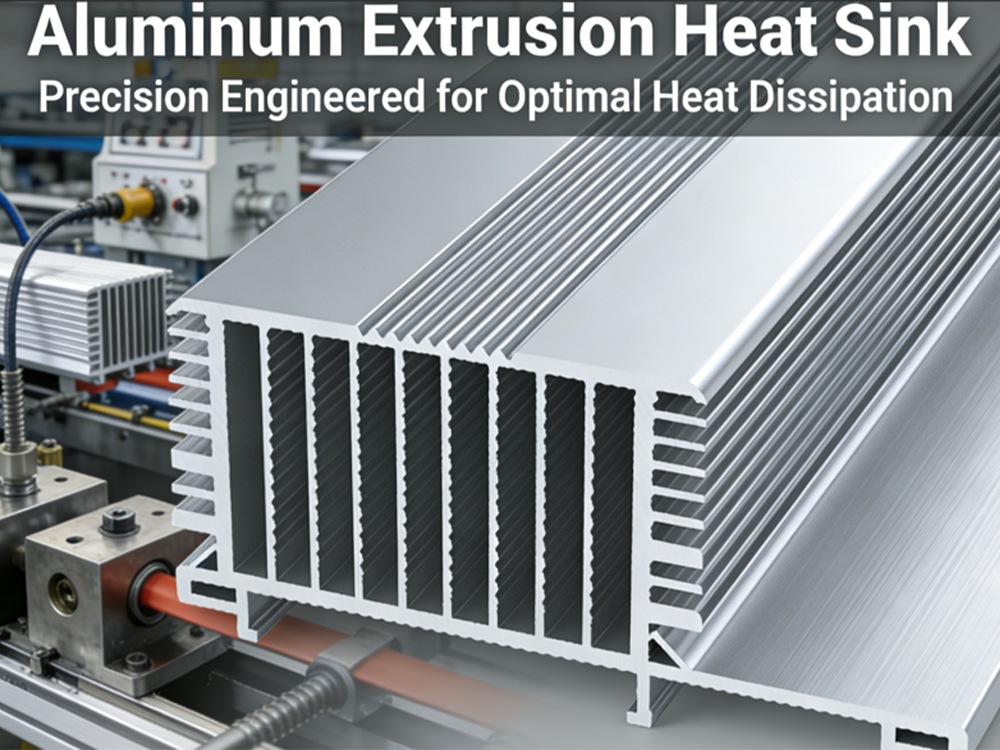
Aluminum Extruded Heat Sinks: Material & Process Excellence in Solar Inverters
How high-aspect-ratio extrusion technologies boost thermal dissipation efficiency in central string inverters and energy storage power conversion systems (PCS).
Read Technical Analysis →
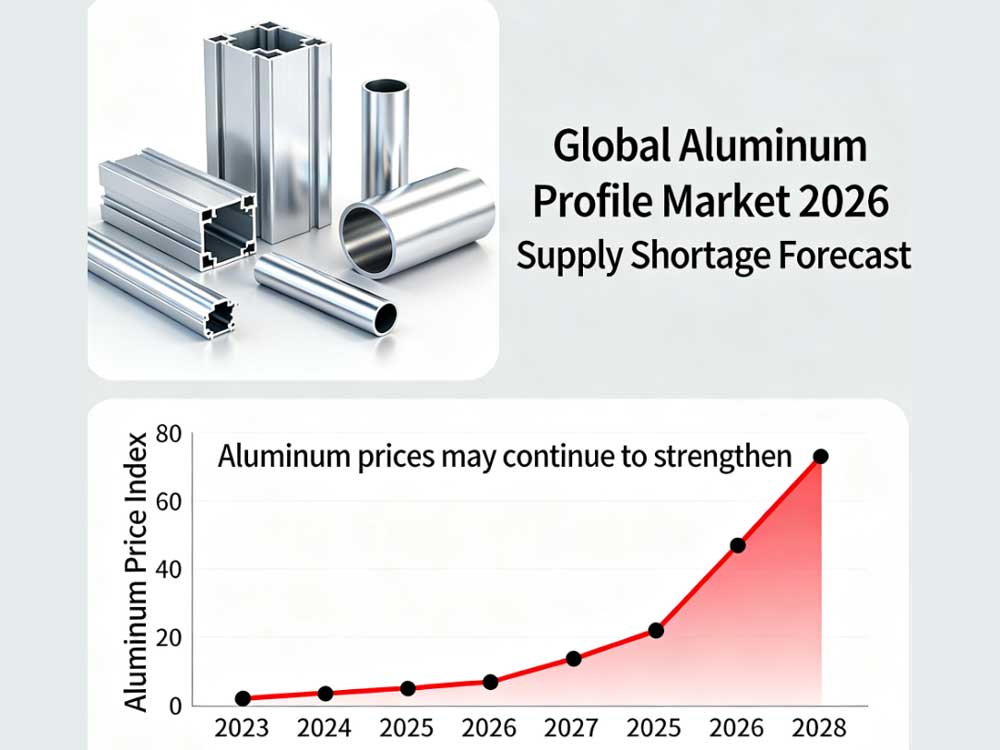
Analysis of Global Aluminum Market Supply and Demand Trends in Solar Industry
Analysis of Global Aluminum Market Supply & Demand Trends in Clean Energy
A comprehensive macroeconomic forecast evaluating recycled low-carbon bauxite, decarbonized smelting, and soaring PV frame demands through 2030.
Read Market Report →
Technical FAQ

Frequently Asked Questions About Solar Aluminium Profiles

Key technical and commercial considerations for solar mounting structural profiles.

Why is 6005A-T6 preferred over 6063-T6 for solar mounting structural rails?
While AL6063-T6 provides excellent surface finish and ductility for solar module frames, AL6005A-T6 delivers significantly higher yield strength (≥225 MPa vs ≥170 MPa) and tensile performance (≥270 MPa). This higher structural capacity allows larger span distances between roof attachments or ground piers, reducing total installation hardware and mounting costs.
How does anodic coating thickness protect solar profiles in coastal and desert environments?
Anodic oxidation chemically builds an aluminum oxide (Al2O3) layer on the extrusion surface. Standard applications utilize 10µm–15µm (AA10/AA15), while harsh maritime coastal zones, chemical industrial regions, and high-salinity desert environments mandate 20µm–25µm (AA20/AA25) thickness to guarantee over 25 years of corrosion-free performance under ASTM B117 salt spray standards.
Can aluminum solar profiles be customized for robotic automated assembly lines?
Yes. We provide precision CNC machining, pre-punching, slot-milling, chamfering, and tightly controlled dimensional tolerances (±0.15mm) to support robotic framing and rapid automated clamp-locking mechanisms on modern PV farm installation sites.
What are the lifecycle carbon advantages of aluminum vs. galvanized steel in solar racking?
Aluminum extrusions are 100% infinitely recyclable with only 5% of the original energy required for remelting. Furthermore, aluminum is approximately one-third the weight of steel, drastically reducing transportation emissions, eliminating on-site rust maintenance, and offering a high end-of-life residual scrap value.