inquiry
Leave Your Message

Aluminium Profile Extrusion Factory & Manufacturers in Japan

Leading the Future of Aluminum Innovation in Japanese Industrial Excellence

Aluminum Profile Extrusion Industry in Japan: Market Overview

Japan's aluminum profile extrusion industry stands as a cornerstone of the nation's manufacturing excellence, renowned for precision engineering and technological innovation. The Japanese market for aluminum extrusion has experienced significant growth, driven by robust demand from automotive, construction, electronics, and renewable energy sectors. With a market size exceeding ¥800 billion annually, Japan represents one of the most sophisticated aluminum profile markets in Asia-Pacific.

The country's commitment to sustainable manufacturing and energy efficiency has positioned aluminum extrusion as a critical component in achieving national carbon neutrality goals by 2050. Japanese manufacturers leverage advanced extrusion technologies, including hot and cold extrusion processes, to produce high-precision profiles that meet stringent quality standards required by industries such as Shinkansen rail systems, automotive manufacturing, and architectural applications.

Key Industry Characteristics in Japan

Japanese aluminum profile manufacturers distinguish themselves through several unique characteristics: exceptional quality control systems, integration of Industry 4.0 technologies, emphasis on lightweight yet durable designs, and commitment to circular economy principles through aluminum recycling initiatives. Major industrial clusters are located in Osaka, Nagoya, and Tokyo metropolitan areas, where proximity to end-users enables rapid prototyping and just-in-time delivery systems.

Market Statistics 2024-2025

Annual Production Capacity: Over 1.2 million tons of aluminum profiles

Export Value: Approximately ¥250 billion to global markets

Technology Investment: 15% annual increase in automation and AI integration

Sustainability Focus: 85% recycled aluminum content in production processes

Industry Development Trends in Japanese Market

1. Electric Vehicle Revolution

Japan's automotive industry is undergoing a massive transformation toward electric vehicles (EVs), creating unprecedented demand for lightweight aluminum profiles. Major manufacturers like Toyota, Nissan, and Honda are increasingly incorporating aluminum extrusions in battery enclosures, structural components, and thermal management systems. The EV battery case market alone is projected to grow at a CAGR of 28% through 2030, with aluminum profiles playing a crucial role in weight reduction and safety enhancement.

2. Smart Building and Construction

Tokyo's skyline continues evolving with energy-efficient smart buildings that extensively utilize thermal break aluminum window profiles and curtain wall systems. The 2025 Building Energy Efficiency Standards mandate has accelerated adoption of high-performance aluminum profiles in both residential and commercial construction. Osaka and Yokohama are witnessing similar trends, with architects specifying custom aluminum profiles for earthquake-resistant structures that combine aesthetic appeal with functional excellence.

3. Industrial Automation and Robotics

Japan's leadership in robotics and factory automation drives demand for precision industrial aluminum profiles used in machine frames, conveyor systems, and cleanroom applications. The integration of IoT sensors and smart manufacturing systems requires aluminum profiles with integrated cable management and modular connectivity features. Companies in Nagoya's industrial corridor are pioneering the use of hexagonal and multi-cavity aluminum profiles for next-generation production equipment.
4. Renewable Energy Infrastructure

Solar panel mounting systems and wind turbine components increasingly utilize corrosion-resistant aluminum profiles designed for Japan's diverse climate conditions. Coastal installations particularly benefit from marine-grade aluminum extrusions with enhanced surface treatments. The government's renewable energy targets are driving innovation in lightweight, durable aluminum profile solutions for both ground-mounted and rooftop solar installations.

Automotive Innovation

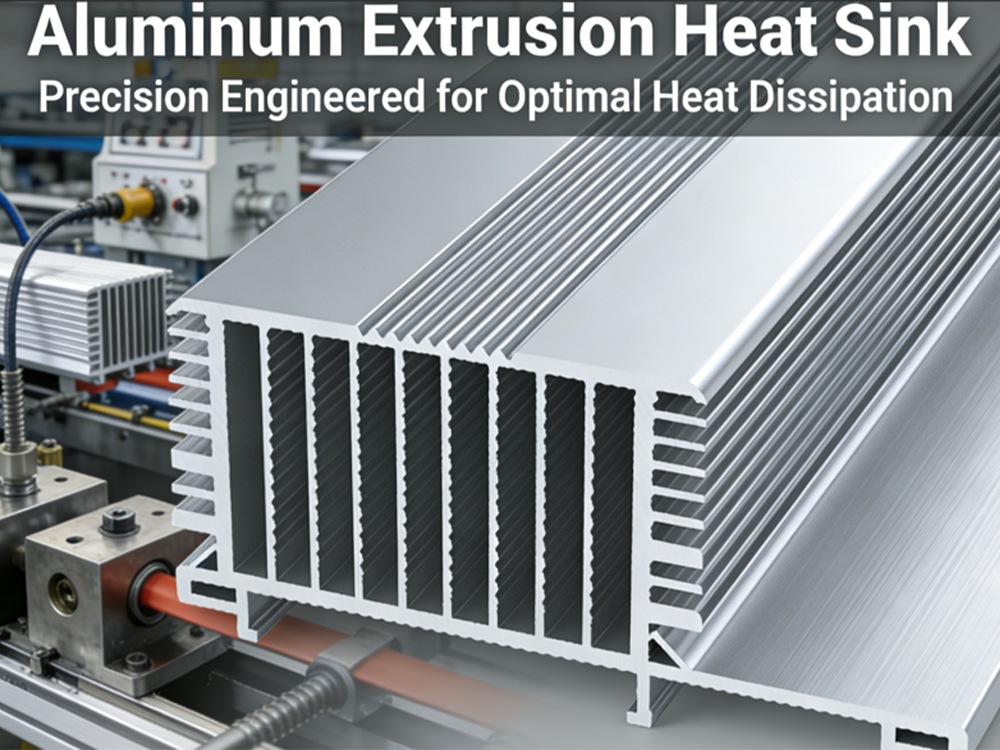
EV components, heat sinks, battery enclosures for Toyota, Honda, Nissan production lines

Construction Excellence

Thermal break windows, curtain walls for Tokyo, Osaka, Kyoto architectural projects

Industrial Precision

Machine frames, automation systems for Nagoya manufacturing facilities

Green Energy

Solar mounting systems, wind turbine components across Japanese prefectures

Localized Applications in Japanese Market

Transportation Infrastructure

Japan's world-renowned Shinkansen bullet train system extensively utilizes custom aluminum profiles in interior paneling, luggage racks, and structural components. The latest N700S series incorporates advanced aluminum extrusions that reduce vehicle weight by 15% while maintaining rigorous safety standards. Metro systems in Tokyo, Osaka, and Nagoya similarly depend on fire-resistant, lightweight aluminum profiles for station architecture and rolling stock components.

Electronics and Semiconductor Manufacturing

Japanese electronics giants require ultra-precision aluminum heat sinks and enclosures for consumer electronics, industrial equipment, and semiconductor fabrication tools. The profiles must meet exacting flatness tolerances (±0.05mm) and surface finish requirements. Specialized anodizing and surface treatments ensure optimal thermal conductivity and electromagnetic shielding properties essential for high-performance electronic applications.

Residential Housing Solutions

Japanese residential construction emphasizes earthquake resistance, thermal efficiency, and space optimization. Aluminum casement windows with thermal break technology are standard in modern homes across Hokkaido to Kyushu. Custom profiles accommodate traditional Japanese design aesthetics while meeting contemporary energy codes. The trend toward compact urban living in Tokyo and Osaka drives demand for slim-profile aluminum window systems that maximize natural light and living space.

Food and Pharmaceutical Industries

Cleanroom applications in pharmaceutical manufacturing and food processing facilities require aluminum profiles with special surface treatments that prevent contamination and facilitate hygiene maintenance. Kyoto and Osaka pharmaceutical clusters specify profiles with antimicrobial coatings and crevice-free designs that comply with GMP standards. These applications demonstrate the versatility of aluminum extrusion technology in meeting highly specialized industry requirements.

Marine and Coastal Applications

Japan's extensive coastline creates unique demands for marine-grade aluminum profiles resistant to salt corrosion. Shipbuilding industries in Hiroshima and Nagasaki utilize specialized aluminum extrusions in vessel superstructures, while coastal construction projects require profiles with enhanced protective coatings. Offshore wind farm developments increasingly specify aluminum components that withstand harsh marine environments while maintaining structural integrity over decades of service life.

Manufacturing Excellence and Quality Standards

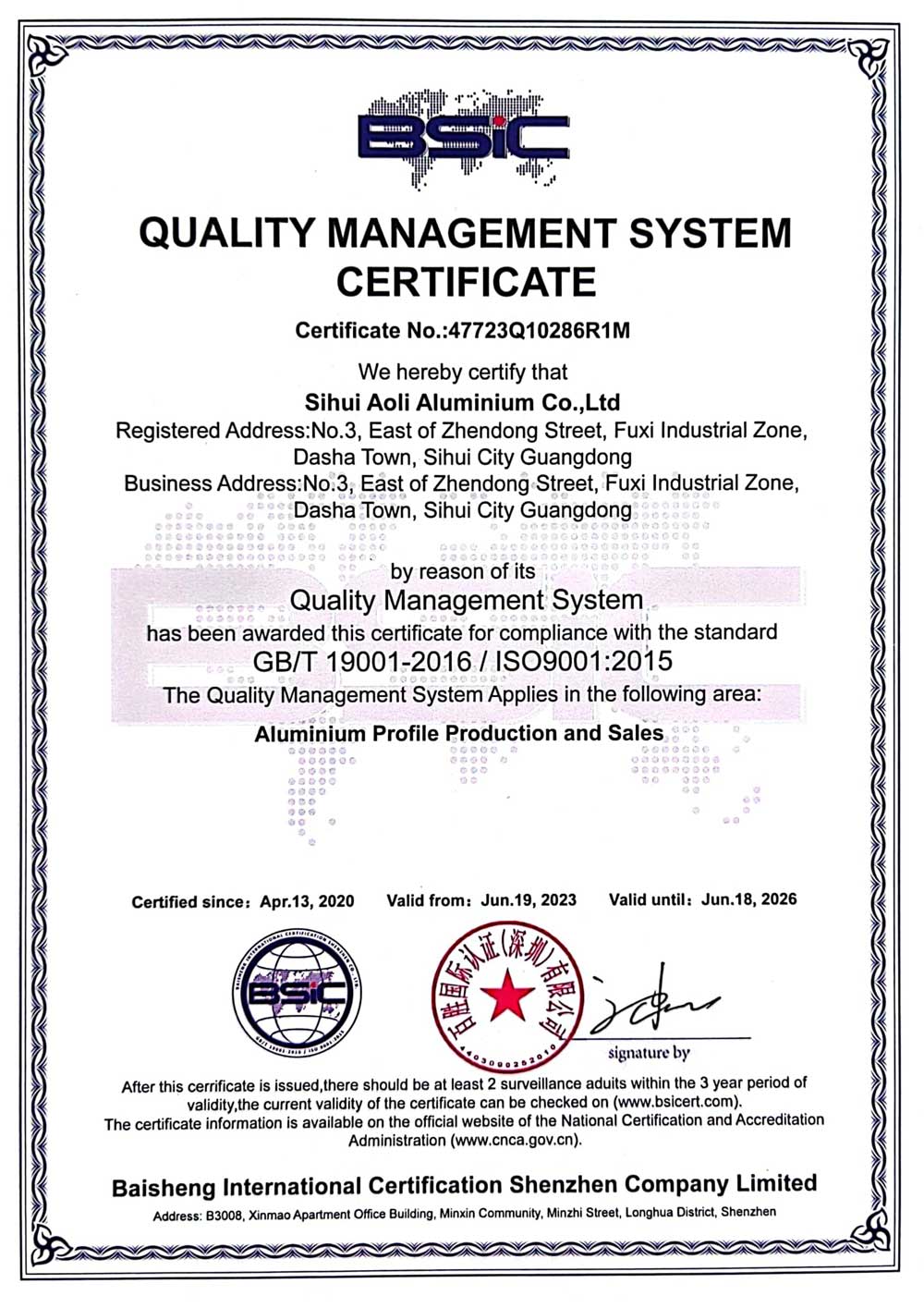
Japanese aluminum profile manufacturers adhere to rigorous quality management systems including JIS (Japanese Industrial Standards), ISO 9001, and industry-specific certifications. The extrusion process typically involves:

Advanced Production Capabilities

Die Design and Engineering: Computer-aided design systems optimize die geometry for complex cross-sections, ensuring dimensional accuracy and surface quality. Japanese die makers are renowned for producing tools capable of 500,000+ extrusion cycles.

Precision Extrusion: State-of-the-art hydraulic presses ranging from 1,000 to 15,000 tons enable production of profiles from simple shapes to intricate multi-cavity designs. Temperature control systems maintain aluminum billets at optimal extrusion temperatures (450-500°C) for consistent material flow.

Surface Treatment Options: Anodizing facilities produce finishes from 5 to 25 microns thickness in various colors. Powder coating lines offer durable, environmentally friendly finishes. Specialized treatments include PVDF coatings for architectural applications and hard anodizing for wear-resistant industrial components.

Quality Assurance Protocols

Every production batch undergoes comprehensive testing including dimensional verification using CMM equipment, tensile strength testing, surface quality inspection, and corrosion resistance evaluation. Traceability systems track materials from aluminum ingot to finished profile, ensuring complete quality documentation for critical applications in automotive and aerospace sectors.

Technical Specifications

Alloy Grades: 6063-T5, 6061-T6, 6005-T5 for structural applications

Tolerance Standards: ±0.1mm to ±0.5mm depending on profile complexity

Surface Finishes: Mill finish, anodized (clear/color), powder coated, wood grain

Length Capabilities: Up to 7 meters standard, custom lengths available

Our Manufacturing Capabilities

  • 17 +
    Industry Experience
  • 100000 +
    Annual Capacity (Tons)
  • 60 +
    Exported Countries
  • 30 %
    Sales Growth Per Year

Future Outlook: 2025-2030

The Japanese aluminum profile extrusion industry is poised for continued growth driven by several macro trends. The government's Green Growth Strategy emphasizes lightweight materials for transportation, creating sustained demand for automotive aluminum profiles. Urban redevelopment projects in major cities will drive architectural aluminum consumption, while the semiconductor industry's expansion requires specialized profiles for manufacturing equipment.

Technological Innovation Roadmap

Industry leaders are investing in AI-powered quality control systems, digital twin technology for process optimization, and advanced alloy development for enhanced performance characteristics. Collaborative research between universities and manufacturers focuses on recycling technologies that maintain aluminum quality through multiple lifecycle iterations, supporting Japan's circular economy objectives.

Market Expansion Opportunities

Japanese aluminum profile expertise positions manufacturers to serve growing Asian markets while maintaining technological leadership. Partnerships with construction firms in Southeast Asia, automotive manufacturers establishing EV production lines, and renewable energy developers create export opportunities. Domestic market growth in eldercare facilities, disaster-resistant housing, and smart city infrastructure ensures robust local demand.

Sustainability Initiatives

Carbon-neutral aluminum production through renewable energy integration, closed-loop recycling systems achieving 95%+ material recovery rates, and development of bio-based surface treatments represent key sustainability focus areas. These initiatives align with corporate ESG commitments and government environmental regulations, positioning Japanese manufacturers as global sustainability leaders.

Product Series for Japanese Market

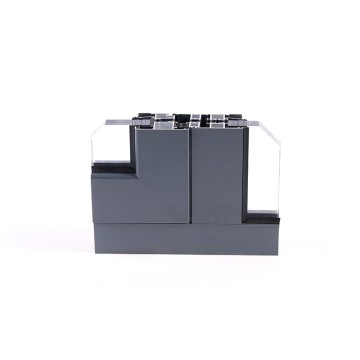
Customized Thermal Break Castment Window Aluminum Proflie

Customized Thermal Break Castmen...

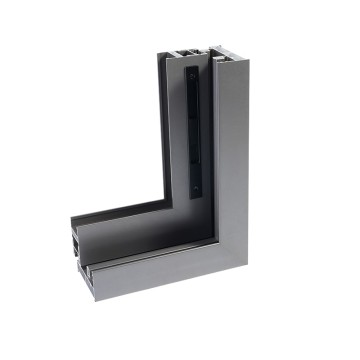
OEM Supported Aluminum Casement Window Profile

OEM Supported Aluminum Casement ...

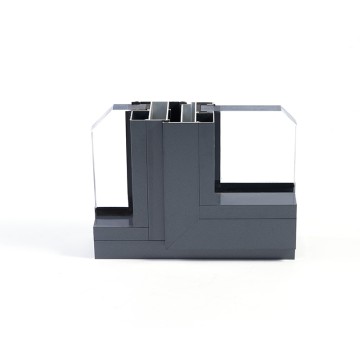
Modern Design  Casement Window Aluminum Extursion Profile

Modern Design Casement Window A...

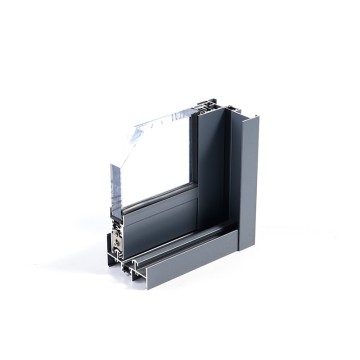
Aluminum Window Frame: For Residential/Commercial Buildings

Aluminum Window Frame: For Resid...

Premium Sliding Door Aluminum Profiles

Premium Sliding Door Aluminum Pr...

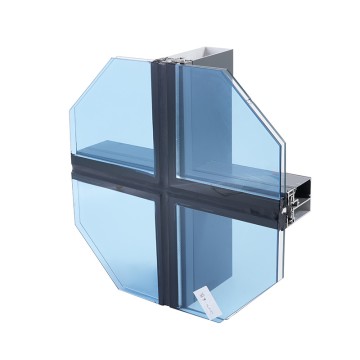
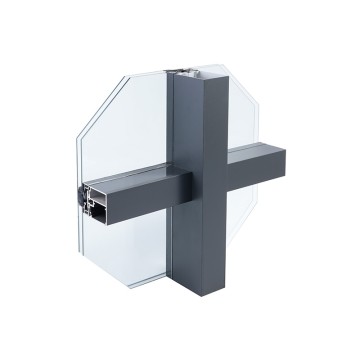
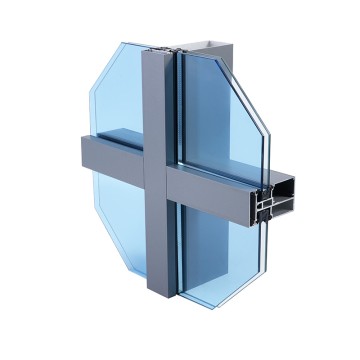
Customized Aluminum Profile for Frameless Curtain Wall

Customized Aluminum Profile for ...

Aluminum Profile for Glass Curtain Wall With Invisible Frame

Aluminum Profile for Glass Curta...

Aluminum Profile for Curtain Wall With visible frame

Aluminum Profile for Curtain Wal...

Aluminum Profile For EV Heat Sink
Double-Cavity Aluminum Profile for Industrial Framing
High-Efficiency Heat Sink Aluminum Profiles for Electronics
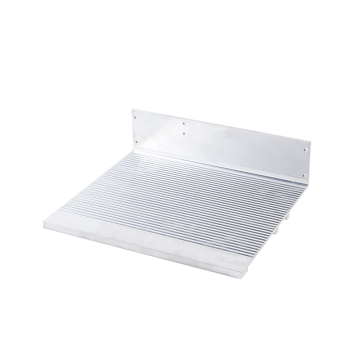
Precision Aluminum Stand for Phone and Laptop
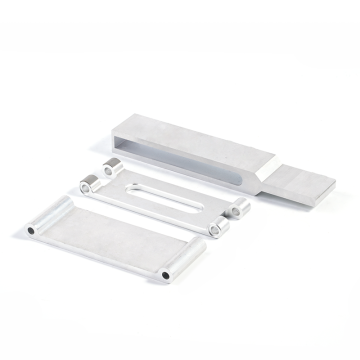
Custom Industrial Aluminum Profile for Mechanical Machining Components
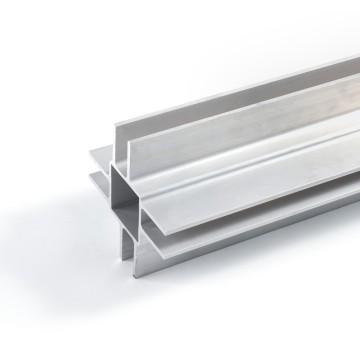
Multi-Slot Industrial Aluminum Profile
Industrial Aluminum Profile for Electronic Equipment Heat Radiator
Lightweight Aluminum Profile for Outdoor Camping Batteries

Collaboration Cases in Japan

We specialize in manufacturing of aluminum alloy profiles for construction, decoration, and industry across Japanese markets including Tokyo, Osaka, Nagoya, and Kyoto metropolitan areas.

Tokyo Smart Building Project
Osaka Industrial Facility
Nagoya Automotive Components
Kyoto Architectural Excellence
Yokohama Commercial Complex
Sapporo Residential Project
Fukuoka Industrial Park
Hiroshima Marine Application
Kobe Transportation Infrastructure
Sendai Solar Energy Project

Why Choose Our Aluminum Profiles for Japanese Market

JIS Standards Compliance

Full compliance with Japanese Industrial Standards ensuring quality and safety for construction, automotive, and industrial applications throughout Japan.

Precision Engineering

Advanced manufacturing capabilities delivering tight tolerances and superior surface finishes meeting exacting Japanese quality expectations.

Sustainable Solutions

Eco-friendly production processes and high recycled content supporting Japan's carbon neutrality goals and circular economy initiatives.

Certifications & Quality Assurance

ISO 9001 Certificate
Quality Management Certificate
Environmental Certification
Product Safety Certificate
Industry Standards Compliance

Latest Industry News & Insights

  • Industry Greetings and Planning

    Warm Chinese New Year Greetings and Early Order Planning from Aoli Aluminum

    Strategic planning for Japanese market expansion and production scheduling for 2025 projects.

  • Aluminum Extruded Heat Sinks

    Aluminum Extruded Heat Sinks: Material & Process Excellence

    Advanced thermal management solutions for Japanese electronics and EV battery applications.

  • Global Aluminum Market Analysis

    Analysis of Global Aluminum Market Supply and Demand Trends in 2026

    Market insights focusing on Japanese aluminum consumption patterns and future growth projections.